

Subscribe To Our Newsletter!
Subscribe to the newsletter to stay up to date with the latest news and most useful
Newsletter
↑
Back to Top



Product Overview |
|---|
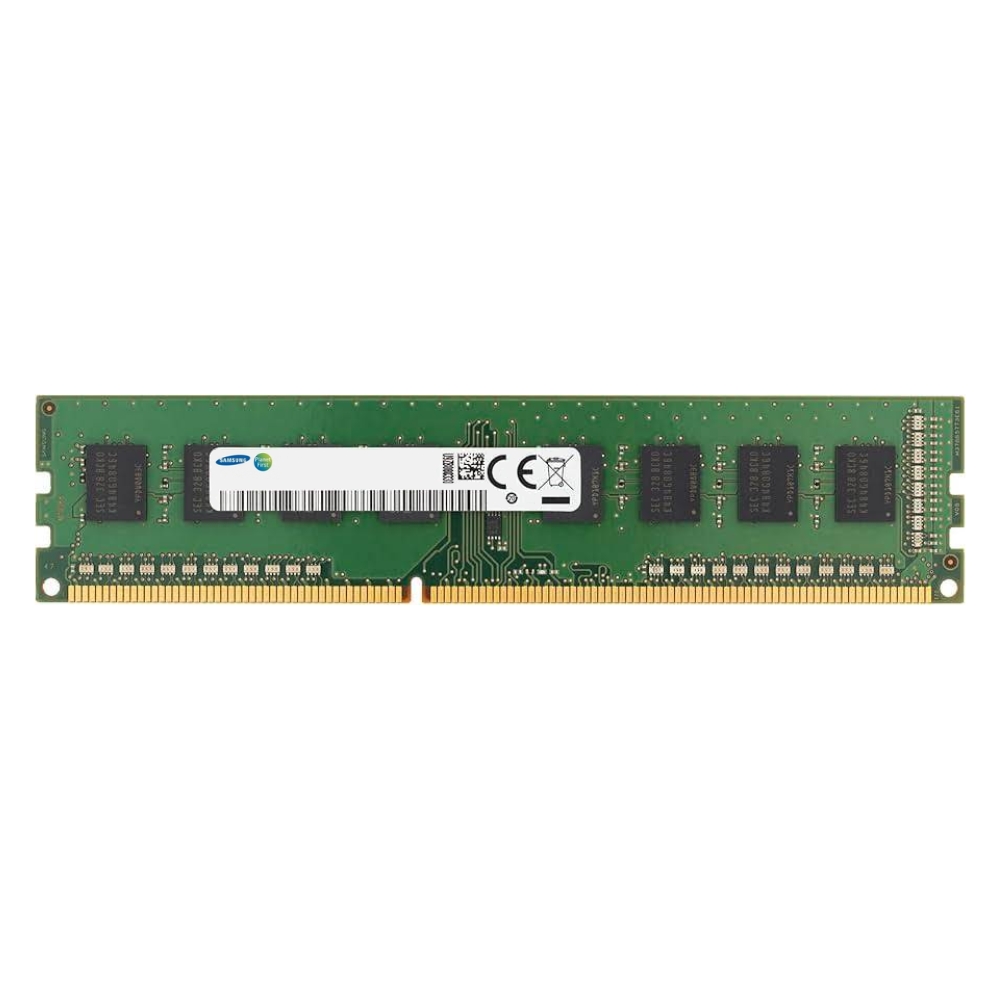
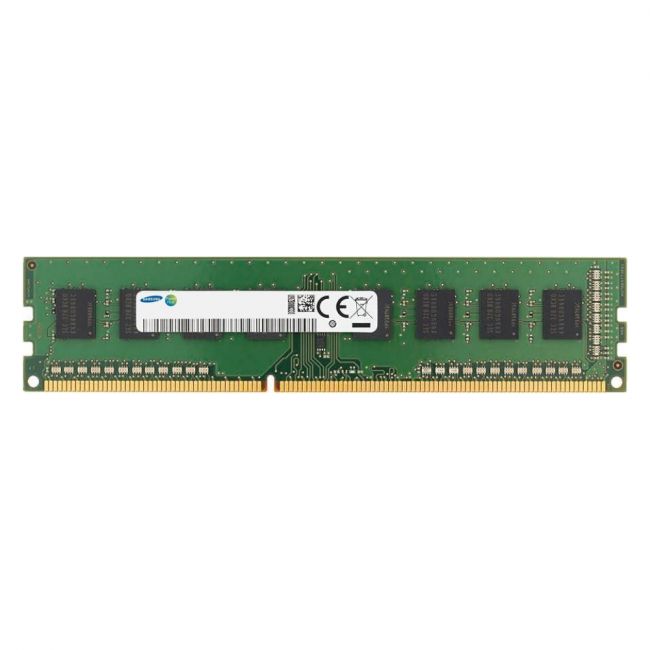
The Samsung M391B5773DH0-YK0 is a 2GB DDR3-1600 ECC UDIMM memory module designed for use in desktop or workstation systems requiring error correction. It features a CAS latency of 11 and supports unbuffered DIMM configurations, providing memory error detection and correction to enhance system stability. |
General Information |
|
|---|---|
| Brand | Samsung |
Technical Information |
|
|---|---|
| Memory Capacity | 2GB |
| Memory Technology | DDR3 |
| Module Type | UDIMM |
| RAM Standard | PC3-12800 |
| Pin Count | 240-Pin |
| Error Correction | ECC |
| Voltage | 1.5V |
Performance |
|
|---|---|
| Bus Speed | 1600 MT/s |
| Bandwidth | 12.8 GB/s |
| Native Speed | 1600 MT/s |
| CAS | CL11 |
Physical Characteristics |
|
|---|---|
| Package | FBGA |
| Weight | 3.00 |
| Condition | Refurbished |
Miscellaneous |
|
|---|---|
| Eco Friendly | Yes |
| Compliance Standards | RoHS, CE |
| Assembly Required | No |
Product Description |
|---|
The Samsung M391B5773DH0-YK0 is a 2GB DDR3-1600 memory module with error-correcting code (ECC) designed to detect and correct common types of data corruption. It operates at a frequency of 1600 MHz with a CAS latency of 11, making it suitable for systems that require stable memory performance. This module is built as an unbuffered DIMM (UDIMM), typically used in desktop or workstation environments where ECC memory support is needed to maintain data integrity. Key Features
This memory module is suited for use in systems where data accuracy is critical, such as workstations or entry-level servers. Its ECC capability helps reduce the risk of data corruption, supporting system stability during memory-intensive tasks. The 2GB capacity and DDR3-1600 speed align with moderate performance requirements and legacy system compatibility. |
Use Cases |
|---|
This Samsung DDR3-1600 2GB ECC UDIMM memory is typically used in desktops or workstations that support ECC memory for improved data integrity. It fits environments where moderate memory capacity is sufficient, and error correction is necessary to maintain system reliability. How It's Used:
In practice, this memory module supports system stability by correcting single-bit errors in memory. It serves environments that prioritize data integrity over large memory capacities, making it suitable for specific professional or specialized computing tasks. |
FAQ's |
|---|
|
 Shipping Options
 International Delivery
Requires a UPS, FedEx, or DHL account. Customers may arrange pickup from our US warehouse.
International Delivery
Requires a UPS, FedEx, or DHL account. Customers may arrange pickup from our US warehouse.
 Payment Methods
We accept Visa, Mastercard, AMEX, Discover, and Wire Transfer.
Payment Methods
We accept Visa, Mastercard, AMEX, Discover, and Wire Transfer.
 Purchase Orders
We process purchase orders for government agencies, enterprises, data centers, and SMBs.
Purchase Orders
We process purchase orders for government agencies, enterprises, data centers, and SMBs.