

Subscribe To Our Newsletter!
Subscribe to the newsletter to stay up to date with the latest news and most useful
Newsletter
↑
Back to Top



Product Overview |
|---|
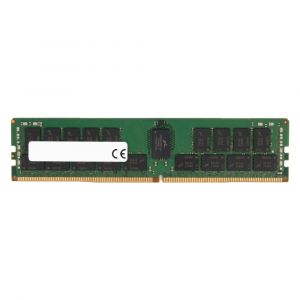
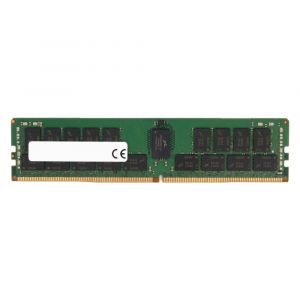
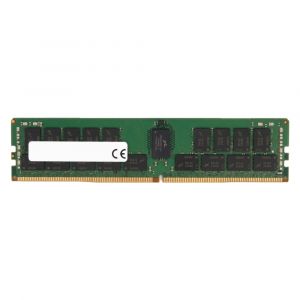
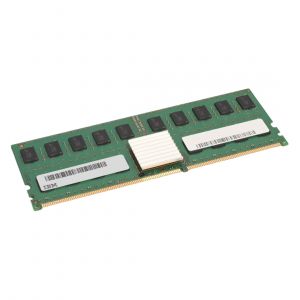
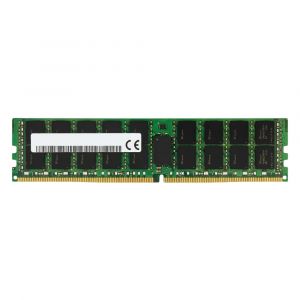
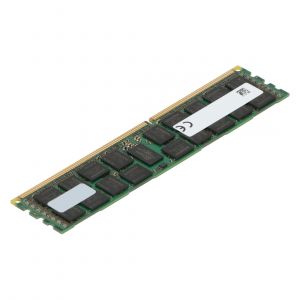
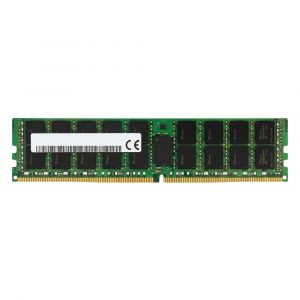
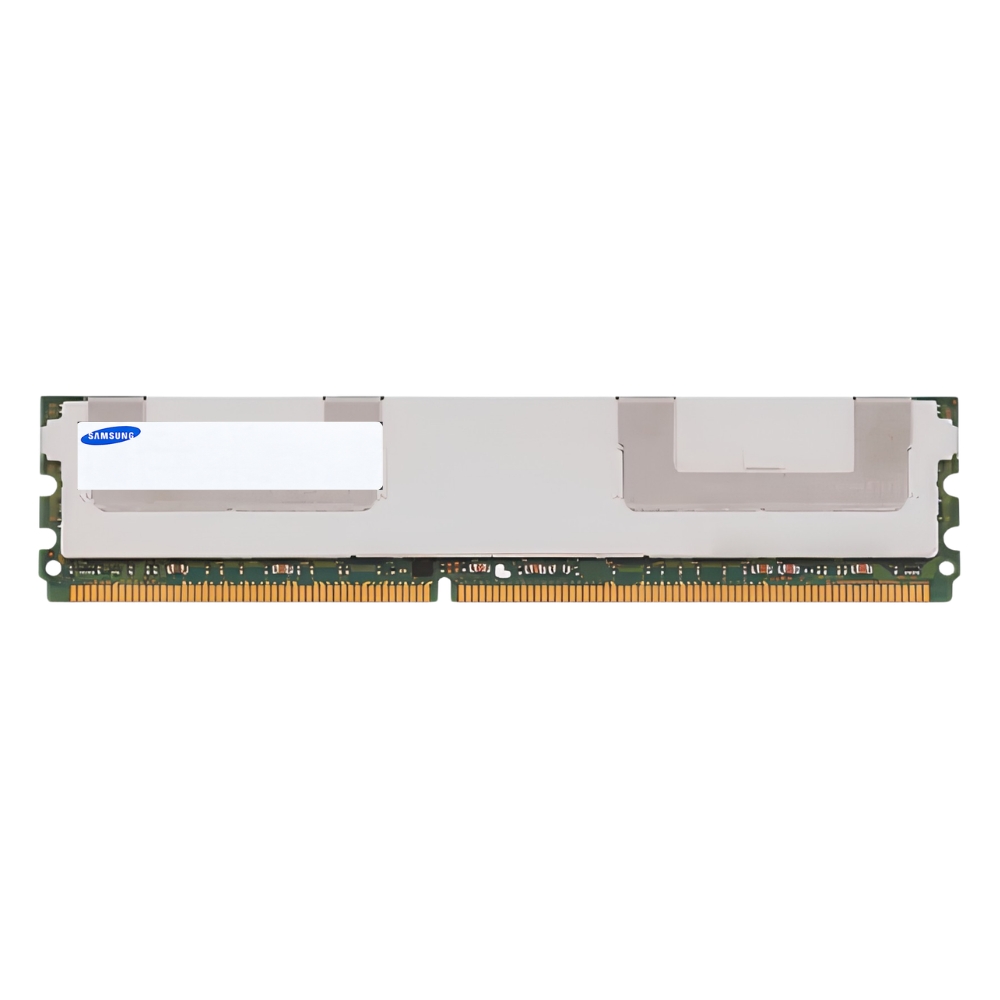
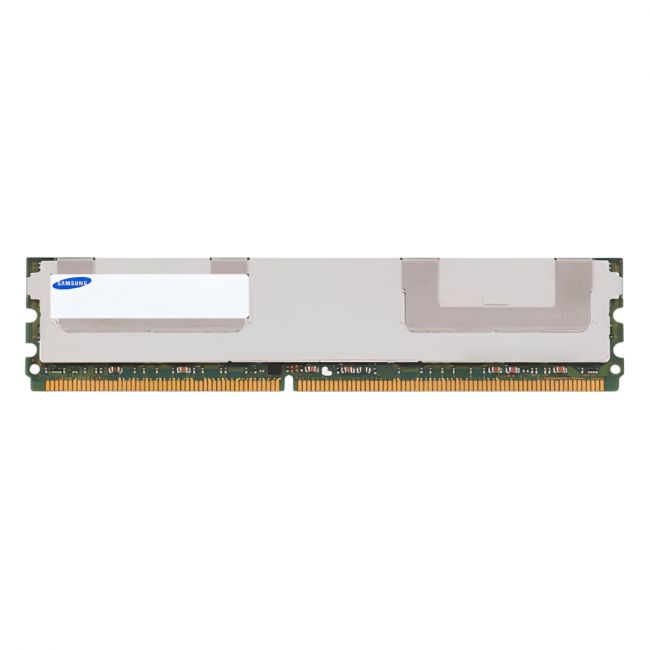
The Samsung M386B4G70DM0 is a 32GB DDR3-1600 ECC Load-Reduced DIMM memory module intended for servers and workstations. It supports ECC for error correction and features LRDIMM technology to allow higher memory densities with reduced load on the memory bus, operating at a data rate of 1600 MHz. |
General Information |
|
|---|---|
| Brand | Samsung |
Technical Information |
|
|---|---|
| Memory Capacity | 32GB |
| Memory Technology | DDR3 |
| Module Type | LRDIMM |
| RAM Standard | PC3-12800 |
| Pin Count | 240-Pin |
| Error Correction | ECC |
| Voltage | 1.5V |
Performance |
|
|---|---|
| Bus Speed | 1600MT/s |
| Bandwidth | 12800 MB/s |
| Native Speed | 1600MHz |
Physical Characteristics |
|
|---|---|
| Weight | 3.00 |
| Condition | Refurbished |
Miscellaneous |
|
|---|---|
| Compliance Standards | RoHS |
| Assembly Required | No |
Product Description |
|---|
The Samsung M386B4G70DM0 is a 32GB DDR3-1600 ECC Load-Reduced DIMM memory module designed for server and workstation environments requiring high memory capacity and error correction. It provides stable performance in systems that support ECC and LRDIMM technology. IT professionals and system administrators use this module to enhance memory capabilities in compatible systems. Key Features
This memory module enables systems to support larger memory configurations while maintaining data correctness through ECC. The LRDIMM design helps optimize electrical loading, making it suitable for servers handling demanding workloads that require reliable memory performance and capacity. |
Use Cases |
|---|
The Samsung 32GB DDR3-1600 ECC LRDIMM module is typically deployed in server and enterprise workstation environments where large memory capacity and data integrity are critical. It benefits IT teams managing virtualization, databases, and compute-intensive applications. How It's Used:
This module plays an important operational role by enabling systems to maintain stability under heavy memory loads and by providing error correction to prevent data corruption in critical applications. |
FAQ's |
|---|
|
 Shipping Options
 International Delivery
Requires a UPS, FedEx, or DHL account. Customers may arrange pickup from our US warehouse.
International Delivery
Requires a UPS, FedEx, or DHL account. Customers may arrange pickup from our US warehouse.
 Payment Methods
We accept Visa, Mastercard, AMEX, Discover, and Wire Transfer.
Payment Methods
We accept Visa, Mastercard, AMEX, Discover, and Wire Transfer.
 Purchase Orders
We process purchase orders for government agencies, enterprises, data centers, and SMBs.
Purchase Orders
We process purchase orders for government agencies, enterprises, data centers, and SMBs.