

Subscribe To Our Newsletter!
Subscribe to the newsletter to stay up to date with the latest news and most useful
Newsletter
↑
Back to Top



Product Overview |
|---|
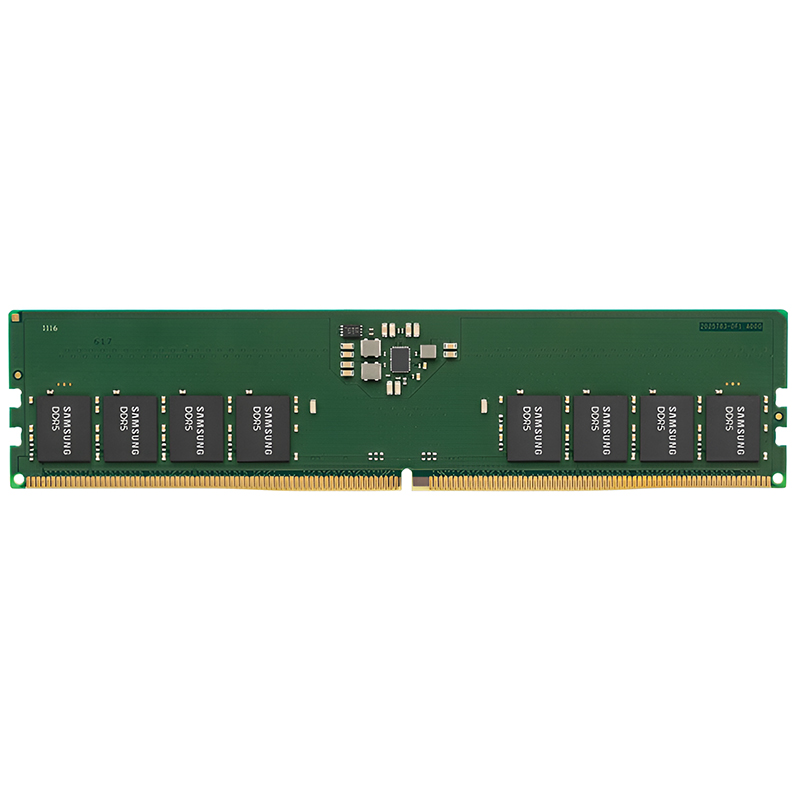
The Samsung 32GB DDR5 4800MT/s RDIMM module is a memory upgrade option for servers and workstations looking to improve speed and capacity. It fits well in systems designed for DDR5 RDIMM memory, offering a non-ECC solution where error correction is unnecessary. This module helps maintain stable and efficient memory performance in professional computing environments. |
General Information |
|
|---|---|
| Brand | Samsung |
| Part Number | M323R4GA3BB0-CQKOL |
Technical Information |
|
|---|---|
| Memory Capacity | 32GB |
| Memory Technology | DDR5 |
| Module Type | RDIMM |
| RAM Standard | PC5-38400 |
| Pin Count | 288-Pin |
| Error Correction | ECC |
| Rank | 2Rx4 |
| Voltage | 1.1V |
Performance |
|
|---|---|
| Bus Speed | 4800 MT/s |
| Bandwidth | 38400 MB/s |
| Native Speed | 4800 MT/s |
Physical Characteristics |
|
|---|---|
| Package | Single Module |
| Weight | 0.50 |
| Condition | Refurbished |
Miscellaneous |
|
|---|---|
| Eco Friendly | Yes |
| Compliance Standards | WEEE, RoHS, CE, FCC, UL |
| Assembly Required | Yes |
Product Description |
|---|
This Samsung 32GB DDR5 4800MT/s RDIMM memory module offers a significant boost in memory capacity and speed, ideal for servers and workstations that demand efficient multitasking and quick data processing. Built for systems supporting DDR5 RDIMM memory, it helps enhance overall system responsiveness and reliability. Often found in data centers and professional computing setups, this module is targeted at IT administrators and professionals who manage servers where Non-ECC memory is acceptable. It’s commonly used to expand memory in systems that require stable performance without the overhead of error correction. Key Features
Typically deployed in office servers, small data centers, and professional workstations, this memory module supports tasks like virtualization, database management, and content creation. Its role is to provide reliable memory expansion where error correction is not a strict requirement, helping keep operational costs balanced with performance needs. |
 Shipping Options
 International Delivery
Requires a UPS, FedEx, or DHL account. Customers may arrange pickup from our US warehouse.
International Delivery
Requires a UPS, FedEx, or DHL account. Customers may arrange pickup from our US warehouse.
 Payment Methods
We accept Visa, Mastercard, AMEX, Discover, and Wire Transfer.
Payment Methods
We accept Visa, Mastercard, AMEX, Discover, and Wire Transfer.
 Purchase Orders
We process purchase orders for government agencies, enterprises, data centers, and SMBs.
Purchase Orders
We process purchase orders for government agencies, enterprises, data centers, and SMBs.