

Subscribe To Our Newsletter!
Subscribe to the newsletter to stay up to date with the latest news and most useful
Newsletter
↑
Back to Top



Product Overview |
|---|
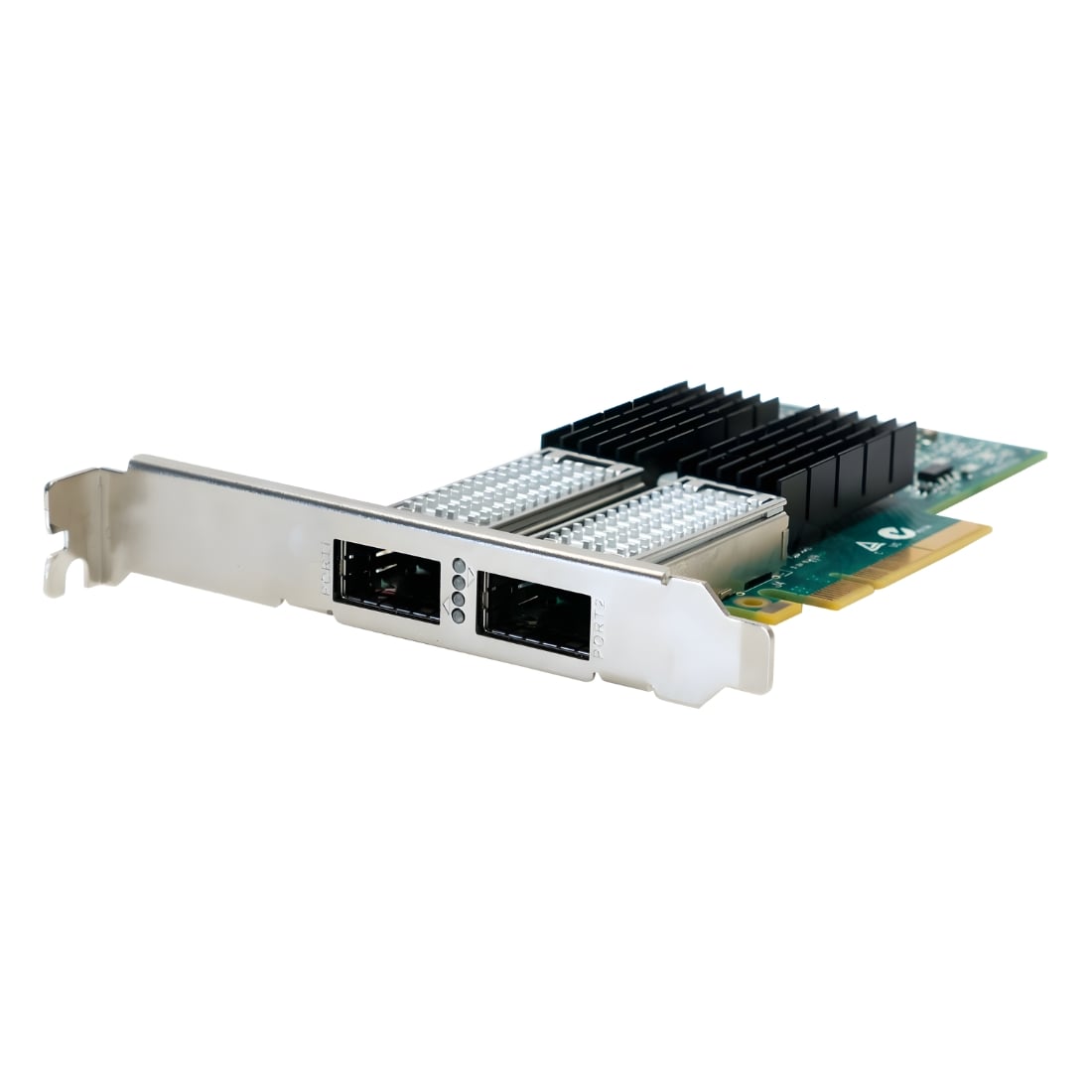
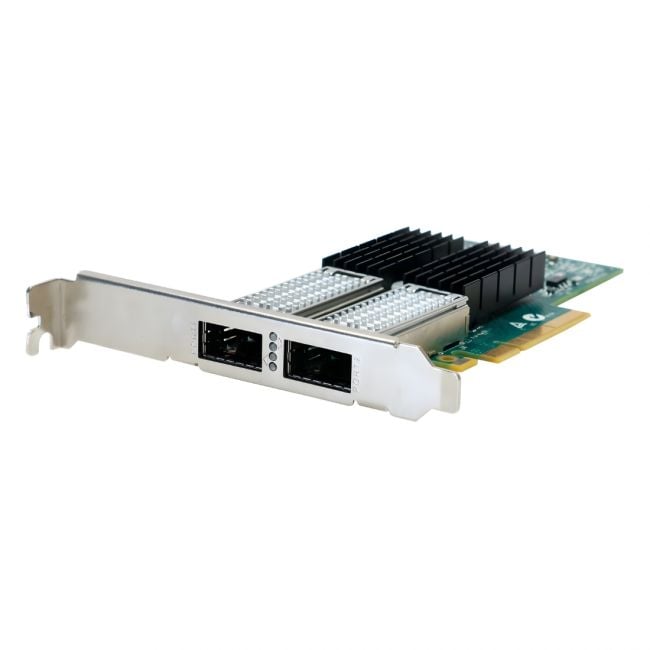
The LPE16002B-HP adapter connects servers to fiber channel storage networks with dual 16 Gb/s LC ports, fitting into PCI Express 2.0 x8 slots. It's designed to provide reliable, high-speed links in data center environments where fast access to shared storage is essential. |
General Information |
|
|---|---|
| Brand | HP |
| Part Number | LPE16002B-HP |
Connectivity & Physical |
|
|---|---|
| Weight | 3.00 |
| Condition | Refurbished |
Miscellaneous |
|
|---|---|
| Assembly Required | Yes |
| Eco Friendly | Yes |
Product Description |
|---|
The LPE16002B-HP is a dual-port fiber channel host bus adapter built for connecting servers to storage area networks. With its 16 Gb/s transfer speed, it provides fast and reliable data access, making it suitable for demanding storage tasks. Often found in data centers and enterprise IT environments, this adapter delivers efficient communication between servers and storage devices. It's commonly used by system administrators and IT professionals managing SANs for business applications. Key Features
This adapter is typically deployed in enterprise storage arrays and virtualization setups where reliable and fast data transfer is critical. It plays a key role in maintaining smooth storage workflows and reducing bottlenecks in complex IT systems. |
Use Cases |
|---|
The LPE16002B-HP is primarily deployed in enterprise data centers and storage area networks (SANs) that demand high-throughput and low-latency connectivity. IT professionals managing virtualization clusters or large-scale storage infrastructures benefit from its dual 16 Gb/s fiber channel ports, which enable robust and scalable storage access. How It's Used:
This adapter enhances operational efficiency by ensuring consistent data throughput and scalable connectivity options. Its compatibility with PCIe 2.0 x8 slots allows for integration into existing server architectures while supporting the growing bandwidth demands of enterprise storage workflows. |
 Shipping Options
 International Delivery
Requires a UPS, FedEx, or DHL account. Customers may arrange pickup from our US warehouse.
International Delivery
Requires a UPS, FedEx, or DHL account. Customers may arrange pickup from our US warehouse.
 Payment Methods
We accept Visa, Mastercard, AMEX, Discover, and Wire Transfer.
Payment Methods
We accept Visa, Mastercard, AMEX, Discover, and Wire Transfer.
 Purchase Orders
We process purchase orders for government agencies, enterprises, data centers, and SMBs.
Purchase Orders
We process purchase orders for government agencies, enterprises, data centers, and SMBs.