Subscribe To Our Newsletter!
Subscribe to the newsletter to stay up to date with the latest news and most useful
Newsletter
↑
Back to Top



Product Overview |
|---|
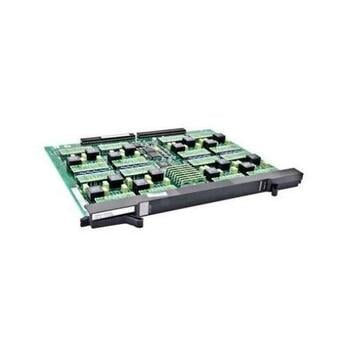
The Lenovo H701-L 6Gb HBA Mezz Card is a storage interface card designed to fit in the ThinkServer SD350. It connects the server to multiple SAS and SATA drives, allowing faster data transfers and efficient storage management. This card is a practical choice for businesses looking to expand their server's storage options without increasing the physical footprint. |
General Information |
|
|---|---|
| Brand | Lenovo |
| Part Number | 00YD430 |
| Alternate Part Number | 00YD430-03-UK |
Technical Information |
|
|---|---|
| Protocol | SAS (Serial Attached SCSI) |
| Data Rate | 6Gbps SAS |
| Port Count | 2-Port (Dual) |
| Bus Interface | Mezzanine (LOM) |
| Connector Type | Mini-SAS HD (SFF-8644) |
| Chipset / Controller | LSI SAS2008 |
| Network Topology | Point-to-Point |
Advanced Features & Compatibility |
|
|---|---|
| Management Features | Diagnostics (D_Port) |
| OS Compatibility | Windows Server 2019, VMware ESXi 7.x, RHEL 8, SLES 15 |
Physical Characteristics |
|
|---|---|
| Form Factor | Mezzanine card |
| Weight | 3.00 |
| Condition | Refurbished |
Product Description |
|---|
The Lenovo H701-L 6Gb HBA Mezz Card serves as a high-performance host bus adapter, facilitating swift communication between the ThinkServer SD350 and its storage drives. This card is commonly used in server environments that require reliable and efficient data handling, especially where multiple SAS or SATA devices are connected. Built specifically for the SD350, it fits neatly into the server's mezzanine slot, ensuring smooth integration without occupying additional space. IT professionals and system administrators often deploy this card to enhance storage capabilities and streamline server operations. Key Features
This card is typically installed in data centers, small to medium business servers, and enterprise environments utilizing Lenovo SD350 servers. It plays a crucial role in managing storage arrays and improving data flow, making it easier to handle large workloads or demanding applications. |
Use Cases |
|---|
The Lenovo 6Gb SAS H701-L HBA Mezzanine Card is primarily utilized in enterprise IT environments where the Lenovo ThinkServer SD350 serves as the backbone for scalable storage solutions. It is especially suited for data centers and medium to large businesses seeking to expand their direct-attached storage capacity without compromising on server density or performance. How It's Used:
This mezzanine card helps maintain operational efficiency by offering high-speed SAS connectivity in a form factor optimized for dense server chassis. It supports scalability in expanding storage pools and enhances performance by reducing bottlenecks in data transfer between servers and connected drives. |
 Shipping Options
 International Delivery
Requires a UPS, FedEx, or DHL account. Customers may arrange pickup from our US warehouse.
International Delivery
Requires a UPS, FedEx, or DHL account. Customers may arrange pickup from our US warehouse.
 Payment Methods
We accept Visa, Mastercard, AMEX, Discover, and Wire Transfer.
Payment Methods
We accept Visa, Mastercard, AMEX, Discover, and Wire Transfer.
 Purchase Orders
We process purchase orders for government agencies, enterprises, data centers, and SMBs.
Purchase Orders
We process purchase orders for government agencies, enterprises, data centers, and SMBs.