

Subscribe To Our Newsletter!
Subscribe to the newsletter to stay up to date with the latest news and most useful
Newsletter
↑
Back to Top



Product Overview |
|---|
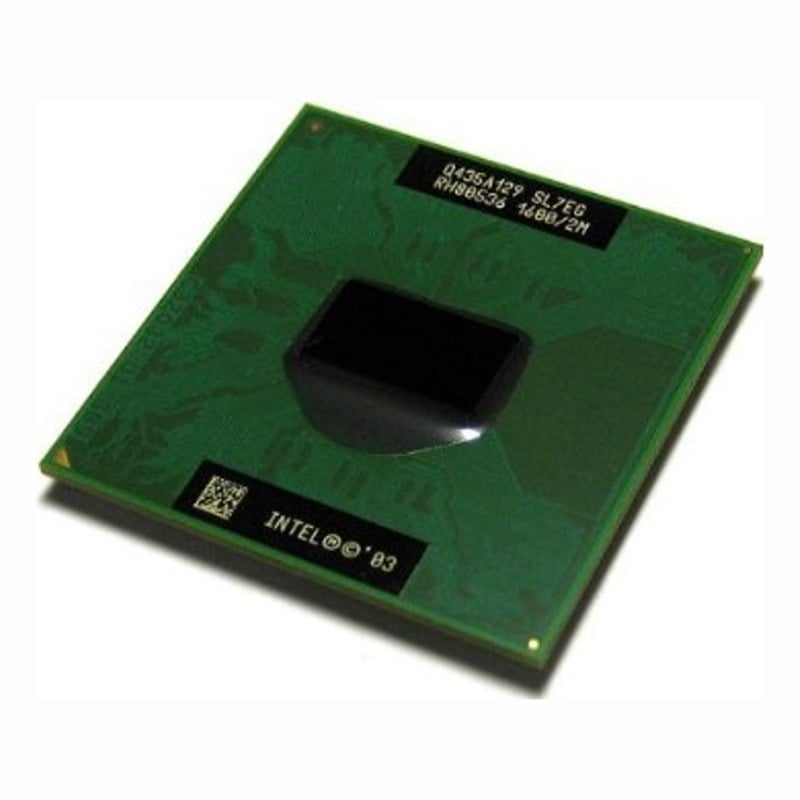
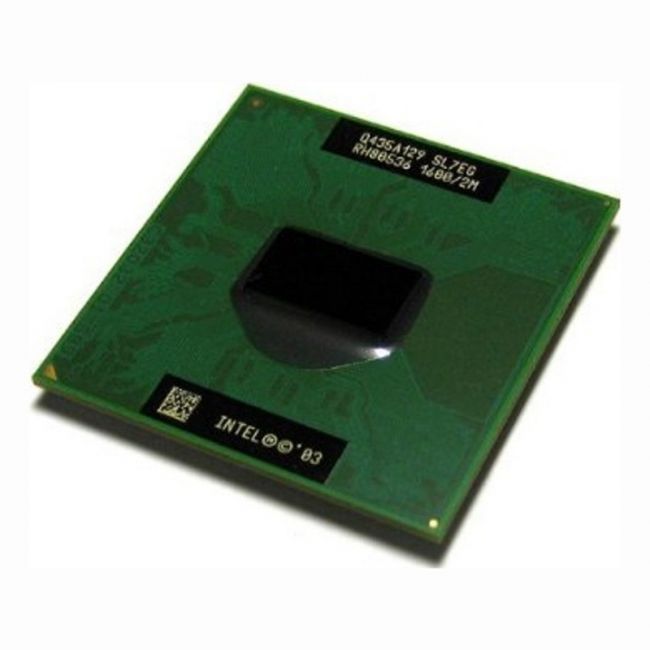
The Intel Pentium M 770 Single-Core processor runs at 2.13GHz with a 533MHz front side bus and includes 2MB of L2 cache. It fits into notebook systems using the BGA479 socket and is built to balance power consumption with capable performance for everyday mobile computing tasks. |
General Information |
|
|---|---|
| Brand | Intel |
| Part Number | LE80536GE0462M |
Technical Information |
|
|---|---|
| Total Threads | 1 |
| Base Clock Speed | 2.13 GHz |
| Cache | 2 MB L2 |
| Thermal Design Power | 27 W |
Physical Characteristics |
|
|---|---|
| Weight | 5.00 |
| Condition | Refurbished |
Miscellaneous |
|
|---|---|
| Eco Friendly | Yes |
| Compliance Standards | RoHS |
Product Description |
|---|
This Intel Pentium M 770 is a single-core processor designed specifically for notebook computers. It offers a balanced combination of speed and power efficiency, making it suitable for everyday tasks such as web browsing, office work, and media playback. Typically found in laptops from the mid-2000s, it serves users who need reliable performance without excessive power consumption. Key Features
You'll typically find this processor powering lightweight laptops used in education, business, or casual home environments. Its efficient use of power helps extend battery run time while still providing enough performance for typical daily applications. Overall, it's a solid choice for older notebook models aiming for dependable processing power without advanced multi-core demands. |
Use Cases |
|---|
The Intel Pentium M 770 processor is typically deployed in legacy notebook systems where energy efficiency and moderate processing power are critical. It is well-suited for users operating in environments that require reliable, low-heat computing such as mobile workstations used in field operations or corporate laptops for administrative tasks. How It's Used:
This processor supports operational efficiency in environments prioritizing energy conservation without sacrificing adequate computing capabilities. Its balance of performance and power management helps maintain sustainable usage in mobile and constrained thermal settings. |
 Shipping Options
 International Delivery
Requires a UPS, FedEx, or DHL account. Customers may arrange pickup from our US warehouse.
International Delivery
Requires a UPS, FedEx, or DHL account. Customers may arrange pickup from our US warehouse.
 Payment Methods
We accept Visa, Mastercard, AMEX, Discover, and Wire Transfer.
Payment Methods
We accept Visa, Mastercard, AMEX, Discover, and Wire Transfer.
 Purchase Orders
We process purchase orders for government agencies, enterprises, data centers, and SMBs.
Purchase Orders
We process purchase orders for government agencies, enterprises, data centers, and SMBs.