

Subscribe To Our Newsletter!
Subscribe to the newsletter to stay up to date with the latest news and most useful
Newsletter
↑
Back to Top



Product Overview |
|---|
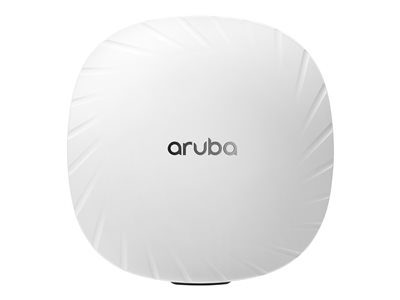
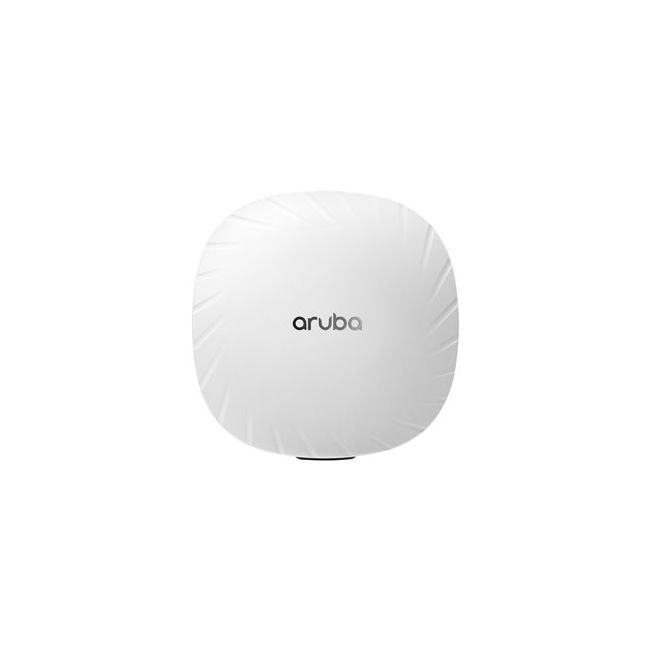
The HP Aruba AP-535 is a dual-band 802.11ax access point offering solid wireless performance for campus environments. It balances strong internal antennas with multi-port connectivity, fitting into unified wireless networks to support a wide range of client devices effectively. |
General Information |
|
|---|---|
| Brand | HPE |
| Part Number | JZ337-61001 |
Technical Information |
|
|---|---|
| Frequency Bands | 2.4 GHz,5 GHz |
| Interface | 802.11ax (Wi‑Fi 6), Bluetooth Low Energy (BLE) |
| WiFi Standard | 802.11ax,802.11ac,802.11n,802.11g,802.11b,802.11a |
| MIMO | Yes |
| Ethernet Port | 2 x RJ-45 |
| Compatibility | ArubaOS,Aruba Central,Instant (controllerless) |
| Management | Aruba Central,ArubaOS (controller),AirWave,SNMP,CLI |
Physical Characteristics |
|
|---|---|
| Weight | 5.00 |
| Condition | Refurbished |
Miscellaneous |
|
|---|---|
| Compliance Standards | WEEE, RoHS, CE, FCC |
Product Description |
|---|
The HP Aruba AP-535 is a dual-band access point built for delivering fast, reliable wireless connections in busy environments. It supports the 802.11ax standard, often found in enterprise networks and campus settings, providing enhanced capacity and reduced interference. The dual radios allow simultaneous operation on both 2.4GHz and 5GHz bands, catering to a wide range of devices. Typically used by network administrators in educational institutions, corporate campuses, and large venues, this access point helps manage dense client populations with better efficiency. Its internal antennas and multiple input, multiple output (MIMO) technology improve coverage and throughput. Key Features
This access point is typically installed in ceiling or wall mounts across university buildings, office floors, or conference centers. Its design helps maintain smooth wireless experiences in areas with many users and devices, reducing dead zones and buffering. IT teams value its balance of performance and integration within larger network infrastructures. |
 Shipping Options
 International Delivery
Requires a UPS, FedEx, or DHL account. Customers may arrange pickup from our US warehouse.
International Delivery
Requires a UPS, FedEx, or DHL account. Customers may arrange pickup from our US warehouse.
 Payment Methods
We accept Visa, Mastercard, AMEX, Discover, and Wire Transfer.
Payment Methods
We accept Visa, Mastercard, AMEX, Discover, and Wire Transfer.
 Purchase Orders
We process purchase orders for government agencies, enterprises, data centers, and SMBs.
Purchase Orders
We process purchase orders for government agencies, enterprises, data centers, and SMBs.