

Subscribe To Our Newsletter!
Subscribe to the newsletter to stay up to date with the latest news and most useful
Newsletter
↑
Back to Top



Product Overview |
|---|
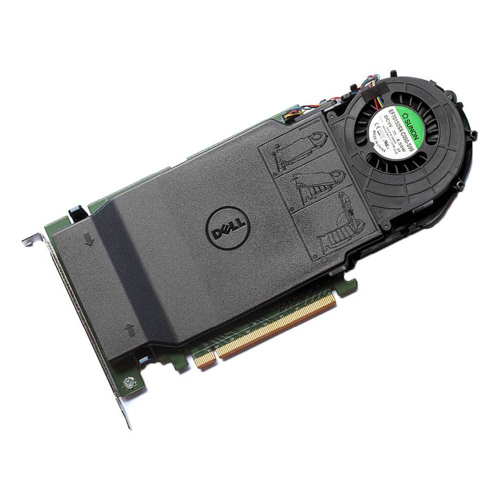
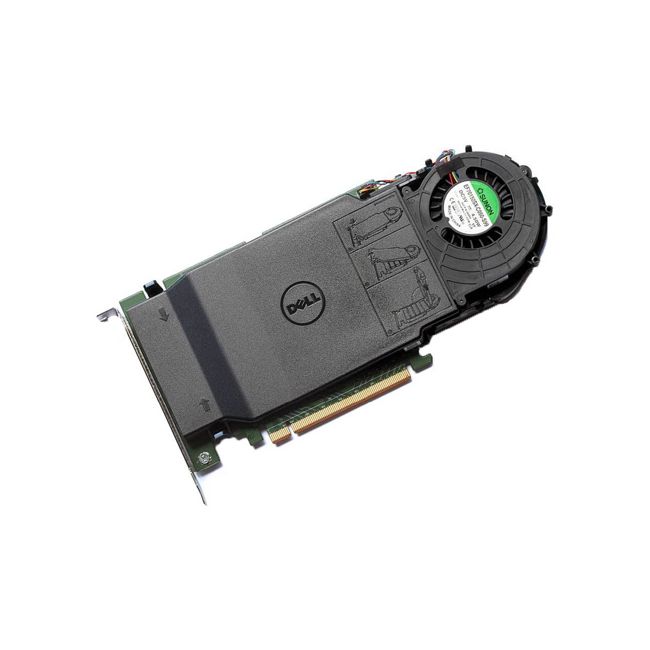
The JV6C8 Dell Ultra Speed Drive Quad adapter card offers a straightforward way to add multiple M.2 NVMe drives to compatible Dell systems. It fits into a PCIe x16 slot and lets users expand storage with up to four drives, delivering faster data access and higher capacity. Commonly used in servers and workstations, it balances performance and space-saving design effectively. |
General Information |
|
|---|---|
| Brand | Dell |
| Part Number | JV6C8 |
Physical Characteristics |
|
|---|---|
| Weight | 5.00 |
| Condition | Refurbished |
Product Description |
|---|
The JV6C8 Dell Ultra Speed Drive Quad x16 PCIe to M.2 Adapter Card allows users to connect up to four M.2 NVMe solid-state drives through a single PCIe x16 slot. This card is built for high-performance storage expansions, making it ideal for servers, workstations, and high-demand computing environments. Often found in data centers and professional setups, it enables faster boot times, improved application responsiveness, and increased storage capacity without sacrificing system performance. IT professionals and power users benefit from the flexibility and speed offered by this adapter. Key Features
Typically deployed in enterprise servers and high-end workstations, this adapter card helps meet demanding data workloads and storage needs. It plays a crucial role in setups requiring fast access to multiple SSDs while maintaining a streamlined hardware footprint. |
Use Cases |
|---|
The JV6C8 Dell Ultra Speed Drive Quad PCIe x16 adapter card is typically deployed in enterprise IT environments where high-speed storage expansion is critical. It benefits data centers and workstation-heavy operations requiring rapid data throughput and scalable NVMe storage integration within Dell server or workstation infrastructures. How It's Used:
This adapter card enables organizations to increase operational efficiency by consolidating multiple NVMe drives into a single PCIe slot, thereby optimizing server resources and maintaining scalable growth in data-intensive environments. |
 Shipping Options
 International Delivery
Requires a UPS, FedEx, or DHL account. Customers may arrange pickup from our US warehouse.
International Delivery
Requires a UPS, FedEx, or DHL account. Customers may arrange pickup from our US warehouse.
 Payment Methods
We accept Visa, Mastercard, AMEX, Discover, and Wire Transfer.
Payment Methods
We accept Visa, Mastercard, AMEX, Discover, and Wire Transfer.
 Purchase Orders
We process purchase orders for government agencies, enterprises, data centers, and SMBs.
Purchase Orders
We process purchase orders for government agencies, enterprises, data centers, and SMBs.