

Subscribe To Our Newsletter!
Subscribe to the newsletter to stay up to date with the latest news and most useful
Newsletter
↑
Back to Top



Product Overview |
|---|
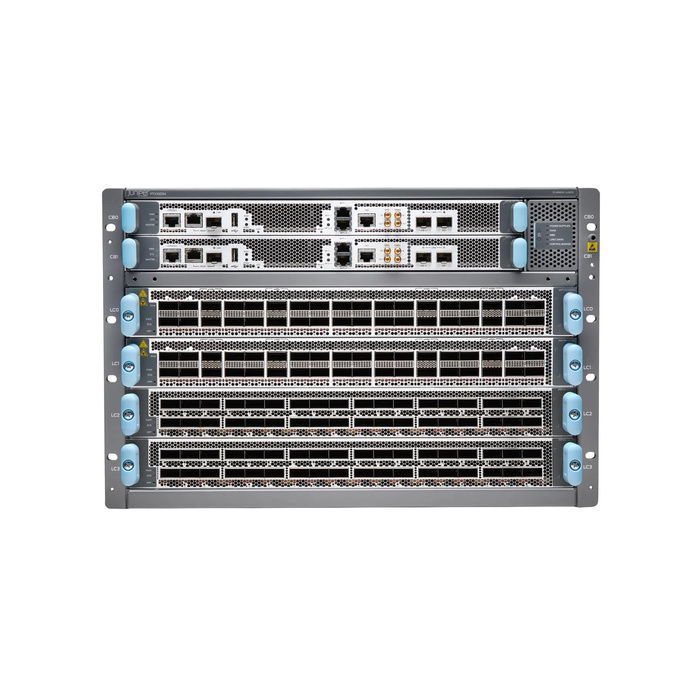
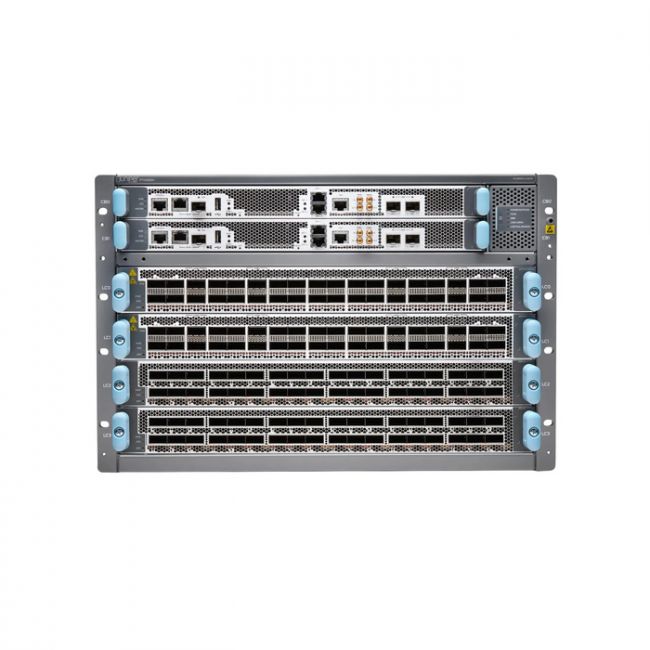
The JNP10004-FRNT-PNL front panel fits directly onto the Juniper JNP10004 chassis, providing a protective barrier that guards internal hardware while allowing proper airflow. It is a key component that helps maintain the chassis’s physical security and thermal management without interfering with functionality. |
General Information |
|
|---|---|
| Brand | Juniper Networks |
| Condition | Refurbished |
Physical Characteristics |
|
|---|---|
| Weight | 3.00 |
Miscellaneous |
|
|---|---|
| Assembly Required | No |
Product Description |
|---|
The JNP10004-FRNT-PNL serves as the front panel for the Juniper JNP10004 chassis, offering a protective cover that maintains the chassis integrity and airflow. Commonly found in network infrastructure setups, this panel is built to integrate seamlessly with the chassis frame, ensuring both security and accessibility. Network professionals and system administrators often rely on components like this to maintain hardware stability within data centers and enterprise environments. Its design supports efficient chassis management while safeguarding internal modules. Key Features
This front panel plays a critical role in preserving the structural and operational integrity of the chassis. Its reliable design contributes to the overall durability and effective cooling of the system, aiding in consistent performance. By securely covering the front of the chassis, it helps prevent dust ingress and potential physical impacts, ensuring the longevity of internal components. |
Use Cases |
|---|
This front panel is generally used in enterprise networking setups where the Juniper JNP10004 chassis is deployed. It benefits environments such as data centers and large IT infrastructure facilities where chassis protection and airflow management are priorities. How It's Used:
In these settings, the front panel supports operational stability by preserving hardware conditions and contributing to efficient cooling. Its straightforward design enables effective chassis management without complicating access or maintenance tasks. |
 Shipping Options
 International Delivery
Requires a UPS, FedEx, or DHL account. Customers may arrange pickup from our US warehouse.
International Delivery
Requires a UPS, FedEx, or DHL account. Customers may arrange pickup from our US warehouse.
 Payment Methods
We accept Visa, Mastercard, AMEX, Discover, and Wire Transfer.
Payment Methods
We accept Visa, Mastercard, AMEX, Discover, and Wire Transfer.
 Purchase Orders
We process purchase orders for government agencies, enterprises, data centers, and SMBs.
Purchase Orders
We process purchase orders for government agencies, enterprises, data centers, and SMBs.