

Subscribe To Our Newsletter!
Subscribe to the newsletter to stay up to date with the latest news and most useful
Newsletter
↑
Back to Top



Product Overview |
|---|
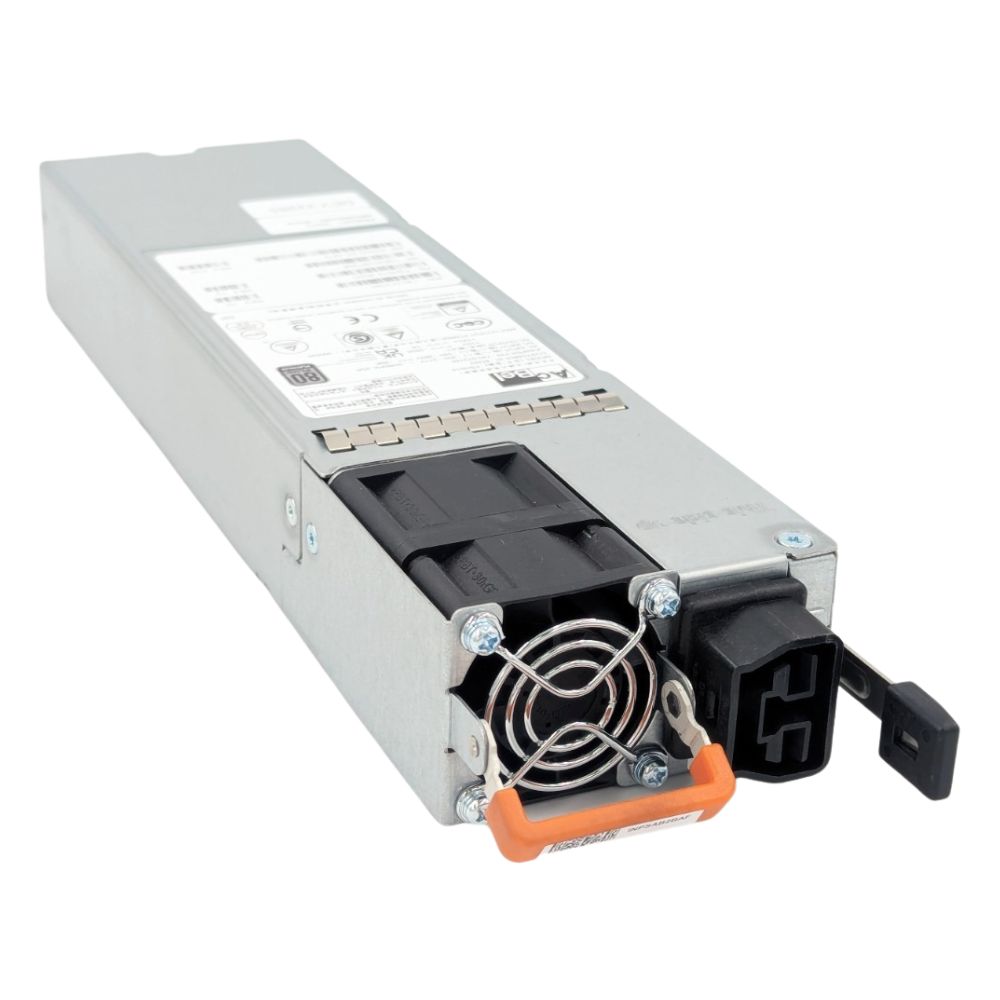
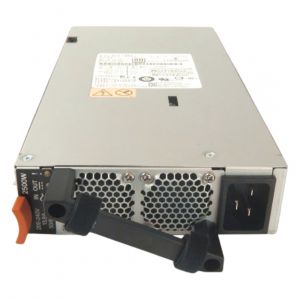
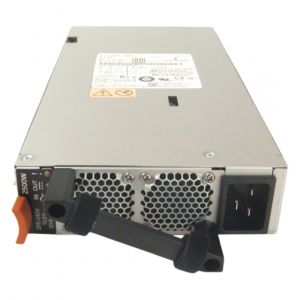
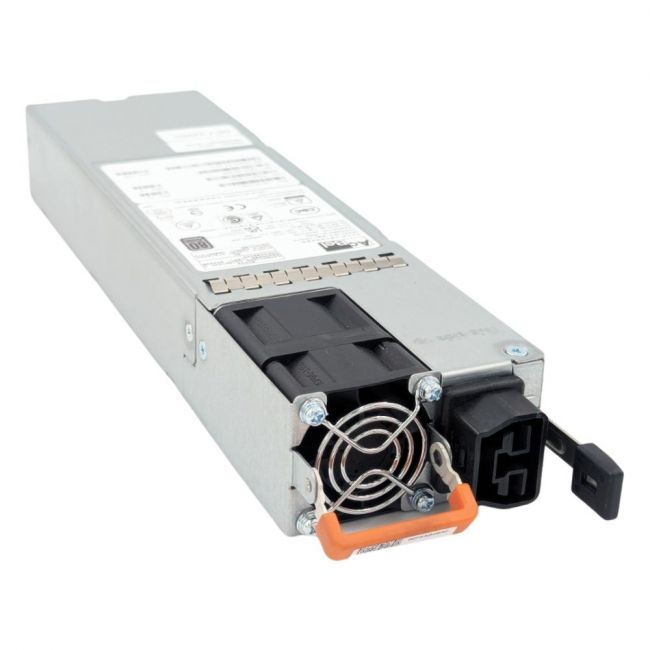
The Juniper 3000W AC Power Supply (JNP-3000W-AC-AFO) provides 3000 watts of AC power output tailored for Juniper networking devices. It supports standard AC input sources, making it suitable for data center use where efficient power conversion and reliability are important. |
General Information |
|
|---|---|
| Brand | Juniper |
| Condition | Refurbished |
Technical Information |
|
|---|---|
| Input Voltage | AC 200-240V |
| Input Frequency | 50/60Hz |
| Max. Output Power | 3000W |
| Hot Swappable | Yes |
| Redundant Support | Yes |
| Cooling Type | Active Fan |
| Modularity | Non-Modular |
Compatibility |
|
|---|---|
| Form Factor | Proprietary |
Physical Characteristics |
|
|---|---|
| Weight | 3.00 |
Certifications and Environmental |
|
|---|---|
| Assembly Required | No |
Product Description |
|---|
The Juniper 3000W AC Power Supply (model JNP-3000W-AC-AFO) is engineered to provide reliable power delivery for compatible Juniper networking hardware. It converts AC input into a stable power output of 3000 watts, enabling the equipment to operate efficiently in data center or enterprise environments. This power supply is generally utilized in medium to large-scale network infrastructures where consistent power is critical. IT professionals and network administrators benefit from its integration to maintain optimal system uptime. Key Features
This power supply plays a crucial role in ensuring that Juniper networking equipment receives consistent and adequate power. It supports the operational integrity of critical network systems, contributing to overall infrastructure stability. |
Use Cases |
|---|
This power supply is typically used in enterprise network environments and data centers where Juniper equipment requires substantial power input. It suits scenarios demanding stable AC power for rack-mounted or modular network hardware. How It's Used:
It functions as a key component in network power management, ensuring devices receive consistent energy and helping maintain network uptime and performance within operational environments. |
FAQ's |
|---|
|
 Shipping Options
 International Delivery
Requires a UPS, FedEx, or DHL account. Customers may arrange pickup from our US warehouse.
 Payment Methods
We accept Visa, Mastercard, AMEX, Discover, and Wire Transfer.
 Purchase Orders
We process purchase orders for government agencies, enterprises, data centers, and SMBs.