

Subscribe To Our Newsletter!
Subscribe to the newsletter to stay up to date with the latest news and most useful
Newsletter
↑
Back to Top



Product Overview |
|---|
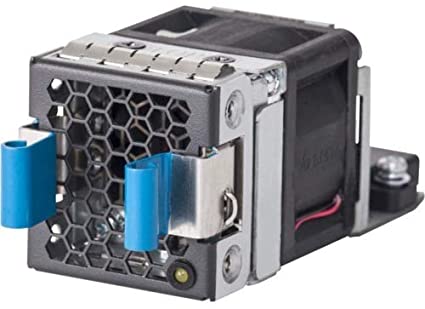
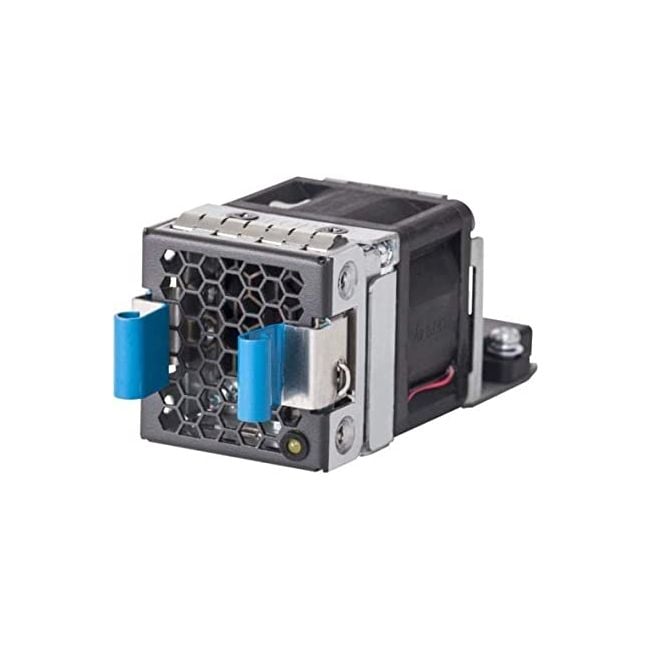
The JL594A HPE FlexFabric X721 front-to-back fan tray helps keep HPE FlexFabric and 5900AF switches cool by directing airflow through the chassis. It fits neatly into the switch housing and is designed for easy installation and maintenance. Its primary function is to maintain consistent internal temperatures, which is vital for reliable switch operation in data center and enterprise networking setups. |
General Information |
|
|---|---|
| Brand | HPE |
| Part Number | JL594A |
Technical Specification |
|
|---|---|
| Component Type | Fan Tray |
| Cooling Method | Active |
| Material | Metal,Plastic |
| Compatibility | HPE FlexFabric X721 Series switches |
| Voltage | 12V DC |
| Airflow Direction | Front-to-Back |
Physical Characteristics |
|
|---|---|
| Form Factor | Front-to-Back Fan Tray, Hot-pluggable |
| Weight | 5.00 |
| Condition | Refurbished |
Miscellaneous |
|
|---|---|
| Assembly Required | Yes |
| Eco Friendly | Yes |
| Compliance Standards | WEEE, RoHS, CE, FCC |
Product Description |
|---|
The JL594A HPE FlexFabric X721 front-to-back fan tray is built to provide reliable cooling for HPE FlexFabric switches, specifically the 5900AF series. It helps maintain optimal operating temperatures by directing airflow through the switch chassis, preventing overheating during high-performance networking tasks. Often found in data centers and enterprise network environments, this fan tray is essential for network administrators who prioritize hardware longevity and consistent performance. Its design allows for straightforward installation and replacement without disrupting network operations. Key Features
This fan tray is typically deployed inside network switches within server rooms and data centers, where maintaining stable hardware temperatures is critical. It plays a key role in preventing hardware failures and supporting uninterrupted network uptime by efficiently managing heat dissipation. |
Use Cases |
|---|
The JL594A HPE FlexFabric X721 front-to-back fan tray is typically deployed in high-density networking environments where precise thermal management is critical. It is suited for data centers and enterprise IT infrastructures utilizing HPE FlexFabric and 5900AF series switches, which demand consistent airflow to maintain optimal device performance and reliability. How It's Used:
By ensuring consistent front-to-back airflow, this fan tray helps maintain the thermal efficiency necessary for scalable network operations. It supports operational stability within dense switch deployments, allowing IT teams to manage heat dissipation without compromising performance or scalability. |
 Shipping Options
 International Delivery
Requires a UPS, FedEx, or DHL account. Customers may arrange pickup from our US warehouse.
International Delivery
Requires a UPS, FedEx, or DHL account. Customers may arrange pickup from our US warehouse.
 Payment Methods
We accept Visa, Mastercard, AMEX, Discover, and Wire Transfer.
Payment Methods
We accept Visa, Mastercard, AMEX, Discover, and Wire Transfer.
 Purchase Orders
We process purchase orders for government agencies, enterprises, data centers, and SMBs.
Purchase Orders
We process purchase orders for government agencies, enterprises, data centers, and SMBs.