

Subscribe To Our Newsletter!
Subscribe to the newsletter to stay up to date with the latest news and most useful
Newsletter
↑
Back to Top



Product Overview |
|---|
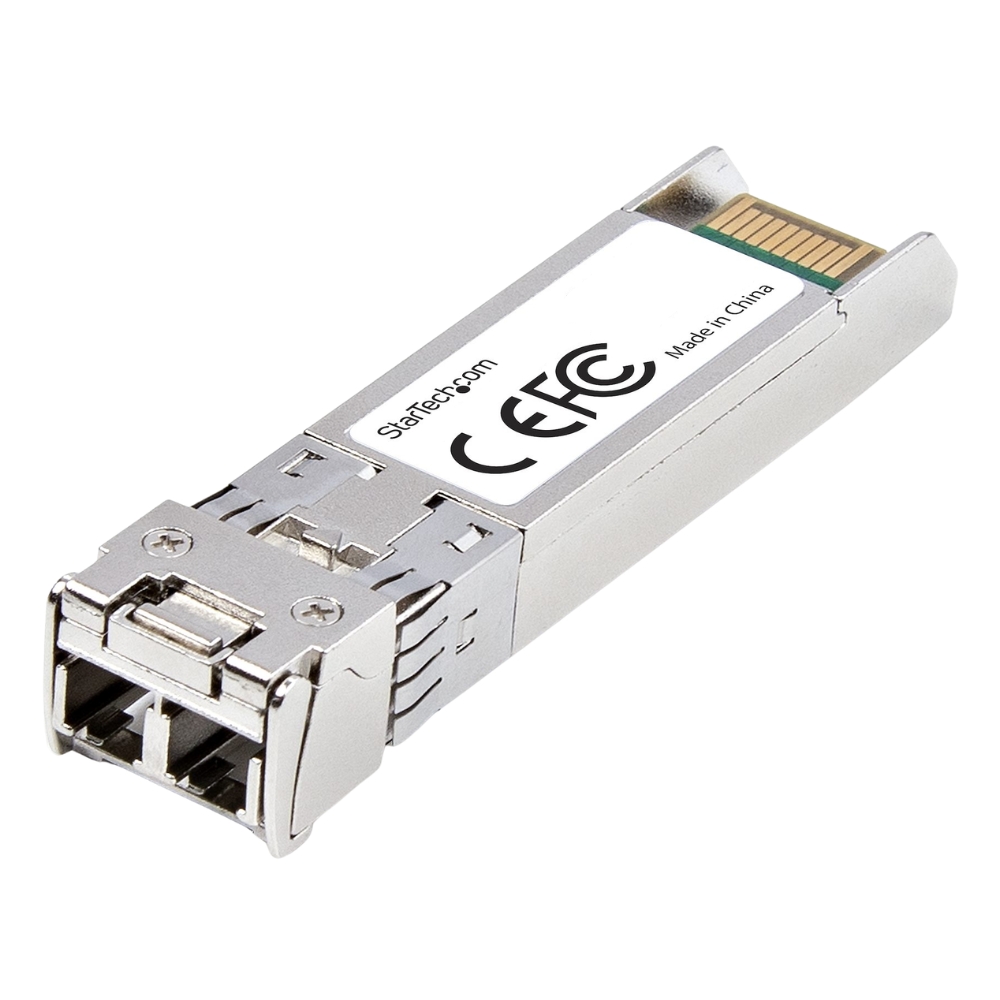
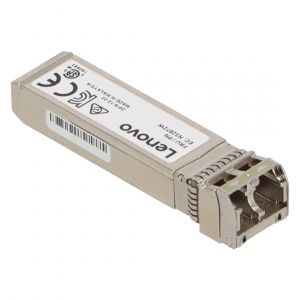
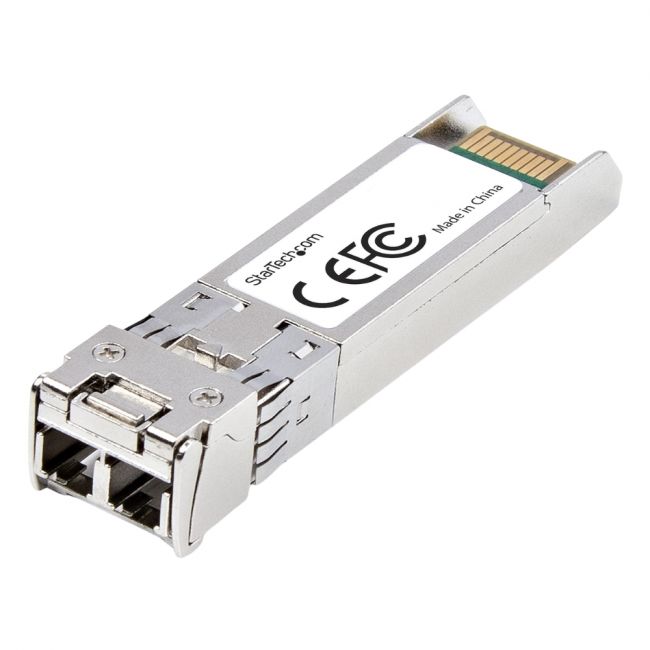
The JL484A-ST - StarTech SFP28 MMF 850 nm 100m LC Compatible Transceiver is a fiber optic module that facilitates 25 Gigabit Ethernet transmission over multimode fiber cables. It fits into SFP28 ports and is tailored for short-distance communication, typically within data centers or local networks where multimode fiber is standard. |
General Information |
|
|---|---|
| Brand | StarTech |
Technical Information |
|
|---|---|
| Form Factor | SFP28 |
| Media | MMF |
| Type | VCSEL |
| Protocols | 25GBASE-SR,25GbE,IEEE 802.3by |
| Connector | LC Duplex |
| DOM Support | Yes |
Physical Characteristics |
|
|---|---|
| Weight | 3.00 |
| Condition | Refurbished |
Product Description |
|---|
The JL484A-ST is a 25 Gigabit SFP28 transceiver designed for multimode fiber links. It allows efficient data transmission over short distances using an 850 nm wavelength, making it suitable for various high-speed networking environments. This transceiver is commonly found in data centers, enterprise networks, and telecommunications infrastructure where short-range fiber connections are required. Built for networking professionals and IT teams, the device integrates with compatible fiber optic equipment to provide secure and stable communication channels. Its standardized LC interface ensures broad compatibility with existing fiber cabling. Key Features
Overall, this transceiver delivers reliable performance for short-range fiber links, supporting efficient data throughput with consistent signal quality. Its design balances performance with compatibility, making it a practical choice for upgrading or maintaining high-speed network segments requiring MMF connectivity. |
Use Cases |
|---|
This transceiver is typically deployed in environments where high-speed data transfer over short distances is essential, such as data center racks, server farms, and enterprise network backbones. Network administrators and infrastructure engineers rely on it to upgrade existing fiber links or expand network capabilities without replacing cabling. How It's Used:
In these contexts, the transceiver ensures stable and efficient data flow by providing appropriate optical parameters and form factors. It aids network scalability and maintains operational consistency without requiring costly rewiring or complex configuration adjustments. |
 Shipping Options
 International Delivery
Requires a UPS, FedEx, or DHL account. Customers may arrange pickup from our US warehouse.
International Delivery
Requires a UPS, FedEx, or DHL account. Customers may arrange pickup from our US warehouse.
 Payment Methods
We accept Visa, Mastercard, AMEX, Discover, and Wire Transfer.
Payment Methods
We accept Visa, Mastercard, AMEX, Discover, and Wire Transfer.
 Purchase Orders
We process purchase orders for government agencies, enterprises, data centers, and SMBs.
Purchase Orders
We process purchase orders for government agencies, enterprises, data centers, and SMBs.