

Subscribe To Our Newsletter!
Subscribe to the newsletter to stay up to date with the latest news and most useful
Newsletter
↑
Back to Top



Product Overview |
|---|
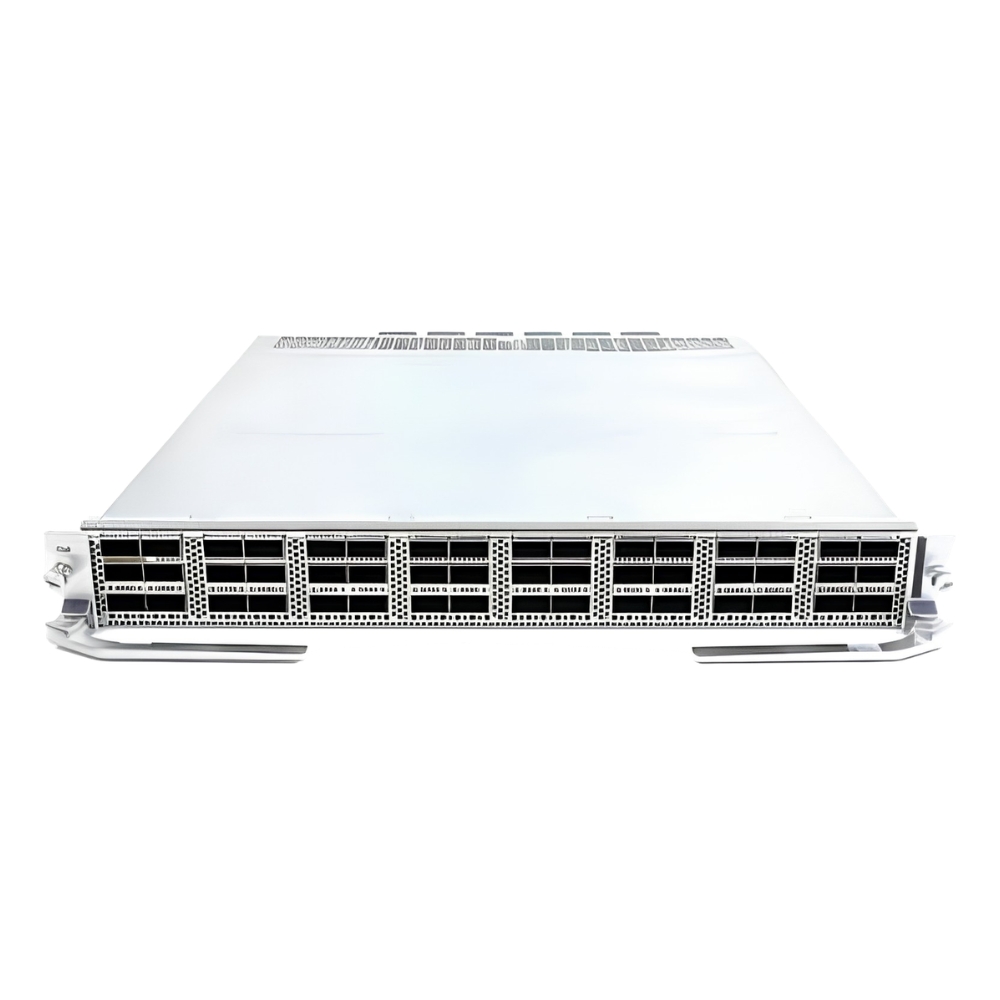
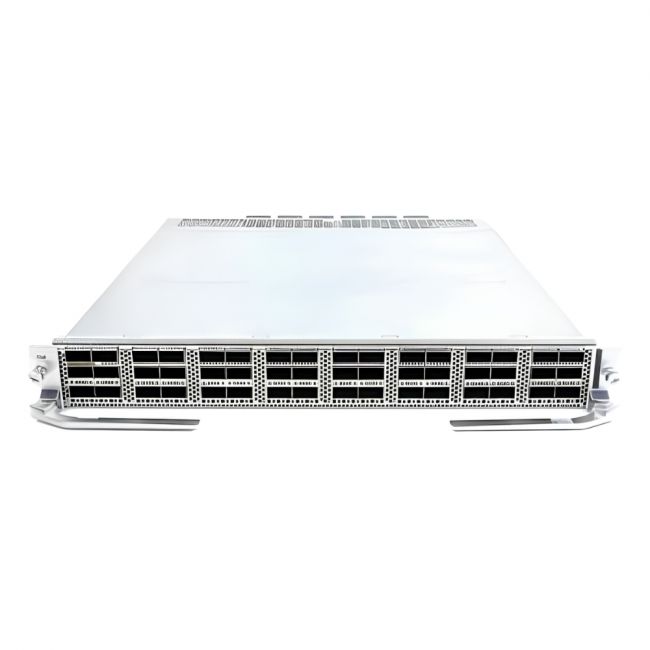
The JH359A - HP FlexFabric 12900E 48 x Ports 40GbE QSFP+ HB Switch Module provides high-speed, high-density switching tailored for enterprise-grade chassis systems. It integrates multiple 40GbE ports into a single module, fitting into existing network frameworks to enhance capacity without extensive reconfiguration. |
General Information |
|
|---|---|
| Brand | HP |
Technical Information |
|
|---|---|
| Ports | 48 |
| Compatibility | HPE FlexFabric 12900E |
| Data Transfer Rate | 40Gbps |
| Connector Type | QSFP+ |
Physical Characteristics |
|
|---|---|
| Weight | 3.00 |
| Condition | Refurbished |
Miscellaneous |
|
|---|---|
| Assembly Required | No |
| Compliance Standards | WEEE, RoHS, CE, FCC |
Product Description |
|---|
The JH359A - HP FlexFabric 12900E 48 x Ports 40GbE QSFP+ HB Switch Module serves as a robust network component designed for integration within the HP FlexFabric 12900E chassis. It is commonly found in data centers and large-scale enterprise networks where high throughput and low latency are crucial. Network administrators and IT professionals benefit from its capability to handle dense 40 Gigabit Ethernet connections efficiently. Key Features
This switch module plays a vital role in consolidating network traffic and supporting high-speed data flows. Its reliability and performance make it a dependable component for maintaining network stability and ensuring consistent data transmission in complex infrastructures. |
Use Cases |
|---|
The JH359A switch module is typically deployed in high-capacity data center environments and enterprise network cores. It benefits organizations requiring aggregated 40GbE connections for virtualization platforms, cloud infrastructure, or large-scale storage networks. How It's Used:
By enabling dense 40GbE port deployment within a single chassis, this module supports operational efficiency and scalability. It ensures that high-speed data transfers and network reliability remain consistent as infrastructure demands grow. |
 Shipping Options
 International Delivery
Requires a UPS, FedEx, or DHL account. Customers may arrange pickup from our US warehouse.
International Delivery
Requires a UPS, FedEx, or DHL account. Customers may arrange pickup from our US warehouse.
 Payment Methods
We accept Visa, Mastercard, AMEX, Discover, and Wire Transfer.
Payment Methods
We accept Visa, Mastercard, AMEX, Discover, and Wire Transfer.
 Purchase Orders
We process purchase orders for government agencies, enterprises, data centers, and SMBs.
Purchase Orders
We process purchase orders for government agencies, enterprises, data centers, and SMBs.