

Subscribe To Our Newsletter!
Subscribe to the newsletter to stay up to date with the latest news and most useful
Newsletter
↑
Back to Top



Product Overview |
|---|
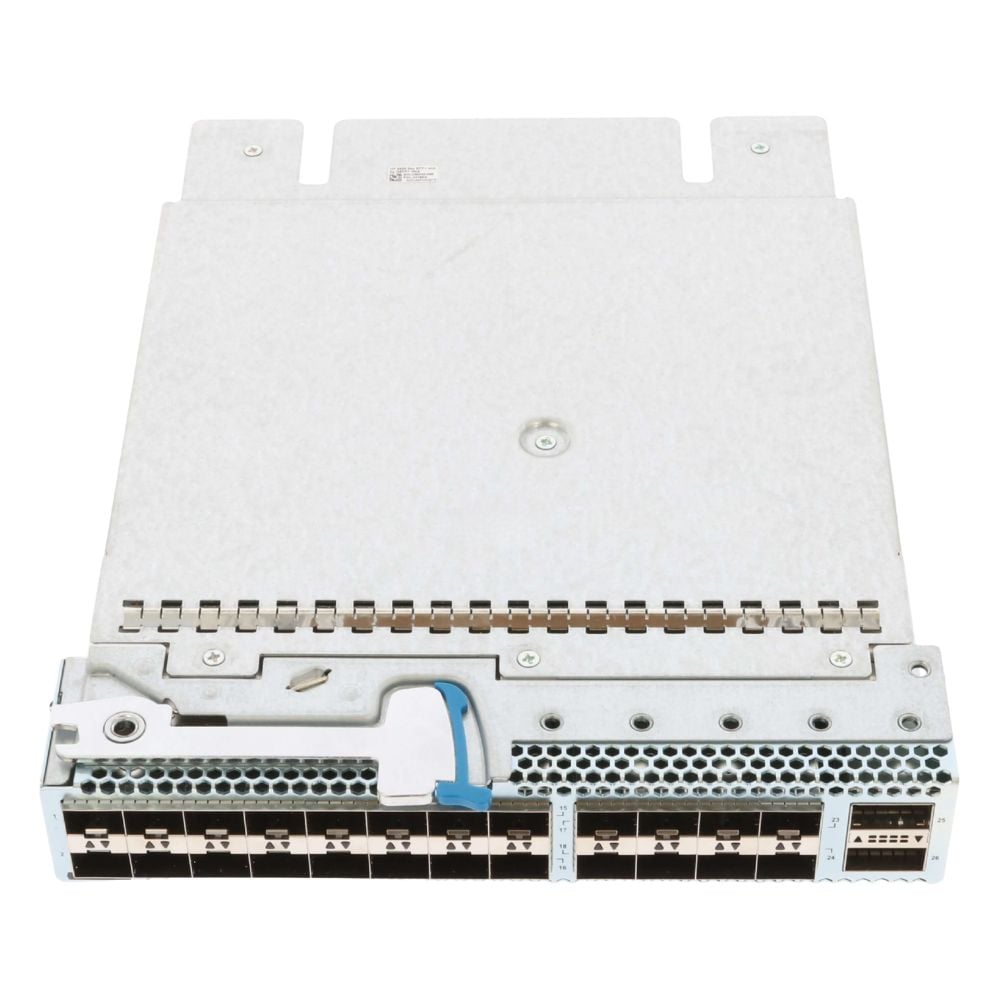
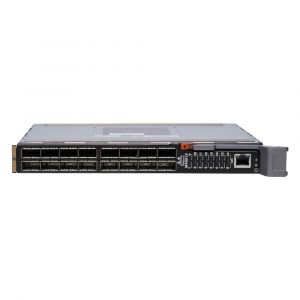
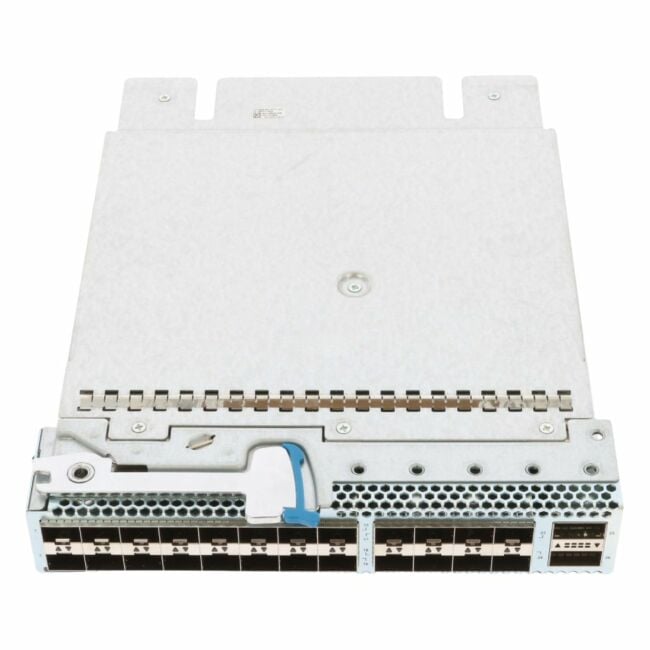
The HPE JH180AR expansion module provides additional 10GBase-X ports and QSFP+ uplink ports for compatible HPE switches, allowing increased network port density and 40GbE uplink capabilities in enterprise and data center environments. |
General Information |
|
|---|---|
| Brand | HPE |
Technical Information |
|
|---|---|
| Ports | 24 SFP+,2 QSFP+ |
| Data Transfer Rate | 10Gbps,40Gbps |
| Connector Type | SFP+,QSFP+ |
Physical Characteristics |
|
|---|---|
| Weight | 3.00 |
| Condition | Refurbished |
Miscellaneous |
|
|---|---|
| Assembly Required | No |
| Compliance Standards | WEEE, RoHS, CE, FCC |
Product Description |
|---|
The HPE JH180AR is a 24-port 10GBase-X plus 2-port QSFP+ Gigabit Ethernet expansion module designed to enhance network switch capabilities. It provides high-speed 10 Gigabit Ethernet connections alongside QSFP+ ports that support 40 Gigabit Ethernet uplinks, suitable for environments requiring increased bandwidth. This module is typically used in data centers and enterprise networks to expand the port count of compatible HPE switches, facilitating greater network scale and flexibility. Network administrators and IT professionals benefit from its integration in managing growing network demands. Key Features
This expansion module plays a critical role in scaling network infrastructure by increasing the number of high-speed ports available. It allows organizations to address bandwidth and connectivity needs while utilizing existing switch hardware. |
Use Cases |
|---|
The HPE JH180AR module is typically deployed in enterprise data centers and networking environments requiring expanded 10 Gigabit and 40 Gigabit Ethernet connectivity. It supports workloads that demand increased bandwidth and port scalability for growing network infrastructures. How It's Used:
By adding this module, organizations can scale their network capacity effectively to meet increased data traffic demands. It integrates with existing hardware to enhance connectivity options and operational flexibility. |
FAQ's |
|---|
|
 Shipping Options
 International Delivery
Requires a UPS, FedEx, or DHL account. Customers may arrange pickup from our US warehouse.
 Payment Methods
We accept Visa, Mastercard, AMEX, Discover, and Wire Transfer.
 Purchase Orders
We process purchase orders for government agencies, enterprises, data centers, and SMBs.