

Subscribe To Our Newsletter!
Subscribe to the newsletter to stay up to date with the latest news and most useful
Newsletter
↑
Back to Top



Product Overview |
|---|
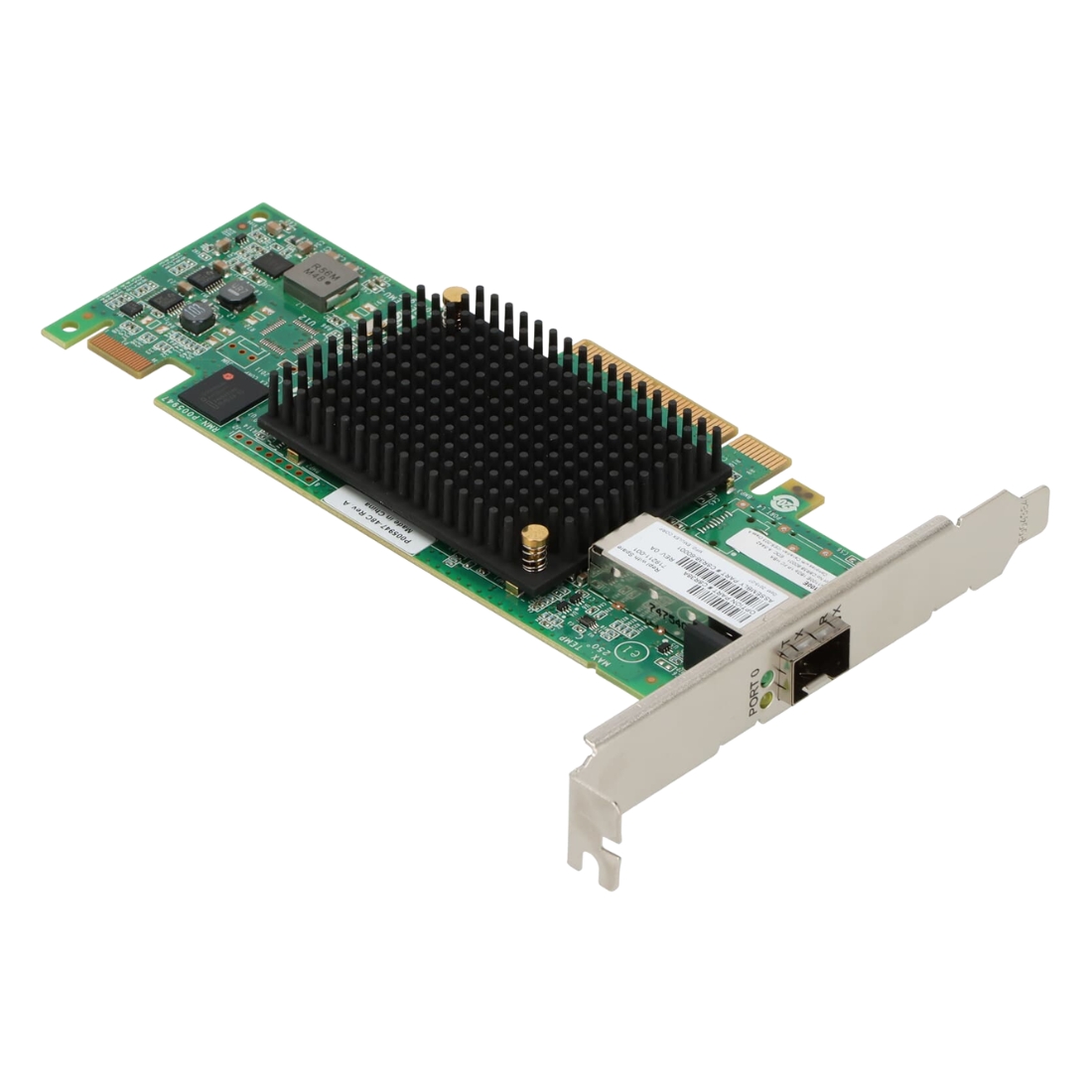
The JD629-61101 - HP 1-Port FT3/CT3 Flexible Interface Card provides a dedicated port for connecting FT3 or CT3 lines, typically used in modular network devices. It enables organizations to connect legacy T3 lines with contemporary HP hardware, supporting essential telecommunications standards in a compact form. |
General Information |
|
|---|---|
| Brand | HP |
Technical Information |
|
|---|---|
| Product Type | Mezzanine NIC |
| Number of Ports | 1-Port |
| Bracket Height | Internal/Mezzanine |
Connectivity & Physical |
|
|---|---|
| Form Factor | Mezzanine Card |
| Weight | 3.00 |
| Condition | Refurbished |
Miscellaneous |
|
|---|---|
| Assembly Required | No |
Product Description |
|---|
The JD629-61101 is a flexible interface card designed to provide a single FT3/CT3 port, facilitating the integration of high-speed telecommunications lines into network infrastructure. It is commonly found in telecommunications and data networking environments where legacy T3 or FT3 lines are still in use. Built for IT professionals and network engineers, this card supports smooth connectivity and transition for networks requiring these specific interface types. It is often found in network chassis or modular routers that accept interface cards for expanding connection options. Key Features
This interface card plays a vital role in bridging older telecommunication lines with modern network equipment. Its reliable function helps maintain continuity and compatibility without sacrificing network stability or throughput. Performance and durability are core to its design, making it a dependable component in complex telecommunications environments where consistent data flow is critical. |
Use Cases |
|---|
This flexible interface card is typically deployed in environments where legacy telecommunications infrastructure remains operational, such as enterprise networks and service provider setups. It benefits network teams managing a mix of modern and traditional connectivity needs. How It's Used:
By offering a stable and standardized interface, this card supports operational continuity and efficient data routing in settings where legacy line support is necessary, helping maintain overall network performance. |
 Shipping Options
 International Delivery
Requires a UPS, FedEx, or DHL account. Customers may arrange pickup from our US warehouse.
International Delivery
Requires a UPS, FedEx, or DHL account. Customers may arrange pickup from our US warehouse.
 Payment Methods
We accept Visa, Mastercard, AMEX, Discover, and Wire Transfer.
Payment Methods
We accept Visa, Mastercard, AMEX, Discover, and Wire Transfer.
 Purchase Orders
We process purchase orders for government agencies, enterprises, data centers, and SMBs.
Purchase Orders
We process purchase orders for government agencies, enterprises, data centers, and SMBs.