

Subscribe To Our Newsletter!
Subscribe to the newsletter to stay up to date with the latest news and most useful
Newsletter
↑
Back to Top



Product Overview |
|---|
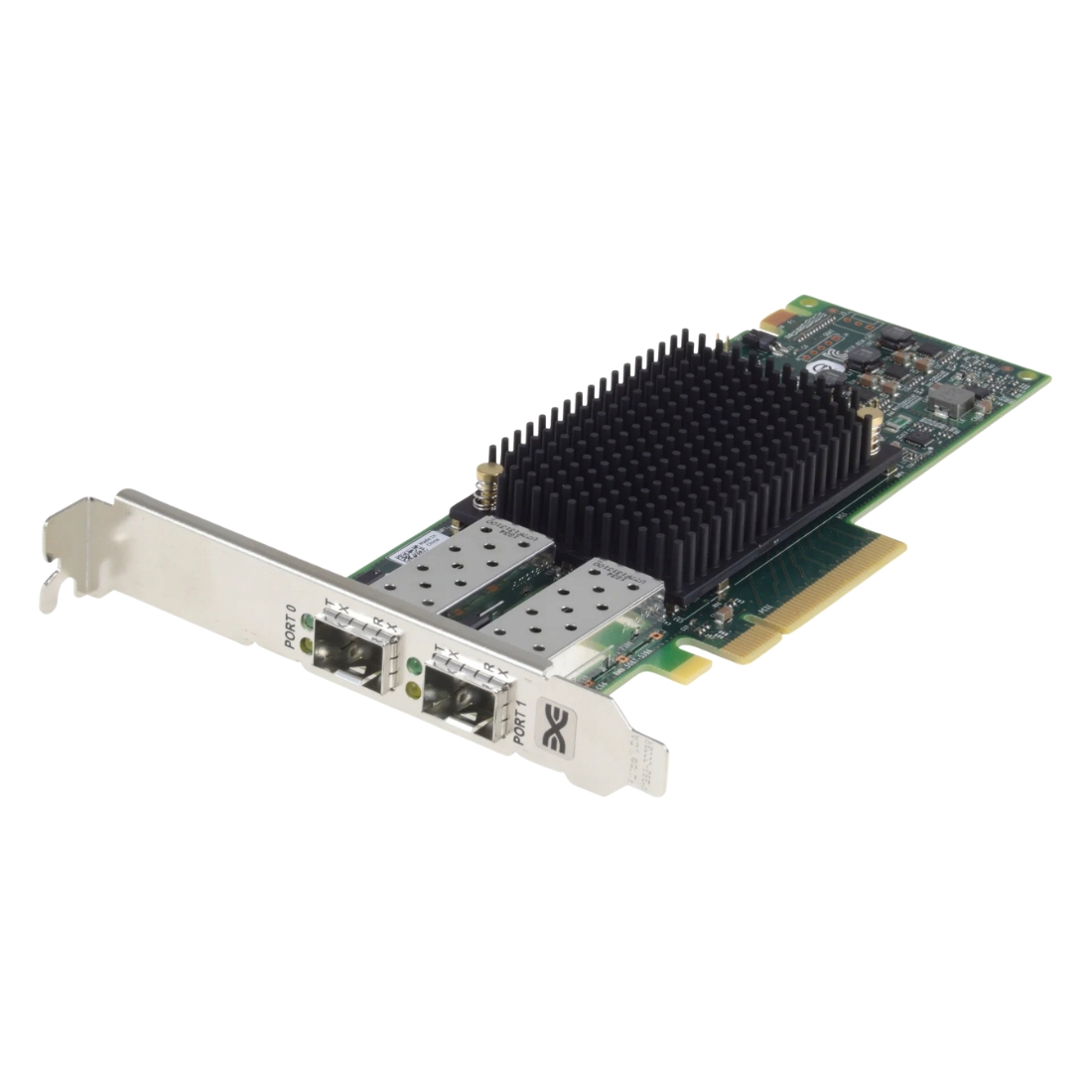
The JD577AR HP MSR Flexible Interface Card adds two 10/100 Mbps Ethernet ports to compatible HP MSR routers, enabling straightforward network expansions. It fits into router modules where flexible interface options are needed, providing adaptable connectivity without complex setup. |
General Information |
|
|---|---|
| Brand | HP |
Technical Information |
|
|---|---|
| Product Type | Network Interface Module (NIM) |
| Data Rate (Speed) | 10/100 Mbps |
| Data Center Bridging | No |
| Number of Ports | 2-Port (Dual) |
Connectivity & Physical |
|
|---|---|
| Form Factor | Mezzanine Card |
| Port Type | RJ-45 (Copper) |
| Cabling Type | Cat5e |
| Weight | 3.00 |
| Condition | Refurbished |
Miscellaneous |
|
|---|---|
| Assembly Required | No |
Product Description |
|---|
The JD577AR HP MSR 2 x Ports 10/100Base-TX Flexible Interface Card (FIC) is designed to expand network interface options for HP Multi-Service Routers (MSR). It provides two Fast Ethernet ports that allow for versatile uplink or LAN connectivity, commonly found in modular router setups. Built for network administrators and IT professionals managing mid-sized enterprise or branch office networks, this module enhances router flexibility and adapts to evolving network needs. Key Features
This interface card plays a practical role in extending the capability of MSR routers, allowing organizations to customize their network infrastructure efficiently. Its reliable performance supports steady connectivity and helps maintain network uptime. |
Use Cases |
|---|
The JD577AR interface card is typically deployed in branch office or mid-sized enterprise networks where versatile connectivity is essential. IT teams benefit from its modular design, which eases network adjustments and expansions. How It's Used:
By adding this flexible interface card, organizations can efficiently scale their network capabilities while maintaining control over hardware investments. This supports ongoing network adaptability and steady performance. |
 Shipping Options
 International Delivery
Requires a UPS, FedEx, or DHL account. Customers may arrange pickup from our US warehouse.
International Delivery
Requires a UPS, FedEx, or DHL account. Customers may arrange pickup from our US warehouse.
 Payment Methods
We accept Visa, Mastercard, AMEX, Discover, and Wire Transfer.
Payment Methods
We accept Visa, Mastercard, AMEX, Discover, and Wire Transfer.
 Purchase Orders
We process purchase orders for government agencies, enterprises, data centers, and SMBs.
Purchase Orders
We process purchase orders for government agencies, enterprises, data centers, and SMBs.