

Subscribe To Our Newsletter!
Subscribe to the newsletter to stay up to date with the latest news and most useful
Newsletter
↑
Back to Top



Product Overview |
|---|
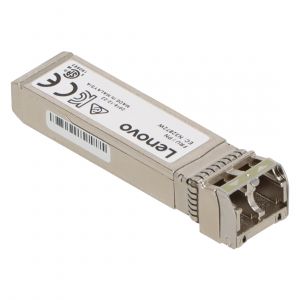
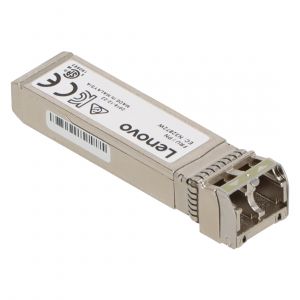
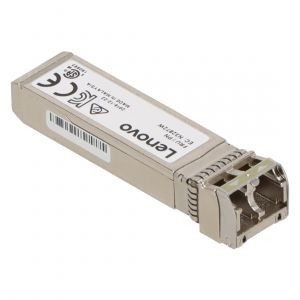
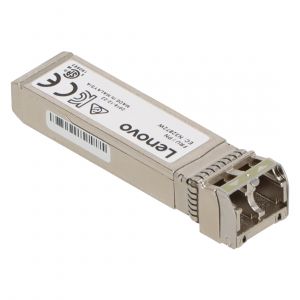
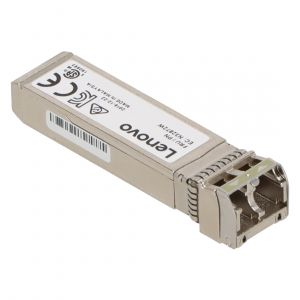
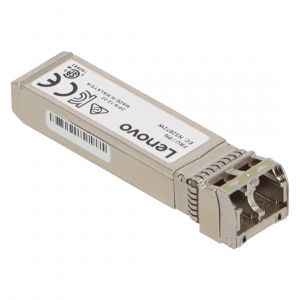
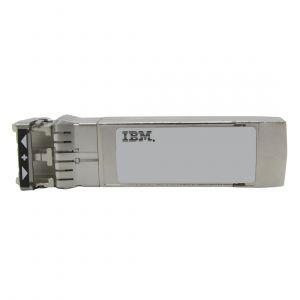
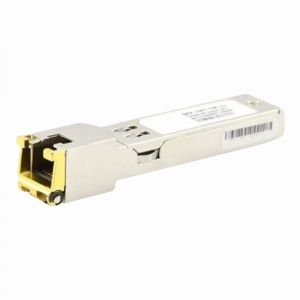
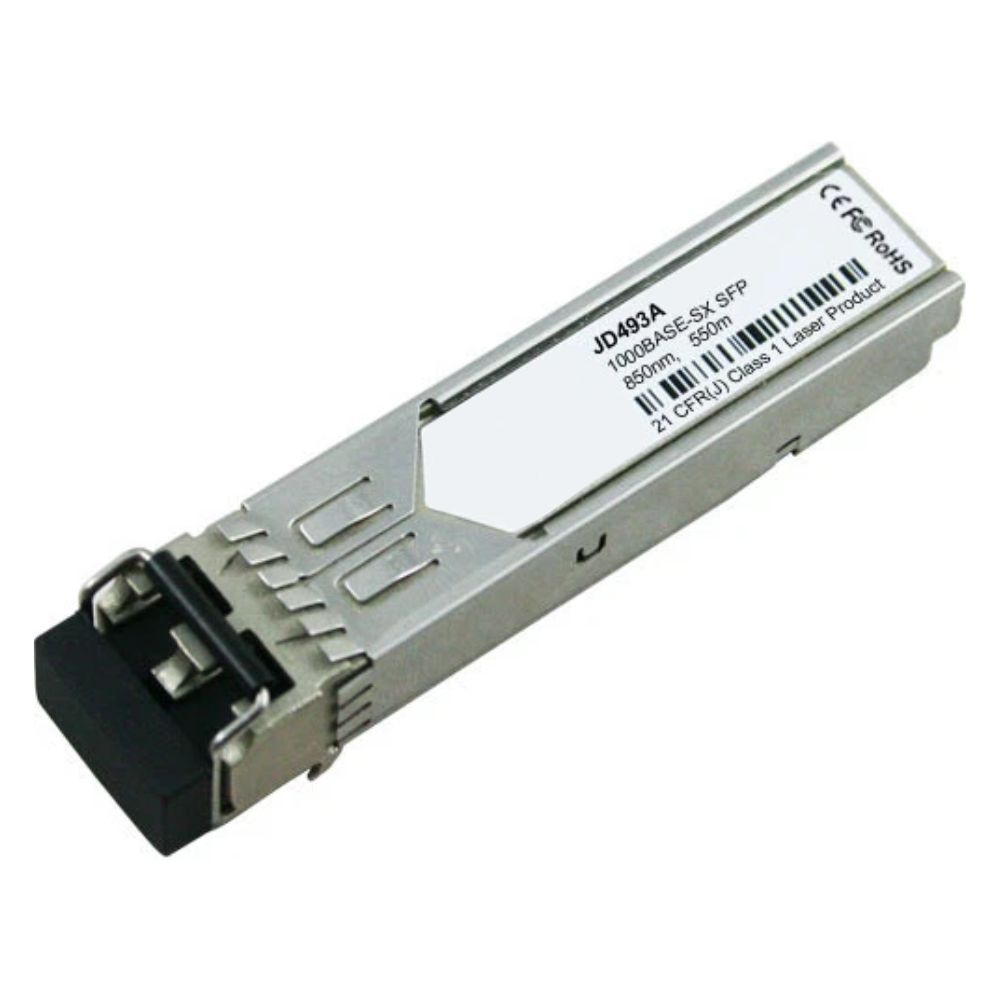
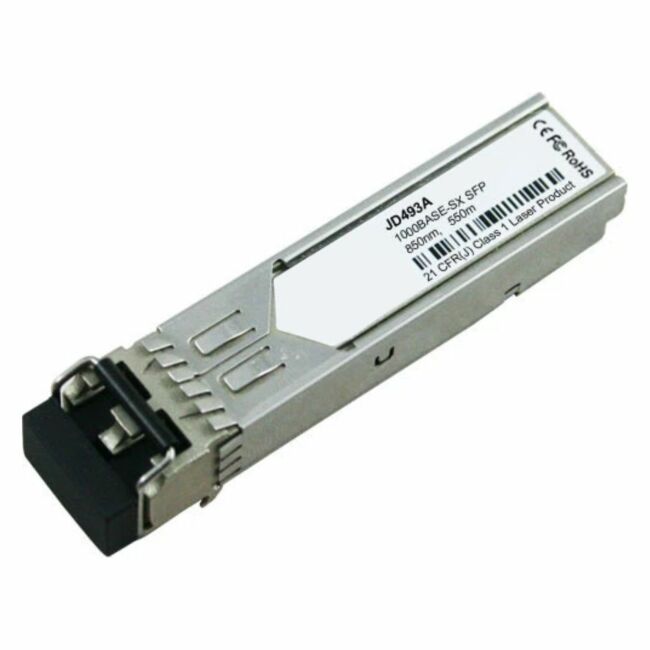
The JD493A HP 1Gb/s SFP transceiver enables 1 Gigabit Ethernet connections over multimode fiber. It uses an 850nm wavelength laser and LC connectors to support optical transmission distances of up to 550 meters. Its small form-factor pluggable design allows convenient insertion into compatible network devices. |
General Information |
|
|---|---|
| Brand | HP |
Technical Information |
|
|---|---|
| Form Factor | SFP |
| Media | MMF |
| Type | VCSEL |
| Protocols | 1000BASE-SX |
| Connector | LC Duplex |
| DOM Support | No |
Physical Characteristics |
|
|---|---|
| Weight | 3.00 |
| Condition | Refurbished |
Product Description |
|---|
The HP JD493A is a small form-factor pluggable (SFP) transceiver designed for 1 Gigabit per second network connections. It transmits and receives optical signals over multimode fiber (MMF), utilizing an 850nm wavelength. This transceiver is typically used in enterprise networking environments to connect switches, routers, or other optical network devices. Network administrators and technical buyers integrate this transceiver into their fiber optic infrastructure where medium-range links up to 550 meters are required. It fits into compatible SFP ports, providing optical connectivity using LC connectors. Key Features
This transceiver serves as a critical component in fiber optic networks, enabling reliable optical communication over moderate distances within campus or data center environments. It allows network equipment to interconnect using optical fiber, helping to maintain data integrity and manage network traffic efficiently. |
Use Cases |
|---|
The HP JD493A transceiver is primarily used in enterprise and data center environments where 1Gb/s fiber optic links are needed. It supports multimode fiber infrastructure with moderate reach requirements. How It's Used:
In these roles, the JD493A provides optical interface functionality necessary for fiber-based network segments. It supports maintaining structured fiber networks without introducing new cabling or hardware changes beyond the transceiver. |
FAQ's |
|---|
|
 Shipping Options
 International Delivery
Requires a UPS, FedEx, or DHL account. Customers may arrange pickup from our US warehouse.
 Payment Methods
We accept Visa, Mastercard, AMEX, Discover, and Wire Transfer.
 Purchase Orders
We process purchase orders for government agencies, enterprises, data centers, and SMBs.