

Subscribe To Our Newsletter!
Subscribe to the newsletter to stay up to date with the latest news and most useful
Newsletter
↑
Back to Top



Product Overview |
|---|
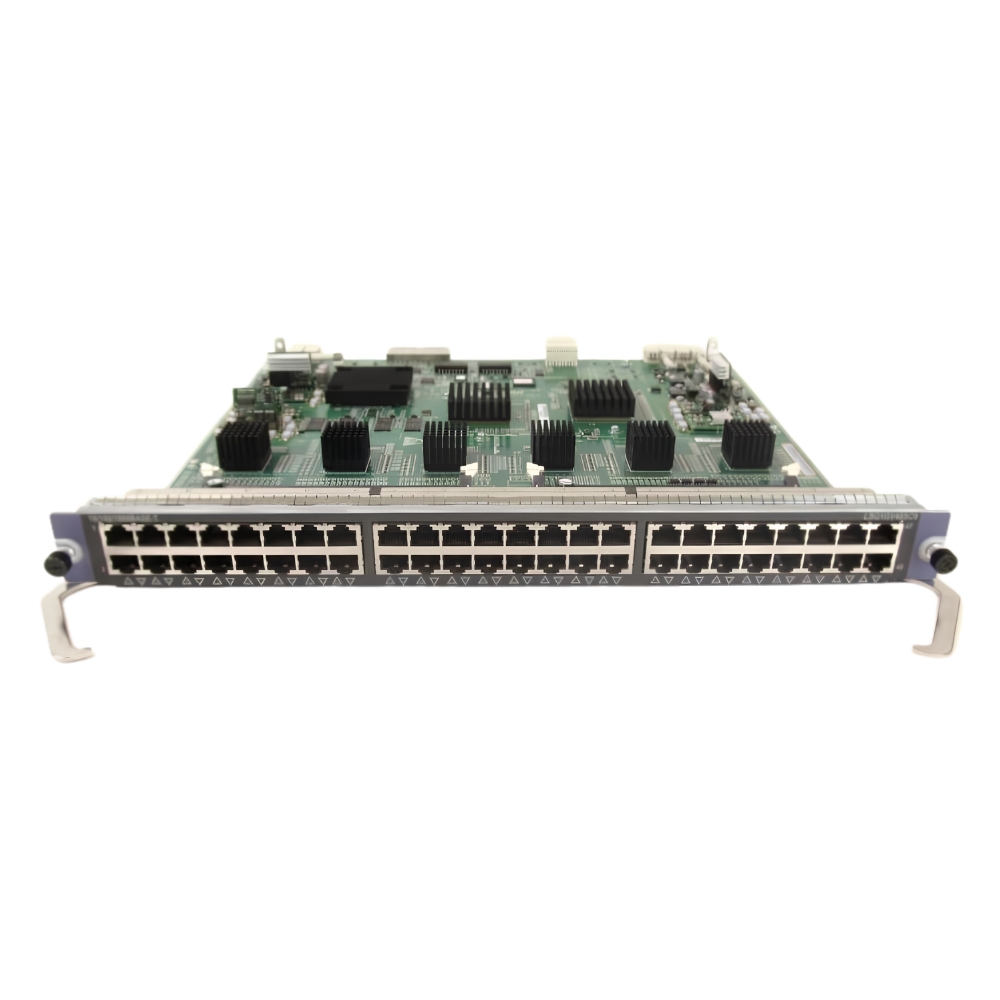
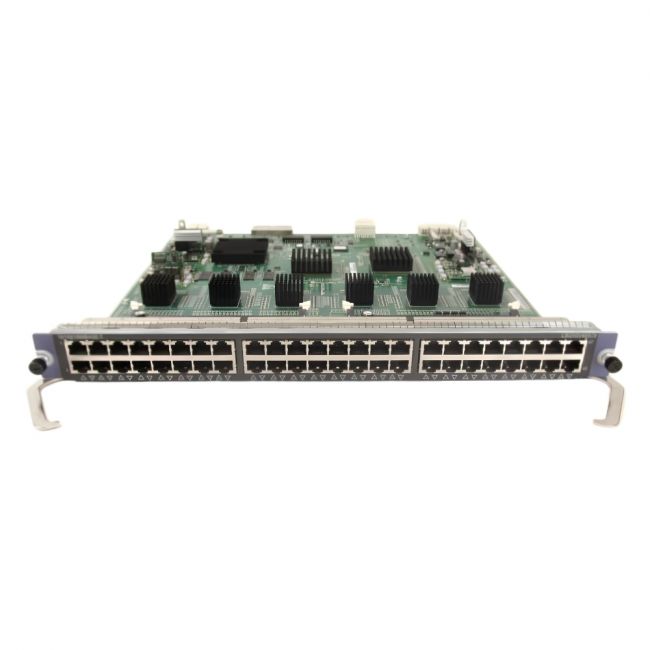
The JD211-61201 - HPE FlexNetwork 7500 48-Ports SFP SC Module enhances the fiber optic capacity of compatible network switches, fitting into environments that demand scalable high-density uplinks. It provides a modular solution to extend fiber connections with standard SC connectors, ensuring dependable network expansion without complex reconfiguration. |
General Information |
|
|---|---|
| Brand | HPE |
Technical Information |
|
|---|---|
| Ports | 48 |
| Compatibility | HPE FlexNetwork 7500 |
| Data Transfer Rate | 1 Gbps |
| Connector Type | SFP,SC |
Physical Characteristics |
|
|---|---|
| Weight | 3.00 |
| Condition | Refurbished |
Miscellaneous |
|
|---|---|
| Assembly Required | No |
| Compliance Standards | RoHS, CE, FCC |
Product Description |
|---|
The JD211-61201 module expands the port capacity of HPE FlexNetwork 7500 switches by adding 48 SFP fiber optic ports. It is commonly found in data center and enterprise network infrastructures where scalable uplink and high-bandwidth connections are required. Network engineers and IT professionals often use this module to enhance fiber connectivity while maintaining consistent performance. Key Features
This module serves a vital role in expanding fiber port options without compromising switch integrity or performance. Its reliability and compatibility ensure stable network operations, supporting continuous data flow across complex infrastructures. |
Use Cases |
|---|
This module is typically deployed in enterprise and data center networks requiring extensive fiber uplinks to support high-speed data transmission. It fits well in environments focused on scalability and modularity, serving network teams that prioritize flexible fiber integration and efficient port management. How It's Used:
By providing additional fiber ports with a standardized interface, this module helps maintain streamlined connectivity and adaptability in growing network architectures. It supports consistent performance and operational agility where fiber network expansion is essential. |
 Shipping Options
 International Delivery
Requires a UPS, FedEx, or DHL account. Customers may arrange pickup from our US warehouse.
 Payment Methods
We accept Visa, Mastercard, AMEX, Discover, and Wire Transfer.
 Purchase Orders
We process purchase orders for government agencies, enterprises, data centers, and SMBs.