

Subscribe To Our Newsletter!
Subscribe to the newsletter to stay up to date with the latest news and most useful
Newsletter
↑
Back to Top



Product Overview |
|---|
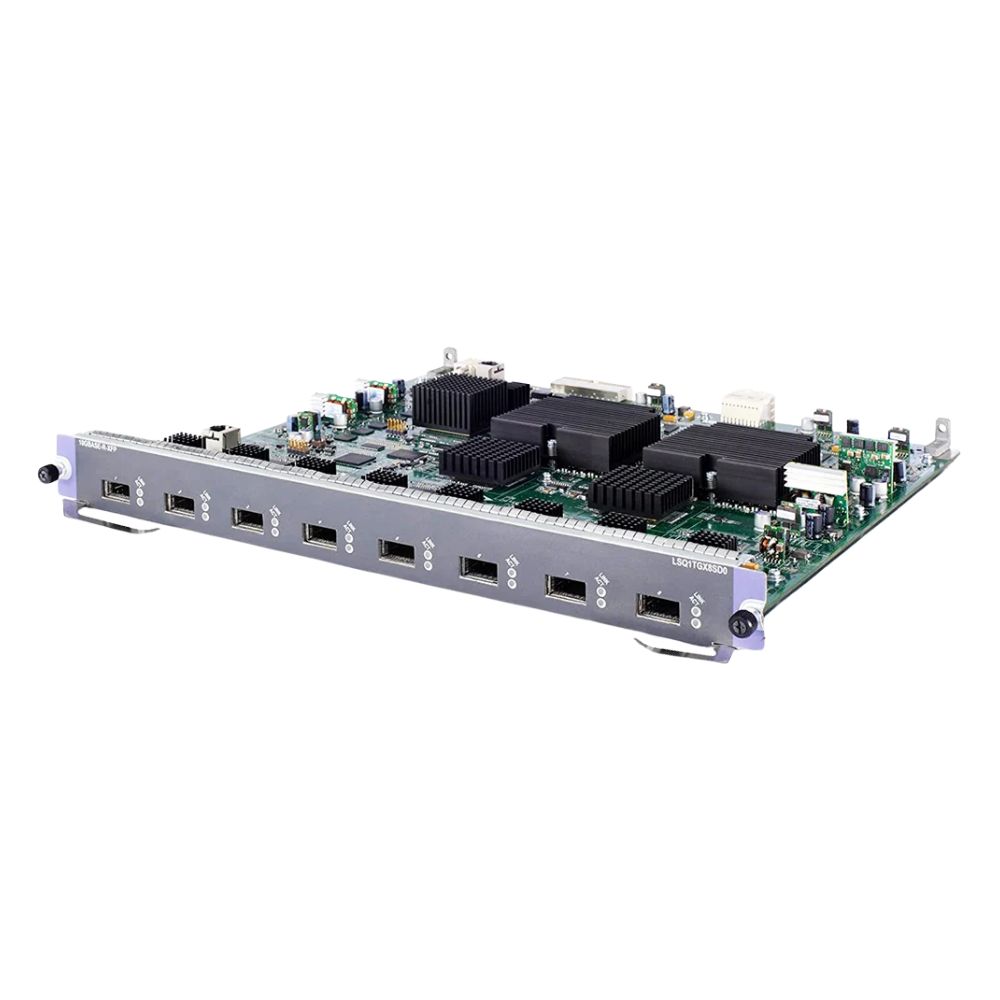
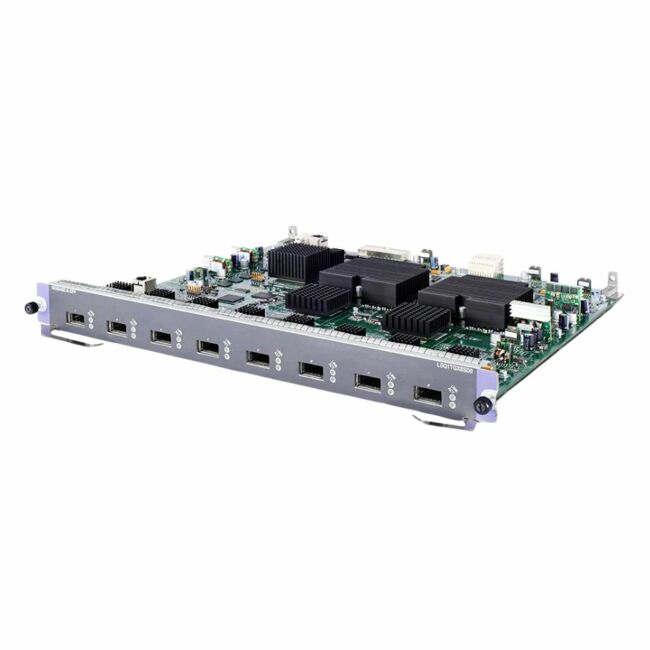
The JD191-61101 HPE 8 x Ports 10GbE XFP SD Module offers eight 10 Gigabit Ethernet ports using XFP transceivers, designed specifically for HPE networking systems requiring high-speed modular expansion. It fits into compatible HPE chassis, enabling increased network port density and bandwidth. |
General Information |
|
|---|---|
| Brand | HPE |
Technical Information |
|
|---|---|
| Ports | 8 |
| Data Transfer Rate | 10 Gbps |
| Connector Type | XFP |
Physical Characteristics |
|
|---|---|
| Weight | 3.00 |
| Condition | Refurbished |
Miscellaneous |
|
|---|---|
| Assembly Required | No |
| Compliance Standards | RoHS, CE, FCC, UL, cULus |
Product Description |
|---|
The JD191-61101 HPE 8 x Ports 10GbE XFP SD Module provides eight 10 Gigabit Ethernet ports using XFP transceiver interfaces. It is intended for integration into compatible HPE networking infrastructure, enabling expanded high-speed Ethernet connectivity. Typically utilized in enterprise and data center environments, this module suits network administrators and IT professionals looking to scale network capacity with 10GbE connections. It fits into HPE networking chassis that support this module type. Key Features
This module enables network scaling where multiple 10GbE connections are needed, providing a robust interface solution for demanding network workloads. Its use facilitates maintaining and expanding network performance within HPE hardware ecosystems. |
Use Cases |
|---|
This HPE module is typically deployed in enterprise data centers and large network installations requiring multiple 10GbE connections. It benefits environments with growing bandwidth demands and administrators who need flexible port expansion within HPE network equipment. How It's Used:
In operation, the module plays a role in increasing network throughput and port availability while fitting into established HPE hardware setups. It allows network managers to address bandwidth needs without replacing entire systems. |
FAQ's |
|---|
|
 Shipping Options
 International Delivery
Requires a UPS, FedEx, or DHL account. Customers may arrange pickup from our US warehouse.
 Payment Methods
We accept Visa, Mastercard, AMEX, Discover, and Wire Transfer.
 Purchase Orders
We process purchase orders for government agencies, enterprises, data centers, and SMBs.