

Subscribe To Our Newsletter!
Subscribe to the newsletter to stay up to date with the latest news and most useful
Newsletter
↑
Back to Top



Product Overview |
|---|
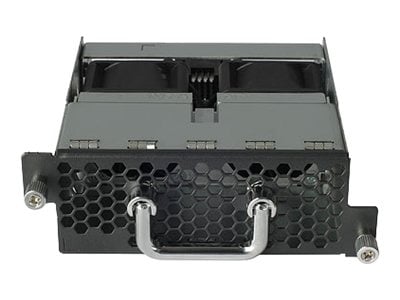
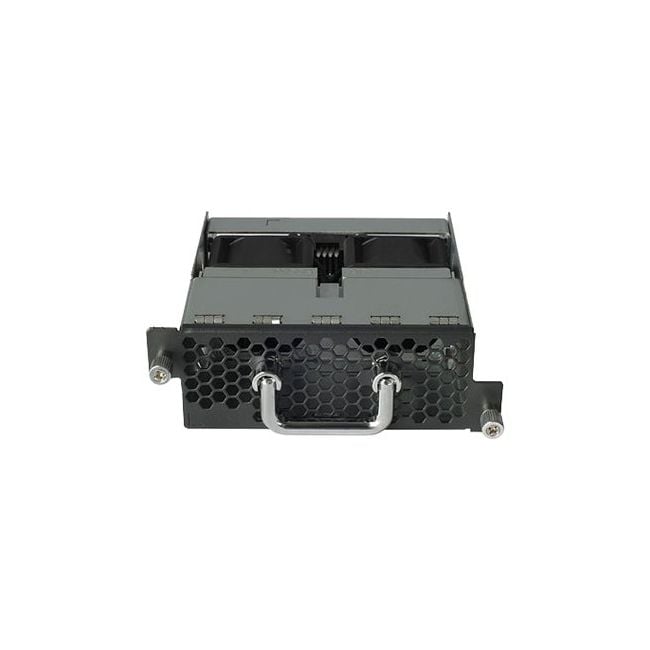
The HP JC682A Back to Front Airflow Network Device Fan Tray is designed to provide effective cooling by directing air in a back-to-front pattern. It fits specific HP network devices and helps maintain proper operating temperatures, making it a key component for reliable network infrastructure. |
General Information |
|
|---|---|
| Brand | HP |
Technical Specification |
|
|---|---|
| Component Type | Fan Tray |
| Cooling Method | Active |
| Airflow Direction | Back to Front |
Physical Characteristics |
|
|---|---|
| Weight | 5.00 |
| Condition | Refurbished |
Miscellaneous |
|
|---|---|
| Assembly Required | Yes |
| Eco Friendly | Yes |
| Compliance Standards | WEEE, RoHS, CE |
Product Description |
|---|
This HP JC682A fan tray is built to maintain the proper airflow within network devices, specifically designed for back-to-front cooling configurations. It plays a crucial role in keeping hardware operating within safe temperature ranges by circulating air effectively. Often found in enterprise network environments, this fan tray is essential for maintaining the reliability and longevity of equipment such as switches and routers. Network administrators and IT professionals rely on it to prevent overheating and ensure stable performance. Key Features
This fan tray is typically installed within data centers and network closets where maintaining controlled airflow is critical. By preventing heat buildup, it helps networks stay up and running smoothly without unexpected hardware failures. |
Use Cases |
|---|
The HP JC682A Back to Front Airflow Network Device Fan Tray is essential for maintaining optimal thermal conditions in high-density networking equipment. It is particularly suited for data centers and enterprise environments where efficient cooling directly impacts device longevity and network reliability. How It's Used:
By ensuring a back-to-front airflow pattern, this fan tray contributes to maintaining consistent operating temperatures, reducing the risk of component failures. Its role in effective heat dissipation supports scalability and performance across diverse network deployments. |
 Shipping Options
 International Delivery
Requires a UPS, FedEx, or DHL account. Customers may arrange pickup from our US warehouse.
International Delivery
Requires a UPS, FedEx, or DHL account. Customers may arrange pickup from our US warehouse.
 Payment Methods
We accept Visa, Mastercard, AMEX, Discover, and Wire Transfer.
Payment Methods
We accept Visa, Mastercard, AMEX, Discover, and Wire Transfer.
 Purchase Orders
We process purchase orders for government agencies, enterprises, data centers, and SMBs.
Purchase Orders
We process purchase orders for government agencies, enterprises, data centers, and SMBs.