

Subscribe To Our Newsletter!
Subscribe to the newsletter to stay up to date with the latest news and most useful
Newsletter
↑
Back to Top



Product Overview |
|---|
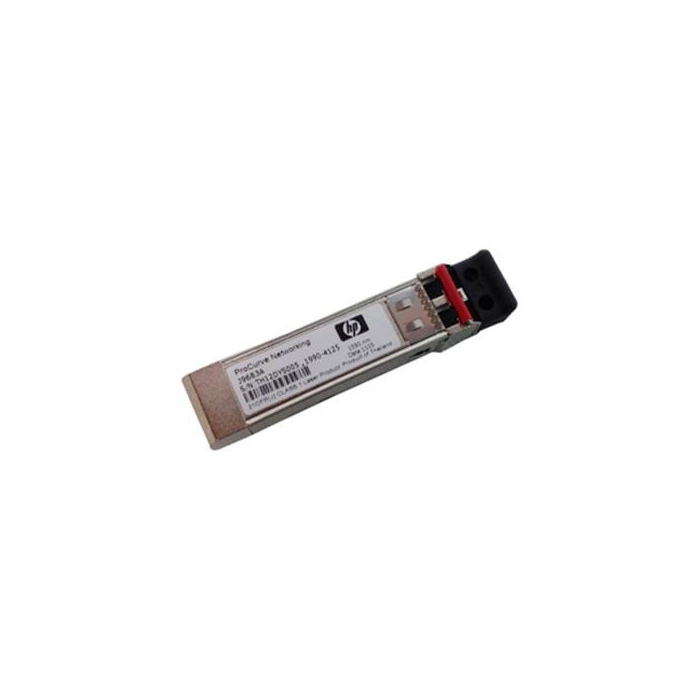
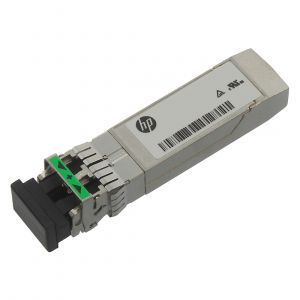
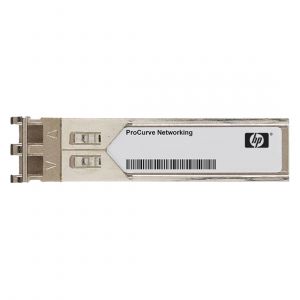
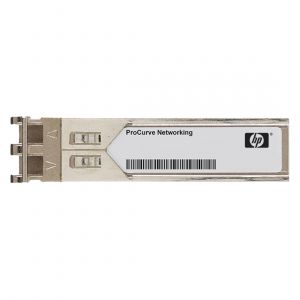
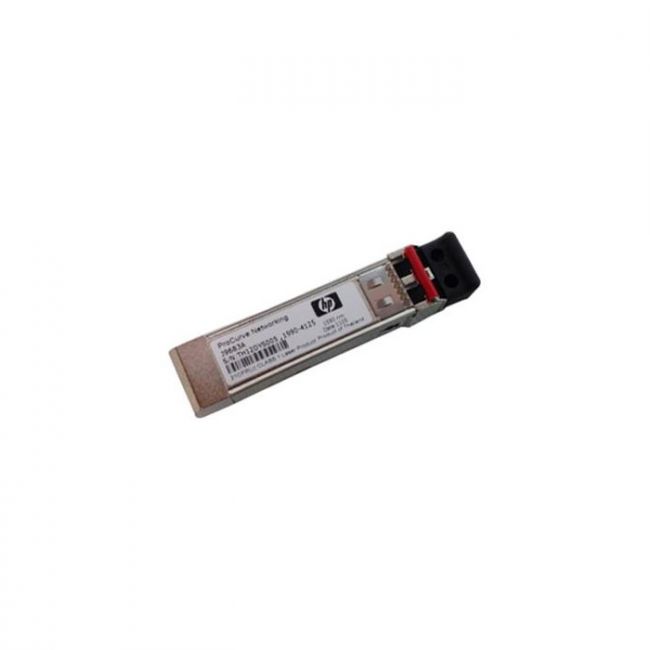
The J9683A HP X171 1Gbps 1000Base-CWDM Single-mode Fiber SFP transceiver module provides efficient fiber-optic communication over long distances. It fits standard SFP slots and is designed for use where reliable, high-speed fiber connectivity is needed across extended network segments. |
General Information |
|
|---|---|
| Brand | HP |
Technical Information |
|
|---|---|
| Form Factor | SFP |
| Media | SMF |
| Type | DFB CWDM |
| Protocols | 1000Base-CWDM |
| Connector | LC Duplex |
Physical Characteristics |
|
|---|---|
| Weight | 3.00 |
| Condition | Refurbished |
Product Description |
|---|
This transceiver module is designed to facilitate 1Gbps data transmission over single-mode fiber cables. It supports the 1000Base-CWDM protocol and operates at a 1590nm wavelength, making it suitable for extended distance links. Often found in enterprise and service provider networks, the module is built for environments requiring stable and long-range fiber optic connectivity. Network engineers and IT professionals typically deploy it within racks or fiber patch panels to extend network reach. Key Features
This transceiver module plays a crucial role in extending fiber network connectivity reliably across significant distances. Its compatibility and design ensure consistent performance in data transmission while maintaining straightforward installation processes. |
Use Cases |
|---|
This transceiver module is typically deployed in enterprise campuses, metropolitan area networks, and service provider infrastructures where single-mode fiber is used to bridge distant network nodes. It supports environments that require stable, long-haul optical links and benefits organizations aiming to optimize fiber infrastructure without complex setups. How It's Used:
By providing long-distance fiber connectivity, this module helps maintain network efficiency and scalability. It ensures steady data flow across dispersed network locations, supporting operational demands common in fiber-based deployments. |
 Shipping Options
 International Delivery
Requires a UPS, FedEx, or DHL account. Customers may arrange pickup from our US warehouse.
International Delivery
Requires a UPS, FedEx, or DHL account. Customers may arrange pickup from our US warehouse.
 Payment Methods
We accept Visa, Mastercard, AMEX, Discover, and Wire Transfer.
Payment Methods
We accept Visa, Mastercard, AMEX, Discover, and Wire Transfer.
 Purchase Orders
We process purchase orders for government agencies, enterprises, data centers, and SMBs.
Purchase Orders
We process purchase orders for government agencies, enterprises, data centers, and SMBs.