

Subscribe To Our Newsletter!
Subscribe to the newsletter to stay up to date with the latest news and most useful
Newsletter
↑
Back to Top



Product Overview |
|---|
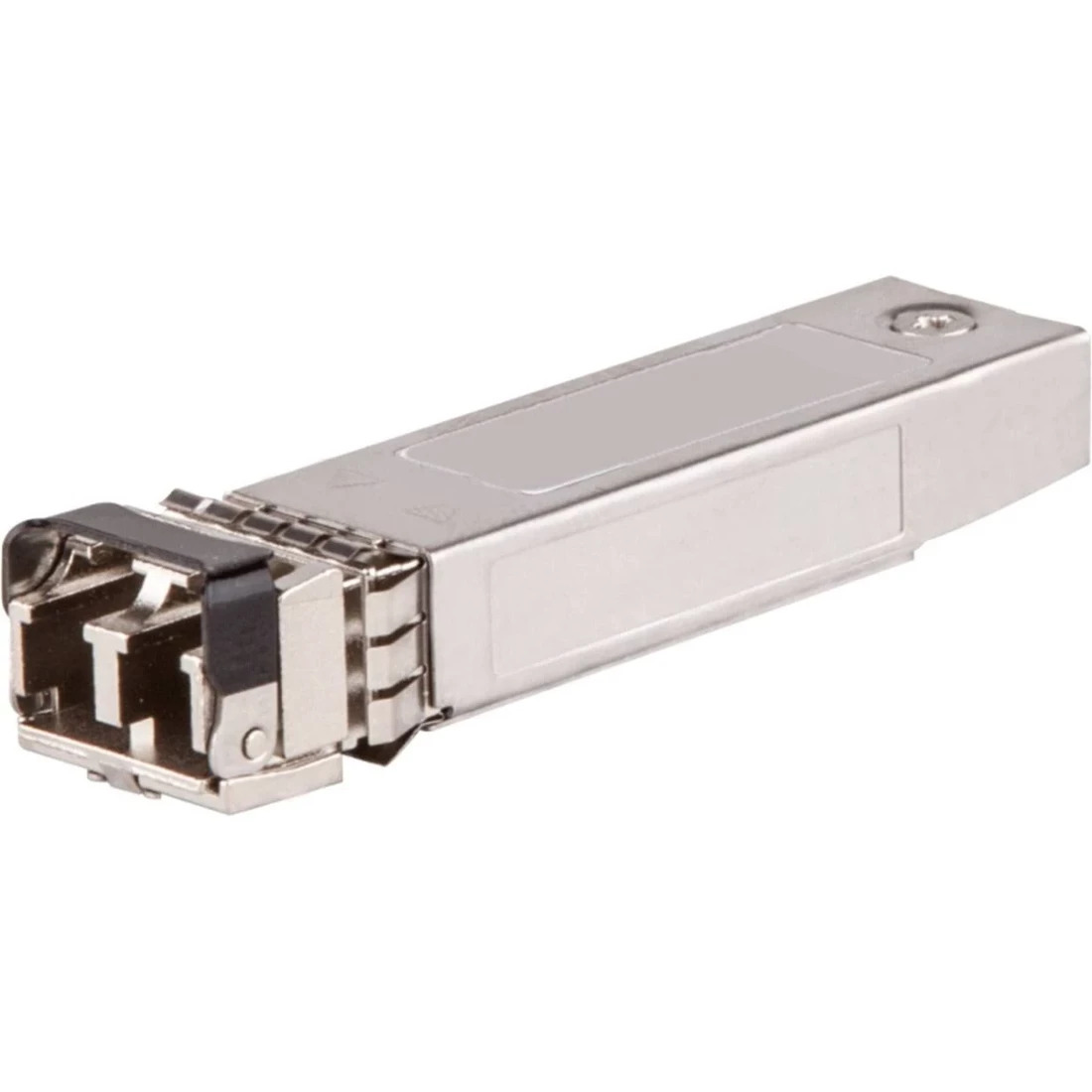
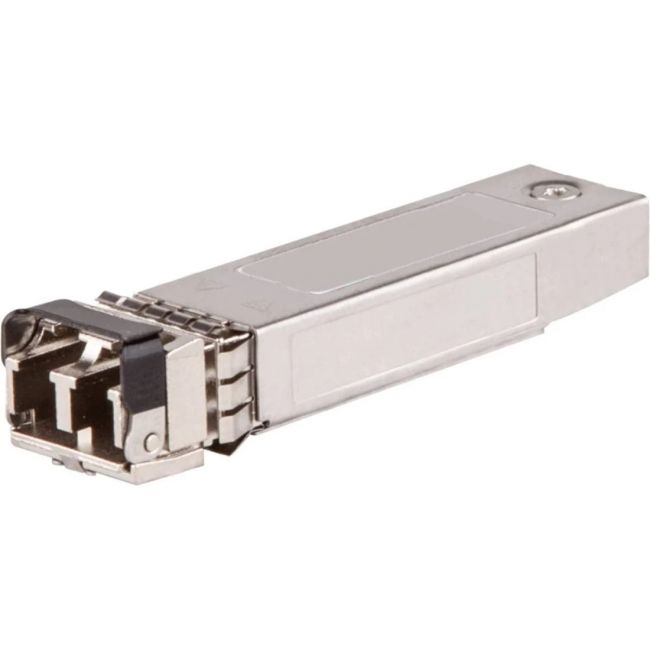
The J9054-61401 SFP transceiver module provides a reliable Gigabit Ethernet interface, fitting into compact Mini-GBIC slots on HPE networking devices. It supports both short and long-range fiber connections, making it a versatile component for various network setups. |
General Information |
|
|---|---|
| Brand | HPE |
| Part Number | J9054-61401 |
Technical Information |
|
|---|---|
| Form Factor | SFP |
| Protocols | GigE |
Physical Characteristics |
|
|---|---|
| Weight | 5.00 |
| Condition | Refurbished |
Product Description |
|---|
The J9054-61401 is an SFP transceiver module designed to facilitate Gigabit Ethernet connections. It is commonly used in network switches and routers to enable flexible fiber optic or copper network links. Often found in data centers and enterprise networks, this module is built for IT professionals and network administrators looking to maintain reliable high-speed connectivity. Key Features
This transceiver is typically deployed in enterprise LAN setups or data center infrastructure where flexible and scalable network expansion is required. It plays a vital role in ensuring smooth data transmission over fiber connections. |
Use Cases |
|---|
The J9054-61401 HPE Gigabit Ethernet SFP Mini-GBIC Transceiver Module is commonly deployed in professional networking environments requiring flexible and high-speed fiber connectivity. It is particularly suited for IT administrators and network engineers managing enterprise LANs, data center interconnects, or distributed office networks that demand reliable gigabit performance and compact form factors. How It's Used:
This transceiver module enhances network scalability and operational efficiency by enabling seamless integration of gigabit fiber links in constrained hardware environments. Its compatibility with HPE infrastructure ensures optimized performance and easy maintenance in complex network architectures. |
 Shipping Options
 International Delivery
Requires a UPS, FedEx, or DHL account. Customers may arrange pickup from our US warehouse.
International Delivery
Requires a UPS, FedEx, or DHL account. Customers may arrange pickup from our US warehouse.
 Payment Methods
We accept Visa, Mastercard, AMEX, Discover, and Wire Transfer.
Payment Methods
We accept Visa, Mastercard, AMEX, Discover, and Wire Transfer.
 Purchase Orders
We process purchase orders for government agencies, enterprises, data centers, and SMBs.
Purchase Orders
We process purchase orders for government agencies, enterprises, data centers, and SMBs.