

Subscribe To Our Newsletter!
Subscribe to the newsletter to stay up to date with the latest news and most useful
Newsletter
↑
Back to Top



Product Overview |
|---|
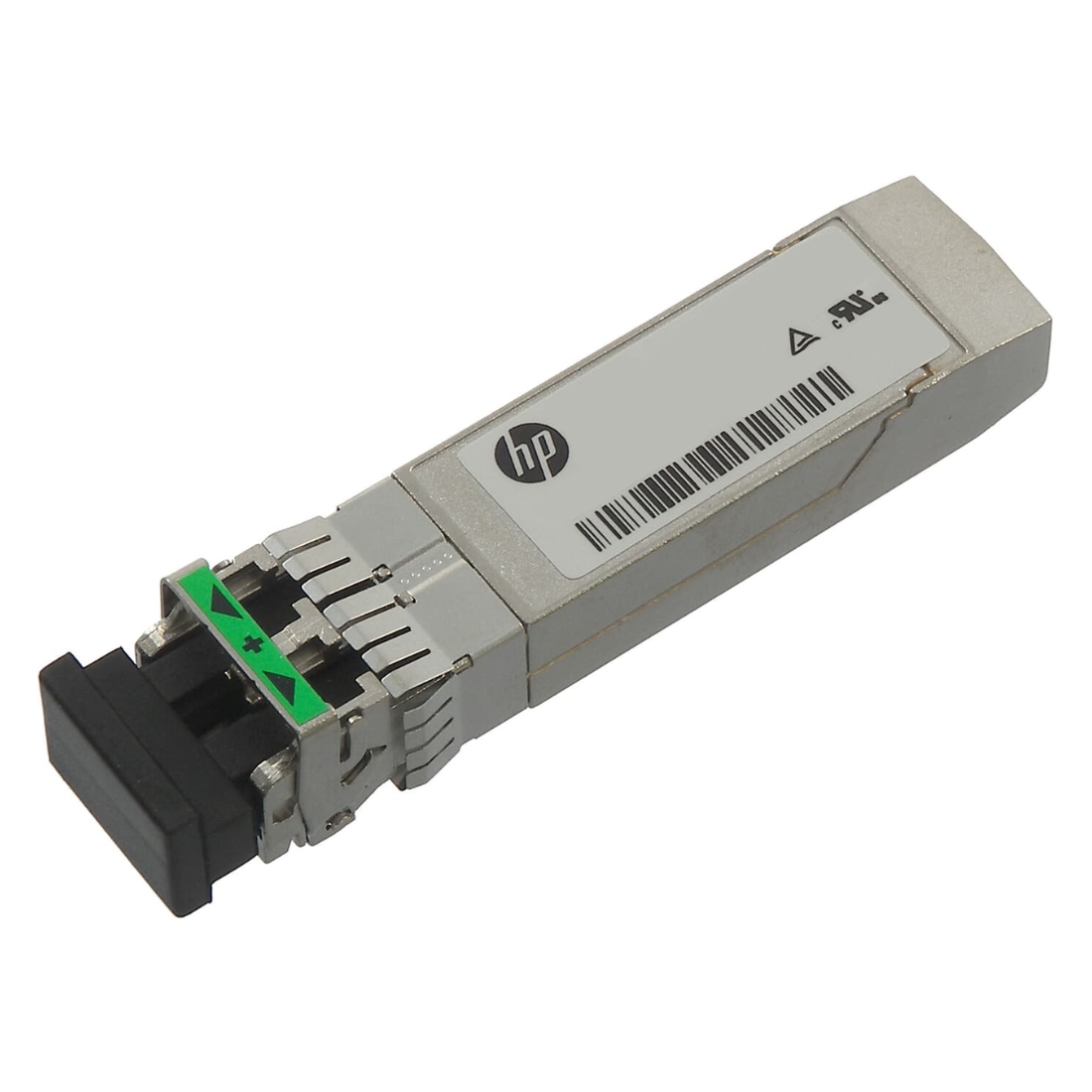
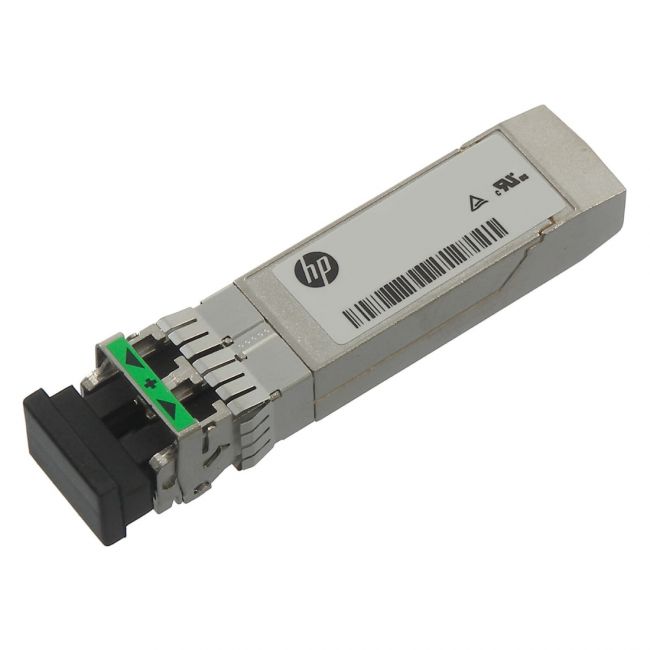
The J8177-61401 HPE Aruba Cat5e SFP Copper Transceiver Module is designed to provide copper Ethernet connectivity through a standard SFP (Mini-GBIC) slot. It supports data transmission over Cat5e copper cabling, making it suitable for integration with various HPE and Aruba network devices that feature compatible SFP ports. |
General Information |
|
|---|---|
| Brand | HPE |
Technical Information |
|
|---|---|
| Form Factor | SFP |
| Media | Cat 5e/6/6a (UTP) |
| Protocols | 1000BASE-T, Gigabit Ethernet (IEEE 802.3ab) |
| Connector | RJ-45 |
| DOM Support | No |
Physical Characteristics |
|
|---|---|
| Weight | 3.00 |
| Condition | Refurbished |
Product Description |
|---|
The J8177-61401 HPE Aruba Cat5e SFP Copper Transceiver Module is a hardware component used to establish network connections through copper cabling. It fits into SFP (Mini-GBIC) slots commonly found in switches and routers, enabling data transmission over Cat5e cabling. This transceiver module is typically used in enterprise networking environments where copper Ethernet connections are preferred or required. Network administrators and IT professionals deploy such modules to extend or upgrade the connectivity of network infrastructure devices. Key Features
This module provides a practical way to connect network switches and routers using existing copper cabling infrastructure. It simplifies the upgrade path for network setups requiring SFP ports to interface with copper cables, allowing for versatile deployment scenarios. |
Use Cases |
|---|
This transceiver module is commonly used in networking environments where existing infrastructure relies on Cat5e copper cables and where SFP slots are available on switches or routers. It serves organizations seeking to connect devices via copper Ethernet without replacing cabling. How It's Used:
Its role is to provide a standardized interface for copper-based Ethernet connections within enterprise-grade and compatible network equipment. This enables network administrators to maintain or expand network reach while utilizing existing copper wiring. |
FAQ's |
|---|
|
 Shipping Options
 International Delivery
Requires a UPS, FedEx, or DHL account. Customers may arrange pickup from our US warehouse.
 Payment Methods
We accept Visa, Mastercard, AMEX, Discover, and Wire Transfer.
 Purchase Orders
We process purchase orders for government agencies, enterprises, data centers, and SMBs.