

Subscribe To Our Newsletter!
Subscribe to the newsletter to stay up to date with the latest news and most useful
Newsletter
↑
Back to Top



Product Overview |
|---|
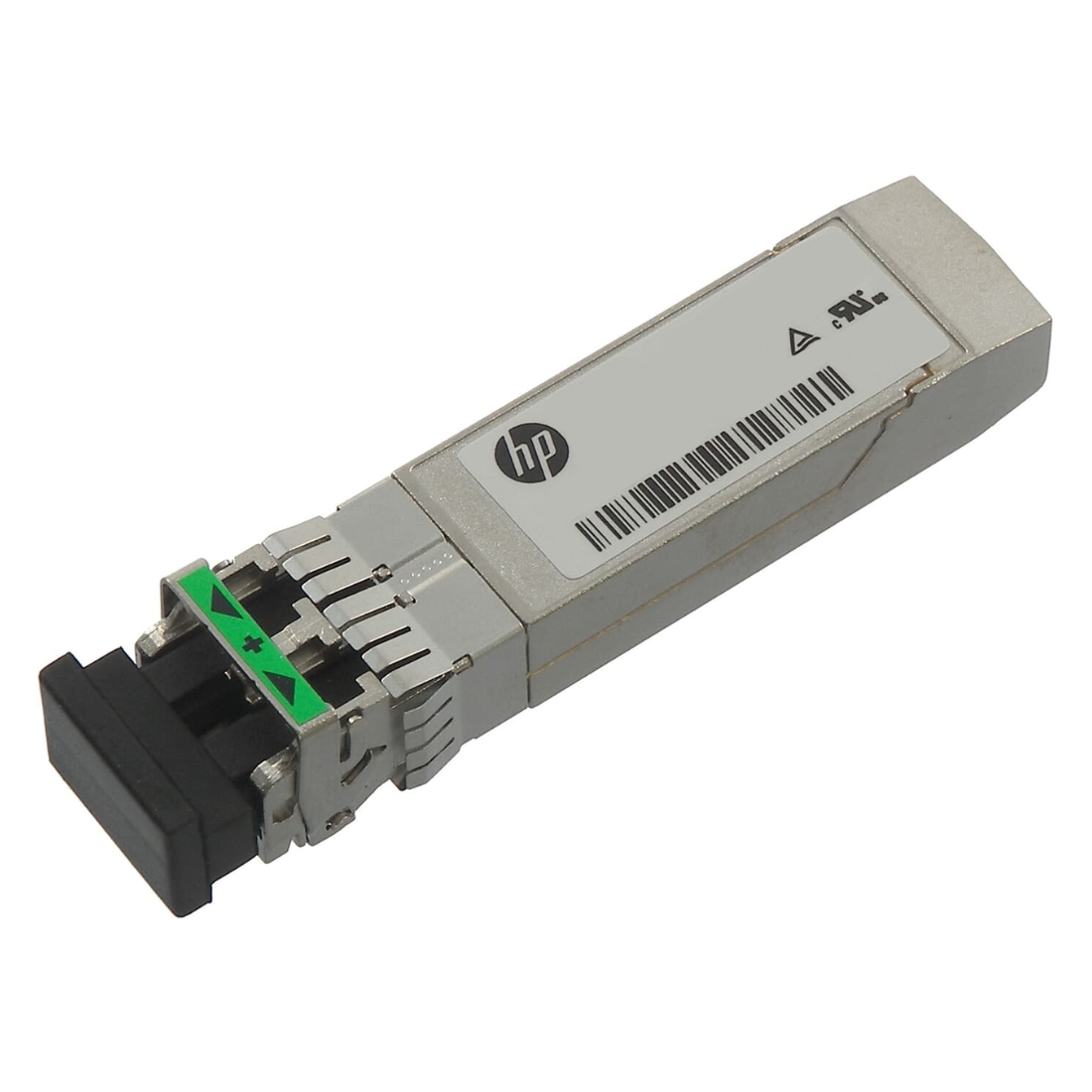
The J4834-60001 transceiver converts copper cable connections into gigabit network links using an RJ-45 interface, fitting seamlessly into HP networking hardware. It supports short-range, high-speed data transmission typical of office and data center environments where copper cabling remains standard. |
General Information |
|
|---|---|
| Brand | HP |
Technical Information |
|
|---|---|
| Media | Cat 5e/6/6a (UTP) |
| Protocols | 1000BASE-T, IEEE 802.3ab (Gigabit Ethernet) |
| Connector | RJ-45 |
| DOM Support | No |
Physical Characteristics |
|
|---|---|
| Weight | 3.00 |
| Condition | Refurbished |
Product Description |
|---|
The J4834-60001 is a copper-mode transceiver designed to deliver 1Gb/s network connectivity through an RJ-45 interface. It is commonly deployed in data communication environments where copper cabling is preferred for short-distance high-speed connections. Built for network administrators and IT professionals managing HP network switches, this transceiver provides reliable and straightforward integration for upgrading or maintaining gigabit Ethernet capabilities. Key Features
This transceiver plays a crucial role in maintaining efficient network infrastructure by enabling fast and stable copper-based links. Its consistent performance ensures smooth data transfer in enterprise and SMB network setups. The straightforward design minimizes complexity during deployment and helps sustain network reliability. |
Use Cases |
|---|
The J4834-60001 transceiver is typically used in environments requiring reliable gigabit Ethernet over copper, such as enterprise wiring closets or network aggregation points. IT teams and network engineers benefit from its compatibility with existing copper infrastructure and HP hardware. How It's Used:
This transceiver supports network scalability by delivering consistent gigabit performance over copper. Its use in typical office and data center environments helps maintain operational efficiency without complex infrastructure changes. |
 Shipping Options
 International Delivery
Requires a UPS, FedEx, or DHL account. Customers may arrange pickup from our US warehouse.
International Delivery
Requires a UPS, FedEx, or DHL account. Customers may arrange pickup from our US warehouse.
 Payment Methods
We accept Visa, Mastercard, AMEX, Discover, and Wire Transfer.
Payment Methods
We accept Visa, Mastercard, AMEX, Discover, and Wire Transfer.
 Purchase Orders
We process purchase orders for government agencies, enterprises, data centers, and SMBs.
Purchase Orders
We process purchase orders for government agencies, enterprises, data centers, and SMBs.