

Subscribe To Our Newsletter!
Subscribe to the newsletter to stay up to date with the latest news and most useful
Newsletter
↑
Back to Top



Product Overview |
|---|
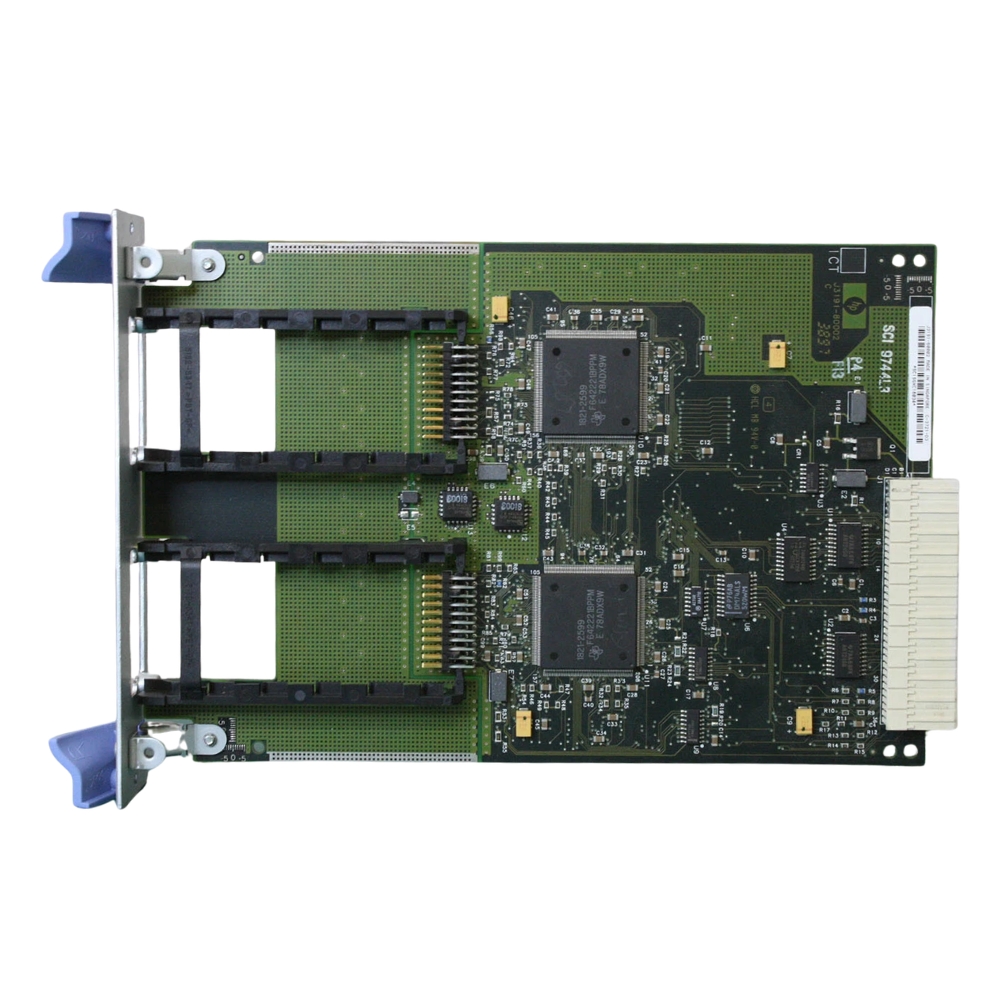
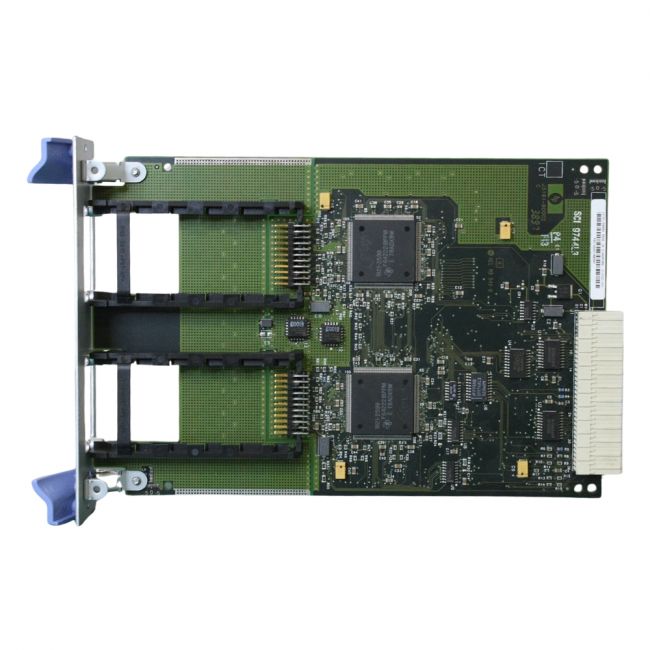
The J3191-61101 module expands HP AdvanceStack switches by adding two Fast Ethernet 100Base-TX ports for enhanced network connectivity. It fits into modular switch setups, providing additional Ethernet access without requiring separate devices, making it a practical solution for augmenting existing network hardware. |
General Information |
|
|---|---|
| Brand | HP |
Technical Information |
|
|---|---|
| Ports | 2 |
| Compatibility | HP AdvanceStack-enabled switches (HP ProCurve AdvanceStack) |
| Data Transfer Rate | 100 Mbps (100Base-TX) |
| Connector Type | RJ-45 |
Physical Characteristics |
|
|---|---|
| Weight | 3.00 |
| Condition | Refurbished |
Miscellaneous |
|
|---|---|
| Assembly Required | No |
| Eco Friendly | Yes |
| Compliance Standards | WEEE, RoHS, CE, FCC |
Product Description |
|---|
The J3191-61101 module delivers two Fast Ethernet 100Base-TX ports to extend the connectivity options of HP AdvanceStack switches. It is commonly found in modular switch chassis where expanding port capacity is necessary without deploying new standalone switches. IT professionals managing network hardware benefit from this module's straightforward installation and integration capabilities. Key Features
This switch module plays an essential role in expanding network infrastructure by adding dedicated Fast Ethernet ports where needed. Its dependable build and straightforward operation help maintain network stability and manageability within existing systems. |
Use Cases |
|---|
This module is typically used in network environments where modular switch chassis are deployed, such as enterprise IT infrastructures and data centers. It is especially useful where expanding port availability is necessary while maintaining integration with existing HP AdvanceStack systems. How It's Used:
By enabling precise scaling of network ports, this module supports operational efficiency and flexibility in structured networking environments. It helps maintain consistent performance and manageability as network demands grow. |
 Shipping Options
 International Delivery
Requires a UPS, FedEx, or DHL account. Customers may arrange pickup from our US warehouse.
International Delivery
Requires a UPS, FedEx, or DHL account. Customers may arrange pickup from our US warehouse.
 Payment Methods
We accept Visa, Mastercard, AMEX, Discover, and Wire Transfer.
Payment Methods
We accept Visa, Mastercard, AMEX, Discover, and Wire Transfer.
 Purchase Orders
We process purchase orders for government agencies, enterprises, data centers, and SMBs.
Purchase Orders
We process purchase orders for government agencies, enterprises, data centers, and SMBs.