

Subscribe To Our Newsletter!
Subscribe to the newsletter to stay up to date with the latest news and most useful
Newsletter
↑
Back to Top



Product Overview |
|---|
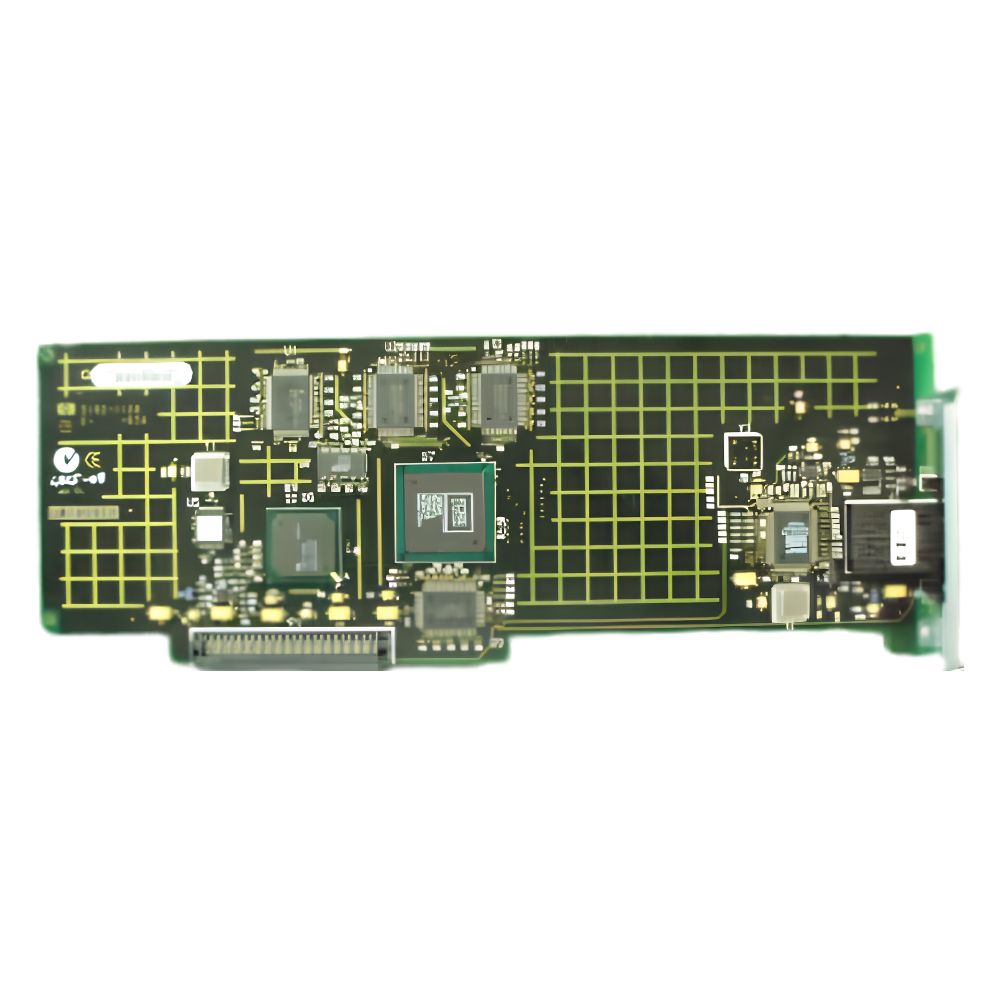
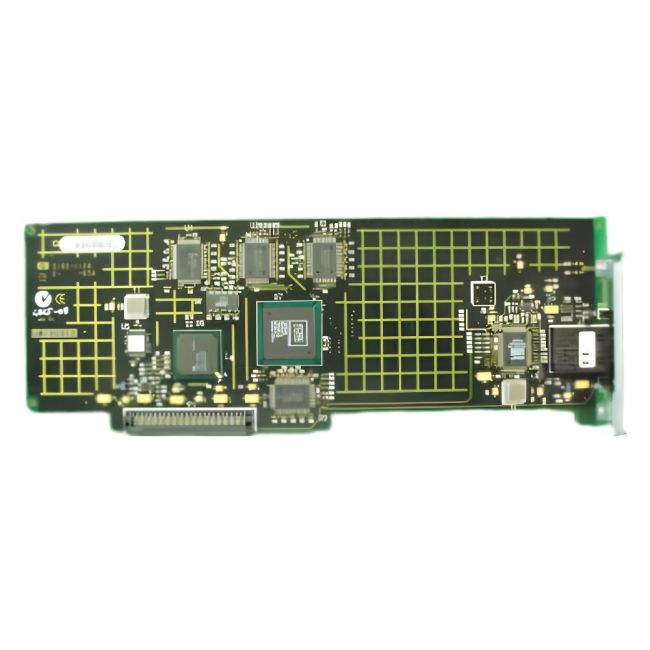
The J2499A HP 800 Series D-Class 155Mb/s ATM HSC Adapter is a network interface card designed to support ATM communication at 155 Mb/s, fitting into HP 800 Series systems. It enables the transmission and reception of ATM cells, facilitating high-speed connectivity in ATM network environments. |
General Information |
|
|---|---|
| Brand | HP |
Technical Information |
|
|---|---|
| Port Count | 1-Port (Single) |
Physical Characteristics |
|
|---|---|
| Weight | 3.00 |
| Condition | Refurbished |
Miscellaneous |
|
|---|---|
| Assembly Required | No |
| Compliance Standards | RoHS, CE, FCC |
Product Description |
|---|
The J2499A HP 800 Series D-Class 155Mb/s ATM HSC Adapter is a specialized network interface card designed to handle Asynchronous Transfer Mode (ATM) communication at 155 Megabits per second. This adapter is typically deployed in networking hardware environments requiring ATM protocol support for high-speed data transmission. IT professionals and network administrators commonly integrate this adapter within HP networking systems to facilitate efficient ATM traffic management and connectivity. Key Features
This adapter serves a critical role in maintaining ATM network operations, providing the necessary interface and bandwidth for ATM traffic. It is a key component for environments where ATM protocol is required, supporting effective network communication and data handling. |
Use Cases |
|---|
This adapter is typically used in enterprise or service provider networks that employ ATM technology for data transport. It is suited for network segments requiring 155 Mb/s ATM connections and is used by network engineers managing ATM-based infrastructures. How It's Used:
The adapter plays an essential role in maintaining ATM network pathways and throughput. It allows organizations relying on ATM to continue utilizing this protocol within HP network architectures, ensuring proper data flow and network functionality. |
FAQ's |
|---|
|
 Shipping Options
 International Delivery
Requires a UPS, FedEx, or DHL account. Customers may arrange pickup from our US warehouse.
 Payment Methods
We accept Visa, Mastercard, AMEX, Discover, and Wire Transfer.
 Purchase Orders
We process purchase orders for government agencies, enterprises, data centers, and SMBs.