

Subscribe To Our Newsletter!
Subscribe to the newsletter to stay up to date with the latest news and most useful
Newsletter
↑
Back to Top



Product Overview |
|---|
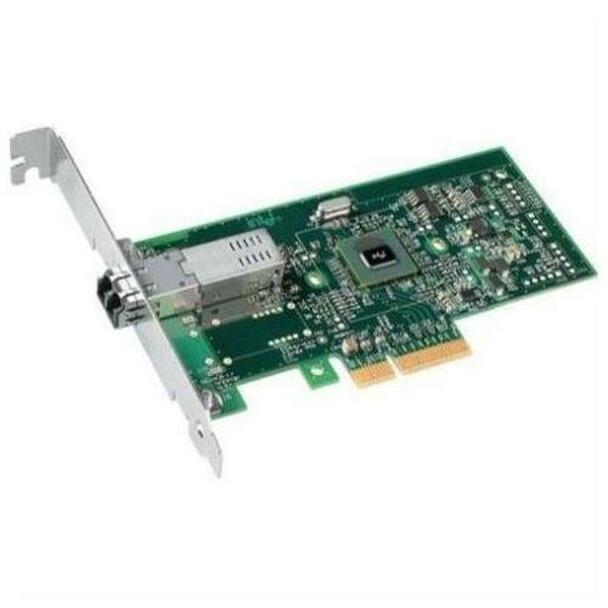
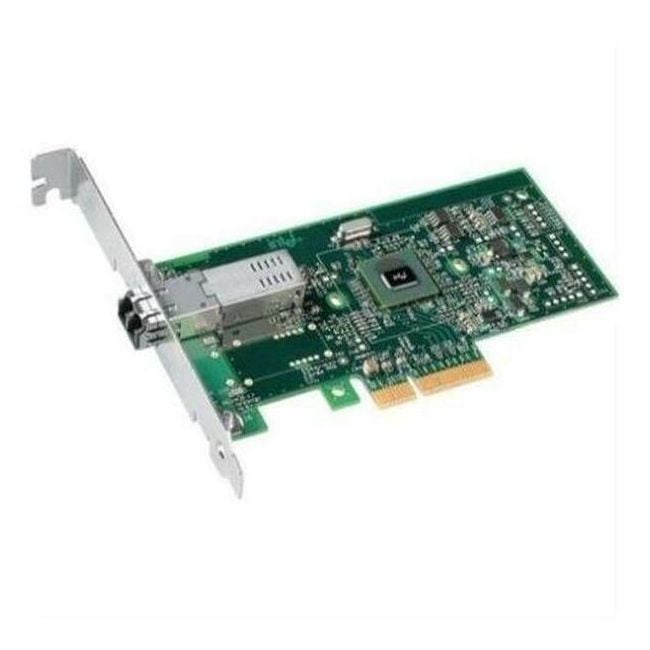
The IBM Auto LAN Streamer PCI Token Ring Adapter connects IBM RS-6000 systems to Token Ring LANs, supporting 16 Mbps speeds and compatibility with legacy network setups. It fits into a PCI slot and integrates smoothly with IBM’s Auto LAN Streamer software, making it a practical solution for maintaining older network environments. |
General Information |
|
|---|---|
| Brand | IBM |
| Part Number | 07L8904 |
Connectivity & Physical |
|
|---|---|
| Weight | 3.00 |
| Condition | Refurbished |
Product Description |
|---|
The IBM Auto LAN Streamer PCI Token Ring Adapter is built for IBM RS-6000 workstations and servers, allowing connection to Token Ring networks at 16 Mbps speeds. It’s often found in environments where legacy Token Ring infrastructure is still in use, providing network access without needing to upgrade existing cabling. Typically, system administrators and IT professionals managing older IBM systems use this adapter to maintain stable network communication within their established LAN setups. Key Features
This adapter is commonly deployed in offices or data centers where Token Ring networks remain operational. It plays a key role in keeping older IBM machines online and communicating effectively, extending the useful life of existing network hardware. |
Use Cases |
|---|
The IBM Auto LAN Streamer PCI Token Ring Adapter is primarily used in legacy IBM RS-6000 systems requiring stable connectivity within existing Token Ring network infrastructures. It is particularly beneficial in environments where maintaining operational continuity with older hardware and software configurations is critical, such as institutional data centers and specialized enterprise IT setups. How It's Used:
This adapter ensures continuity for legacy Token Ring networks by providing a stable and compatible interface for RS-6000 systems, allowing organizations to extend the operational lifespan of critical workloads without disruption. Its integration supports consistent network performance and aids in managing specialized environments where modern network upgrades are not feasible. |
 Shipping Options
 International Delivery
Requires a UPS, FedEx, or DHL account. Customers may arrange pickup from our US warehouse.
International Delivery
Requires a UPS, FedEx, or DHL account. Customers may arrange pickup from our US warehouse.
 Payment Methods
We accept Visa, Mastercard, AMEX, Discover, and Wire Transfer.
Payment Methods
We accept Visa, Mastercard, AMEX, Discover, and Wire Transfer.
 Purchase Orders
We process purchase orders for government agencies, enterprises, data centers, and SMBs.
Purchase Orders
We process purchase orders for government agencies, enterprises, data centers, and SMBs.