

Subscribe To Our Newsletter!
Subscribe to the newsletter to stay up to date with the latest news and most useful
Newsletter
↑
Back to Top



Product Overview |
|---|
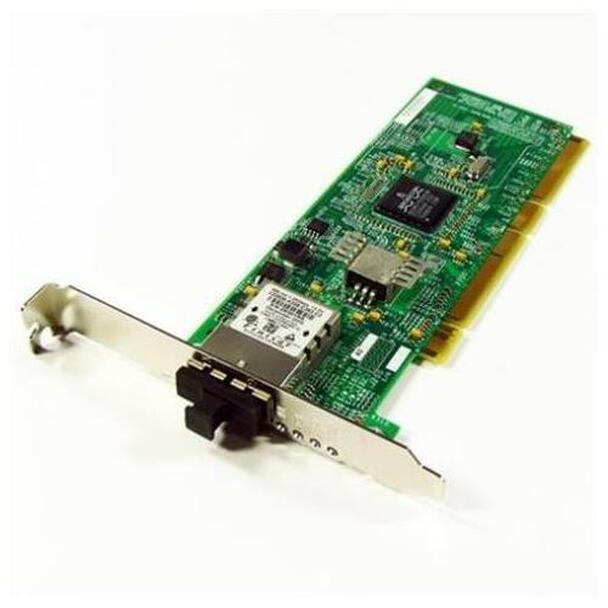
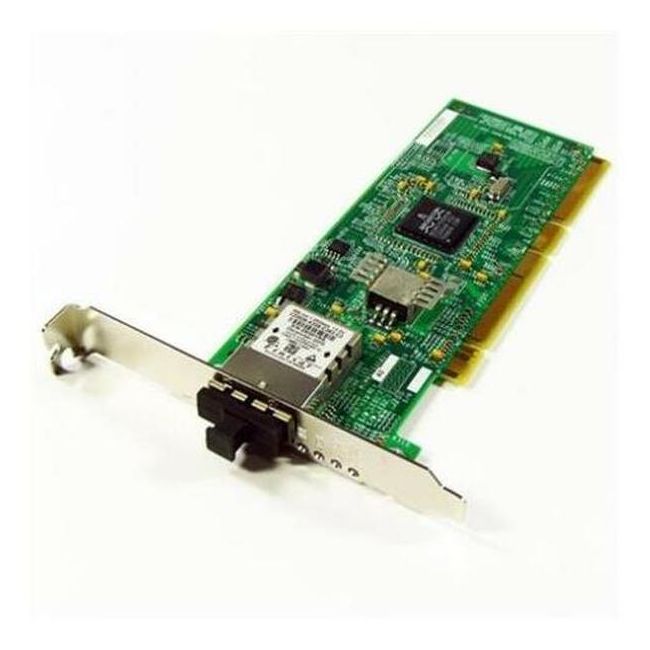
The IBM 10/100Mbps Ethernet Micro Channel Adapter enables reliable network communication in systems that use the Micro Channel architecture. It fits into specialized slots on IBM hardware, supporting both 10 and 100 Mbps speeds to match network demands. This adapter is practical for environments relying on older IBM machines that need efficient Ethernet connectivity without additional hardware changes. |
General Information |
|
|---|---|
| Brand | IBM |
| Part Number | 07L6605 |
Connectivity & Physical |
|
|---|---|
| Weight | 3.00 |
| Condition | Refurbished |
Product Description |
|---|
This IBM 10/100Mbps Ethernet Micro Channel Adapter provides a dependable network connection, capable of handling both 10 Mbps and 100 Mbps speeds. It's built for systems using the Micro Channel architecture, commonly found in older IBM servers and workstations. Often used in enterprise environments where legacy hardware is still in operation, this adapter helps maintain network communication without the need for complete system upgrades. It mainly benefits IT professionals managing legacy IBM setups requiring consistent Ethernet access. Key Features
Typically deployed within older IBM server rooms or workstations, this adapter ensures continued network support without replacing entire systems. It allows organizations to keep legacy machines connected and functional in their existing network setups. |
Use Cases |
|---|
The IBM 10/100Mbps Ethernet Micro Channel Adapter is predominantly used in legacy IBM systems that require integration with modern Ethernet networks. IT environments maintaining older Micro Channel architecture hardware benefit most from this adapter to extend hardware lifespan and ensure network compatibility without extensive upgrades. How It's Used:
This adapter helps sustain operational efficiency by bridging older hardware with current network standards, reducing the need for costly system overhauls. Its ability to support dual-speed Ethernet ensures scalable network performance aligned with varying workload demands in legacy system environments. |
 Shipping Options
 International Delivery
Requires a UPS, FedEx, or DHL account. Customers may arrange pickup from our US warehouse.
 Payment Methods
We accept Visa, Mastercard, AMEX, Discover, and Wire Transfer.
 Purchase Orders
We process purchase orders for government agencies, enterprises, data centers, and SMBs.