

Subscribe To Our Newsletter!
Subscribe to the newsletter to stay up to date with the latest news and most useful
Newsletter
↑
Back to Top



Product Overview |
|---|
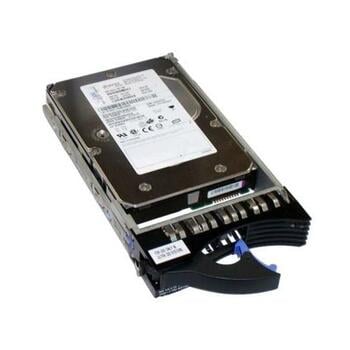
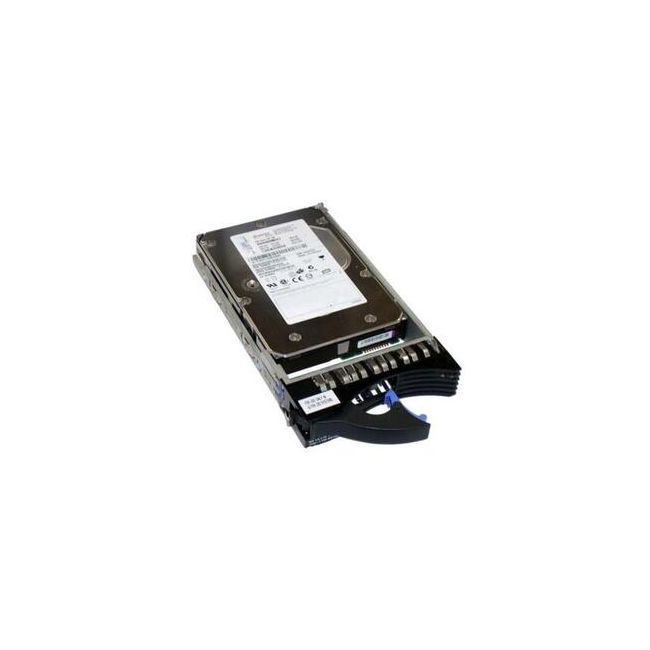
The 00MJ135 IBM internal hard drive offers 1.2TB of fast, reliable storage in a 2.5-inch SAS form factor. Designed for enterprise servers, it balances high capacity with rapid data throughput, making it suitable for intensive workloads requiring sustained performance and uptime. |
General Information |
|
|---|---|
| Brand | IBM |
| Part Number | 00MJ135 |
| Alternate Part Number | 00MJ135-11-HU |
Technical Information |
|
|---|---|
| Capacity | 300GB |
| Form Factor | 3.5-inch |
| Cache | 64MB |
| Spindle Speed | 15000 RPM |
Interfaces/Ports |
|
|---|---|
| Interface | SAS 6Gb/s |
Physical Characteristics |
|
|---|---|
| Condition | Refurbished |
| Weight | 1.76 |
Miscellaneous |
|
|---|---|
| Eco Friendly | Yes |
Product Description |
|---|
The IBM 00MJ135 internal hard drive is designed to provide reliable, high-speed storage for enterprise-grade applications. Its 1.2TB capacity and 10,000 RPM rotational speed enable quick access to data, supporting demanding workloads in server environments. Key Features
Ideal for IBM System x servers and other enterprise platforms, this drive excels in virtualization, database management, and transactional processing environments. It supports high-availability infrastructures where consistent performance is critical. |
Use Cases |
|---|
The 00MJ135 IBM hard drive is predominantly utilized in enterprise IT environments that demand high-speed data access and robust reliability. It caters to organizations running virtualization platforms, database servers, and high-throughput transactional systems requiring sustained low latency and quick data retrieval. How It's Used:
This hard drive’s design optimizes operational efficiency by delivering quick data transfer rates and reliability critical to maintaining uptime. Its scalable architecture suits growing enterprise storage needs, ensuring sustained performance amid demanding workloads. |
 Shipping Options
 International Delivery
Requires a UPS, FedEx, or DHL account. Customers may arrange pickup from our US warehouse.
International Delivery
Requires a UPS, FedEx, or DHL account. Customers may arrange pickup from our US warehouse.
 Payment Methods
We accept Visa, Mastercard, AMEX, Discover, and Wire Transfer.
Payment Methods
We accept Visa, Mastercard, AMEX, Discover, and Wire Transfer.
 Purchase Orders
We process purchase orders for government agencies, enterprises, data centers, and SMBs.
Purchase Orders
We process purchase orders for government agencies, enterprises, data centers, and SMBs.