

Subscribe To Our Newsletter!
Subscribe to the newsletter to stay up to date with the latest news and most useful
Newsletter
↑
Back to Top



Product Overview |
|---|
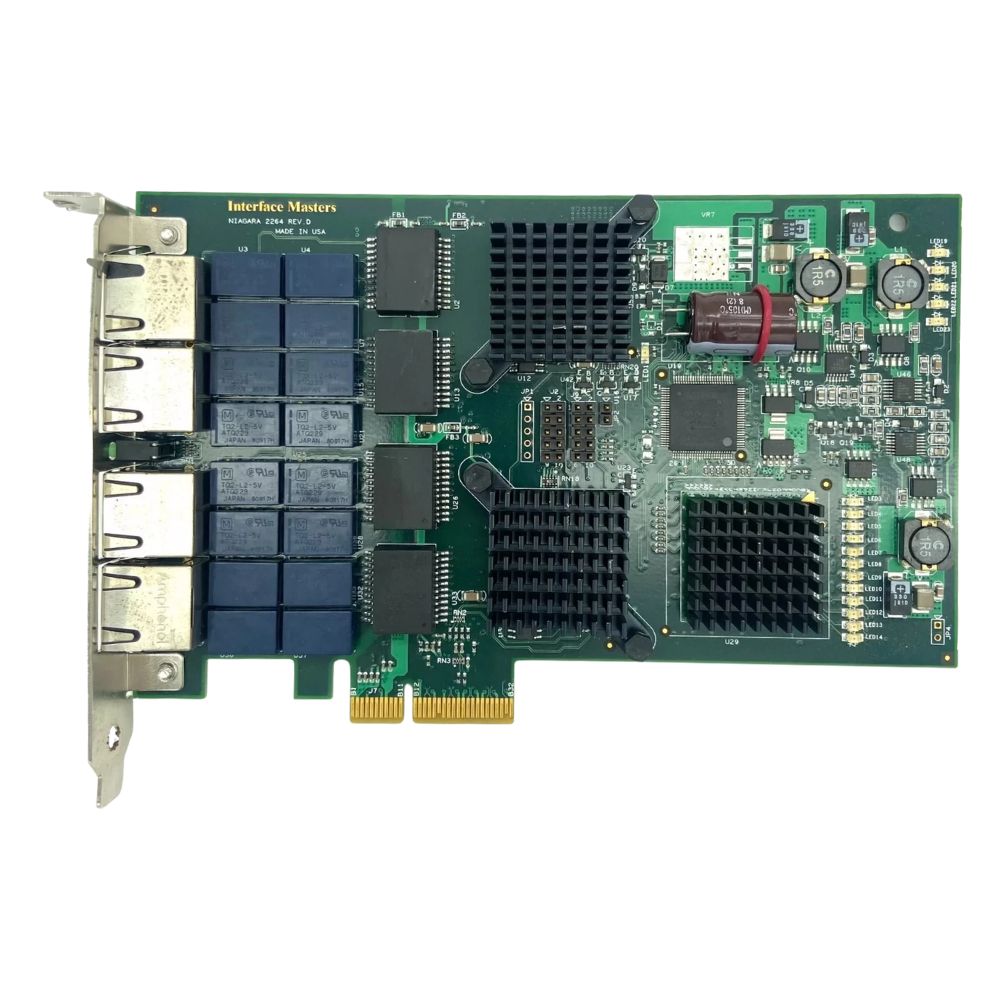
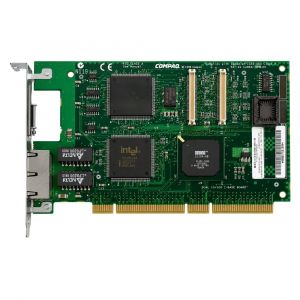
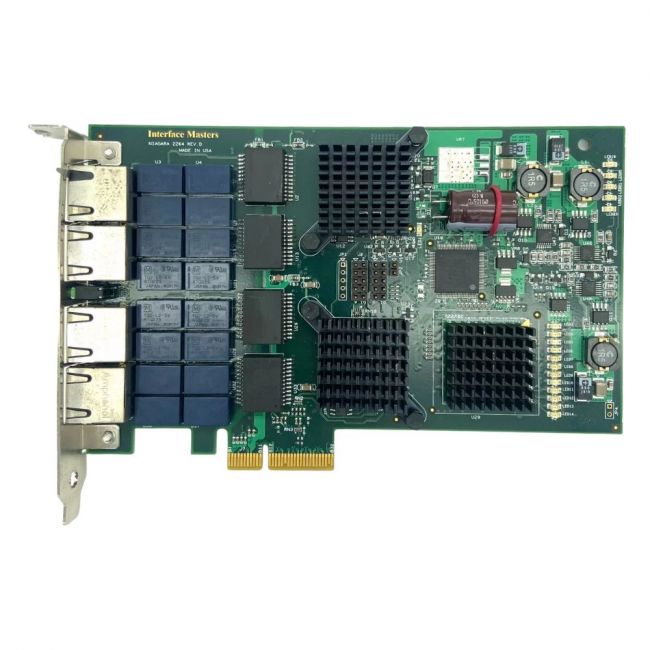
The HU632 Dell Niagara 2264 N2264 4-Ports PCIe Gigabit Network Adapter offers four Gigabit Ethernet ports via a PCI Express interface, designed specifically for use with Dell Niagara 2264 systems. It supports standard networking protocols and allows simultaneous multi-network connectivity within server environments. |
General Information |
|
|---|---|
| Brand | Dell |
Technical Information |
|
|---|---|
| Product Type | Network Interface Card |
| Data Rate (Speed) | 1GbE |
| Number of Ports | 4-Port (Quad) |
| Offload Support | PXE Boot, Wake-on-LAN (WoL), Jumbo Frames |
Connectivity & Physical |
|
|---|---|
| Form Factor | Standard PCIe Card |
| Port Type | RJ-45 (Copper) |
| Weight | 3.00 |
| Condition | Refurbished |
Miscellaneous |
|
|---|---|
| Assembly Required | No |
Product Description |
|---|
The HU632 Dell Niagara 2264 N2264 4-Ports PCIe Gigabit Network Adapter is designed to provide multiple high-speed Ethernet connections via a PCI Express slot. It is typically used in server or workstation environments that require reliable network interfaces for data transfer and communication. IT professionals and network administrators utilize this adapter to expand network capacity and improve connectivity within Dell Niagara 2264 systems. Key Features
This network adapter enhances the networking capabilities of Dell systems by providing multiple Ethernet connections, facilitating data management, and enabling flexible network configurations. Its PCIe form factor allows integration within existing infrastructure without requiring extensive modifications. |
Use Cases |
|---|
The HU632 network adapter is typically deployed in data centers, enterprise servers, and network-heavy computing environments where multiple Gigabit Ethernet connections are essential. It benefits network administrators managing Dell Niagara 2264 platforms requiring expanded network interfaces. How It's Used:
This adapter plays a critical role in enhancing network infrastructure capabilities, allowing flexible network deployments and improving data flow management without major system redesigns. |
FAQ's |
|---|
|
 Shipping Options
 International Delivery
Requires a UPS, FedEx, or DHL account. Customers may arrange pickup from our US warehouse.
 Payment Methods
We accept Visa, Mastercard, AMEX, Discover, and Wire Transfer.
 Purchase Orders
We process purchase orders for government agencies, enterprises, data centers, and SMBs.