

Subscribe To Our Newsletter!
Subscribe to the newsletter to stay up to date with the latest news and most useful
Newsletter
↑
Back to Top



Product Overview |
|---|
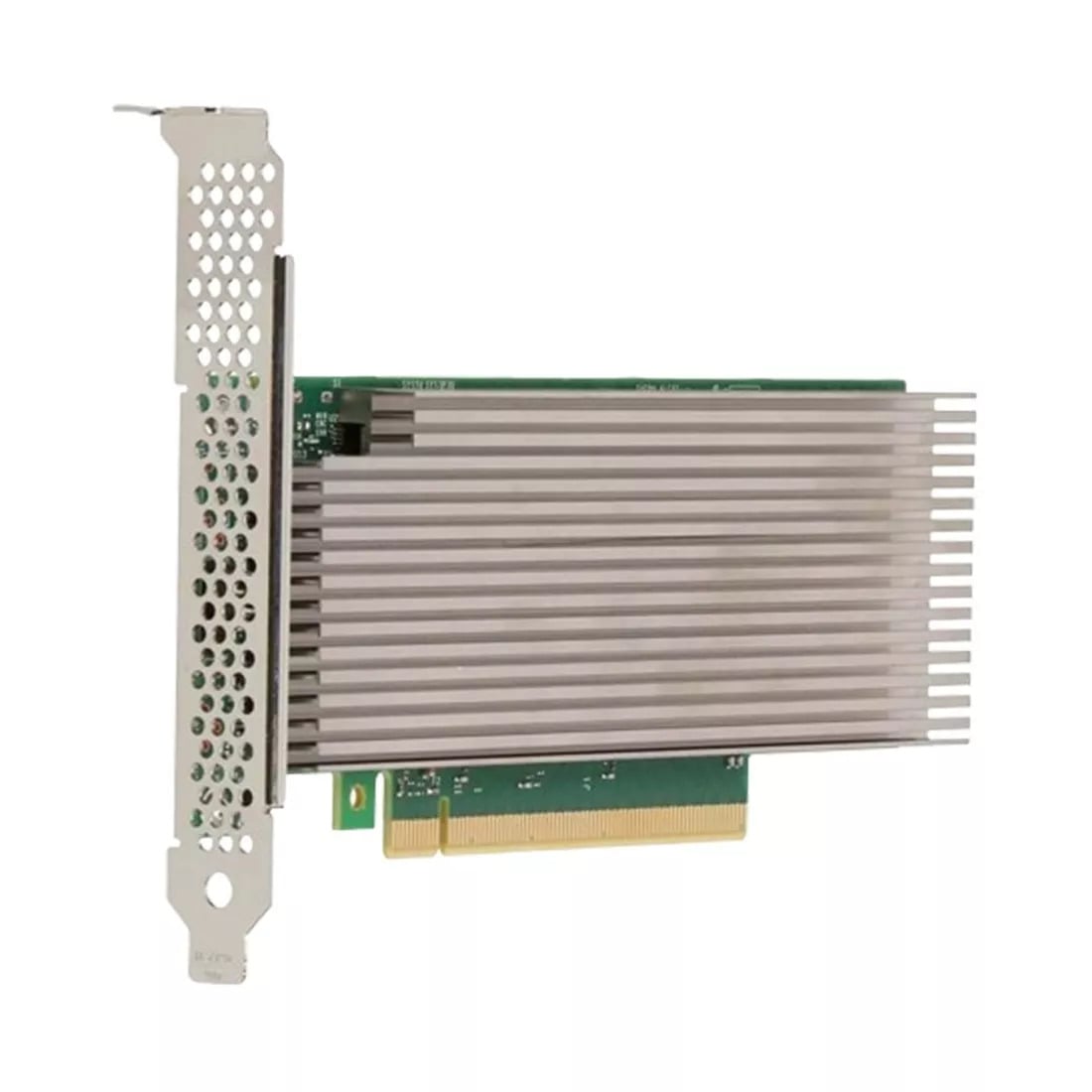
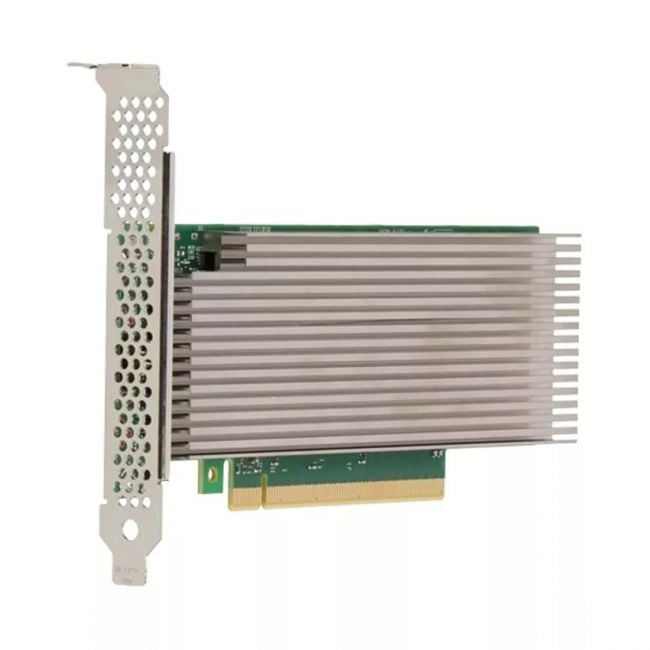
The HRPMY Dell ACC100 PCI Express 3.0 x16 vRAN Accelerator Adapter boosts virtualized Radio Access Network performance by handling heavy processing loads outside the main CPU. It fits into Dell servers and helps improve telecom network efficiency, especially in environments where speed and low latency are vital. |
General Information |
|
|---|---|
| Brand | Dell |
| Part Number | ACC100 |
| Series | ACC100 |
| HARQ Support | No |
| O-RAN Support | No |
Technical Information |
|
|---|---|
| Accelerator Type | Fixed-Function ASIC |
| Supported Network Generation | 4G LTE, 5G NR |
| Card Interface Type | PCIe Add-in Card |
| Primary Function | Open RAN Acceleration |
| vRan Supported APIs | DPDK BBDev, DPDK, SR-IOV |
| Interface / PCIe Slot | PCIe 3.0 x16 |
| Cooling Type | Passive |
| Power Connector | None (slot-powered) |
| Compatibility | Dell PowerEdge servers with available PCIe 3.0 x16 slot (e.g., R640, R740, R650 series) |
Miscellaneous |
|
|---|---|
| Assembly Required | No |
| Eco Friendly | Yes |
| Compliance Standards | WEEE, RoHS, CE, FCC, UL, TUV, cULus |
vRAN / FEC Features |
|
|---|---|
| FEC Acceleration Support | Yes |
| Supported FEC Type | LDPC, Turbo |
Physical Characteristics |
|
|---|---|
| Form Factor | Full-Height Full-Length (FHFL) |
| Weight | 5.00 |
| Condition | Refurbished |
Product Description |
|---|
This accelerator adapter is built to enhance virtualized Radio Access Network (vRAN) environments by offloading intensive processing tasks from the central server. It’s commonly used in telecom infrastructure where high data throughput and low latency are critical. Network operators and system integrators often rely on this adapter to improve efficiency and scalability in their vRAN deployments. Key Features
This adapter is typically deployed in data centers and edge computing sites supporting 4G/5G infrastructure. Its role is crucial in maintaining the speed and reliability telecommunications operators require as networks evolve. By offloading complex tasks, it allows core systems to focus on other operations, ensuring smoother, faster service delivery. |
 Shipping Options
 International Delivery
Requires a UPS, FedEx, or DHL account. Customers may arrange pickup from our US warehouse.
International Delivery
Requires a UPS, FedEx, or DHL account. Customers may arrange pickup from our US warehouse.
 Payment Methods
We accept Visa, Mastercard, AMEX, Discover, and Wire Transfer.
Payment Methods
We accept Visa, Mastercard, AMEX, Discover, and Wire Transfer.
 Purchase Orders
We process purchase orders for government agencies, enterprises, data centers, and SMBs.
Purchase Orders
We process purchase orders for government agencies, enterprises, data centers, and SMBs.