

Subscribe To Our Newsletter!
Subscribe to the newsletter to stay up to date with the latest news and most useful
Newsletter
↑
Back to Top


✔ Brand: HP
✔ Model: HPE NS204i-p x2 Lanes
✔ Interface: PCIe 3.0 x8
✔ Storage Technology: NVMe
✔ Usage: OS boot device for HPE servers
✔ Performance: High-speed data transfer
✔ Capacity: Ideal for boot and high-demand applications
✔ Compatibility: Designed for HPE Gen9 and Gen10 servers, including ProLiant series
✔ Form Factor: Standard PCIe add-in card

Product Overview |
|---|
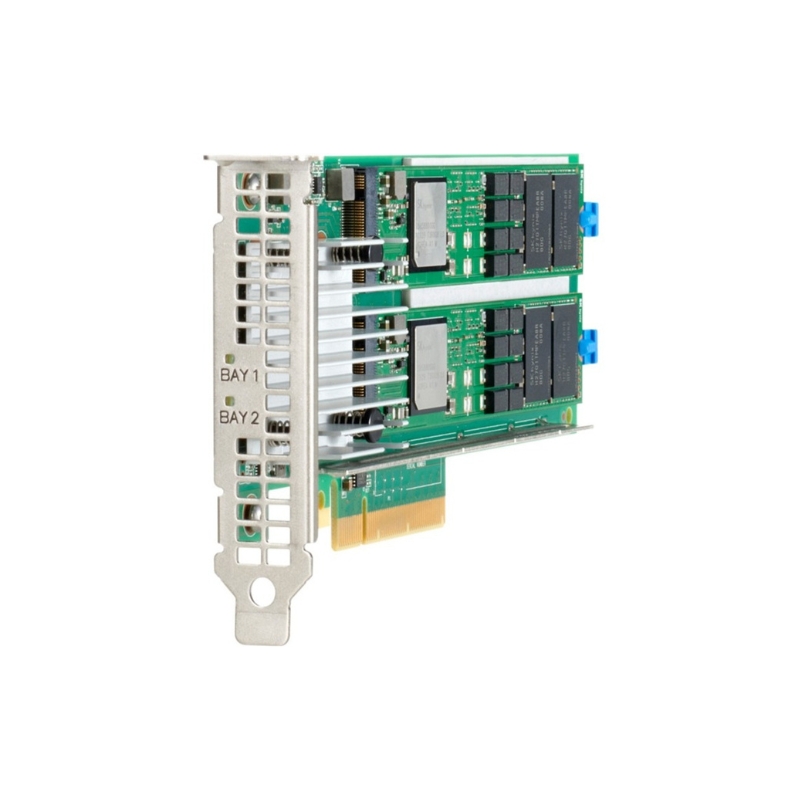
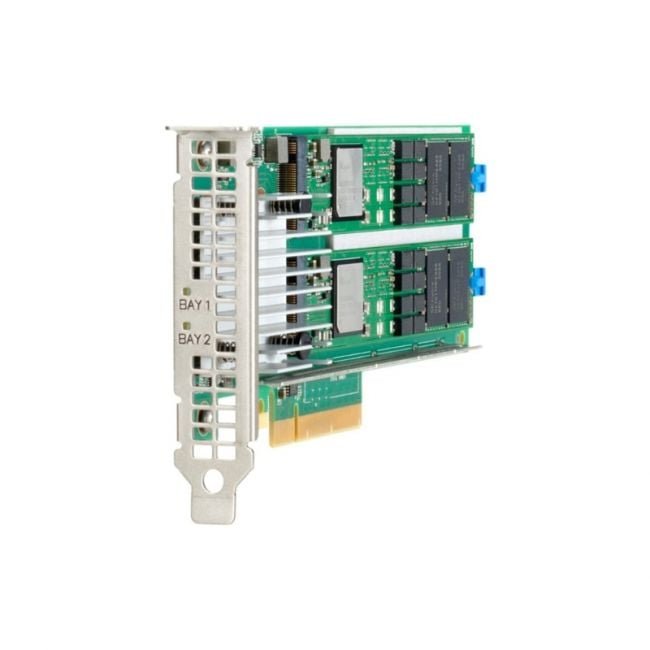
The HPE NS204i-p x2 Lanes NVMe PCIe3 x8 OS Boot Device is HP’s optimum response to storage issues faced by fast-developing tech world. Its design is in complete alignment with HPE servers. It provides efficient, reliable boot and data storage specifications with PCIe Gen 3 x8 interface and NVMe technology. |
General Information |
|
|---|---|
| Brand | HP |
Physical Characteristics |
|
|---|---|
| Weight | 5.00 |
| Condition | Refurbished |
Product Description |
|---|
The HPE NS204i-p x2 Lanes NVMe PCIe3 x8 OS Boot Device is a perfect answer for operating system boot and storage issues in HPE servers. Its prominent features include the NVMe interface and PCIe 3.0 x8 lanes, which optimize data transfer speeds and minimize boot times compared to traditional SATA SSDs. This device is structured to enhance overall system efficiency and reliability, making it an excellent choice for high-demand applications requiring fast data access. Hence, it is the most apt response to fast-paced digital environments. Key Features and Specifications:
|
Use Cases |
|---|
The HPE NS204i-p x2 Lanes NVMe PCIe3 x8 OS Boot Device is primarily deployed in enterprise data centers and server environments where rapid OS boot times and reliable storage performance are critical. It is particularly suited for IT professionals managing HPE Gen9 and Gen10 servers in workloads demanding consistent low-latency and high-throughput storage access. How It's Used:
By leveraging NVMe technology and PCIe 3.0 x8 bandwidth, this device helps maintain operational efficiency in demanding server environments. Its role as a dedicated OS boot device ensures scalability and performance stability, enabling IT teams to optimize their infrastructure without compromising system availability. |
 Shipping Options
 International Delivery
Requires a UPS, FedEx, or DHL account. Customers may arrange pickup from our US warehouse.
 Payment Methods
We accept Visa, Mastercard, AMEX, Discover, and Wire Transfer.
 Purchase Orders
We process purchase orders for government agencies, enterprises, data centers, and SMBs.