

Subscribe To Our Newsletter!
Subscribe to the newsletter to stay up to date with the latest news and most useful
Newsletter
↑
Back to Top



Product Overview |
|---|
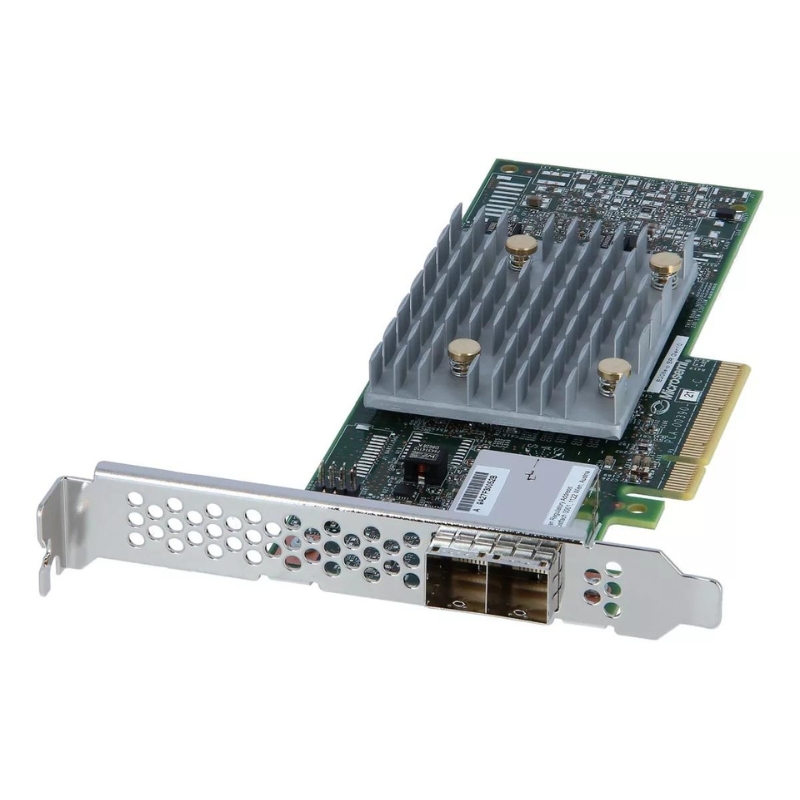
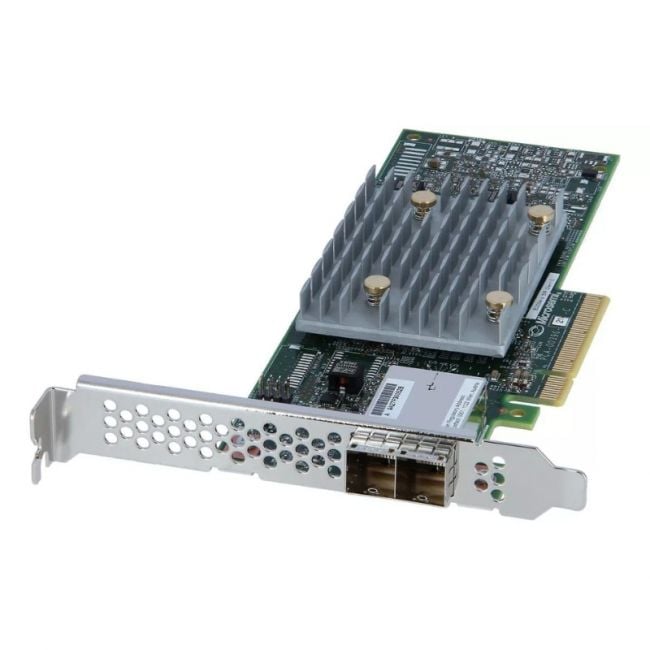
The HP Smart Array E208e-p SR Gen10 controller provides high-speed SAS connectivity primarily for external storage devices. It fits into PCIe slots on HP ProLiant Gen10 servers and offers up to eight external lanes to maximize data transfer pathways. This card is intended for users who need reliable SAS connections without onboard caching complexity, making it a solid choice for straightforward storage expansion in professional server environments. |
General Information |
|
|---|---|
| Brand | HP |
Technical Specification |
|
|---|---|
| Host Interface | PCIe 3.0 x8 |
| Data Rate | 12Gb/s SAS (SAS-3) |
| RAID Levels | RAID 0, RAID 1, RAID 10 |
| Cache | No Cache |
| Connectivity | SAS, PCIe |
| Compatibility | HPE ProLiant Gen10 servers (e.g., DL360 Gen10, DL380 Gen10, ML350 Gen10) |
Physical Characteristics |
|
|---|---|
| Form Factor | PCIe low profile (half-height) plug-in card |
| Weight | 5.00 |
| Condition | Refurbished |
Miscellaneous |
|
|---|---|
| Eco Friendly | Yes |
| Compliance Standards | WEEE, RoHS, CE, FCC, UL, TUV, cULus |
Product Description |
|---|
The HP Smart Array E208e-p SR Gen10 is a SAS controller designed to facilitate high-speed data transfer between storage devices and servers. It is built to handle multiple external SAS lanes, which makes it suitable for setups requiring fast and reliable connectivity to external storage arrays. This controller is often found in enterprise environments where efficient data throughput is critical. Engineered for use with HP ProLiant Gen10 servers, it's commonly deployed by IT professionals managing data centers or large-scale server farms. Its straightforward design without onboard cache helps reduce complexity for users who prefer direct data handling solutions. Key Features
This controller is typically installed in servers requiring reliable external storage connections without additional caching overhead. It plays a key role in environments where predictable and steady data flow is more important than caching performance. Its integration within HP ProLiant systems ensures stable and consistent operation, supporting diverse storage needs in enterprise settings. |
 Shipping Options
 International Delivery
Requires a UPS, FedEx, or DHL account. Customers may arrange pickup from our US warehouse.
International Delivery
Requires a UPS, FedEx, or DHL account. Customers may arrange pickup from our US warehouse.
 Payment Methods
We accept Visa, Mastercard, AMEX, Discover, and Wire Transfer.
Payment Methods
We accept Visa, Mastercard, AMEX, Discover, and Wire Transfer.
 Purchase Orders
We process purchase orders for government agencies, enterprises, data centers, and SMBs.
Purchase Orders
We process purchase orders for government agencies, enterprises, data centers, and SMBs.