

Subscribe To Our Newsletter!
Subscribe to the newsletter to stay up to date with the latest news and most useful
Newsletter
↑
Back to Top



Product Overview |
|---|
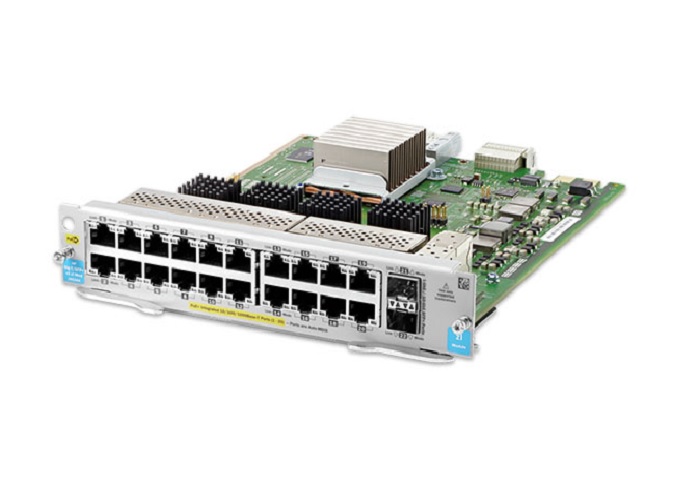
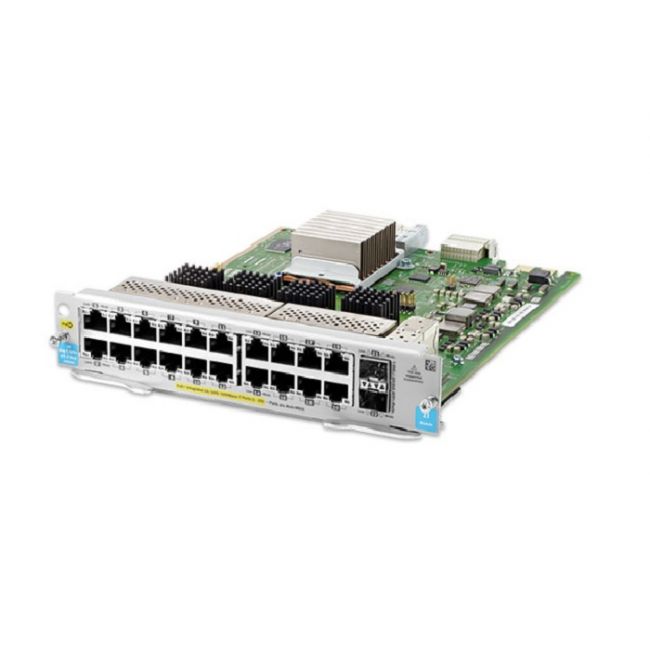
The HP 20-Ports Gigabit Ethernet PoE+ 2 x SFP+ V2 ZL Expansion Module adds crucial power-enabled Ethernet ports alongside 10GbE uplink slots, designed specifically for HP FlexNetwork ZL switch chassis. It fits into existing setups to provide expanded connectivity and power delivery, making it suitable for environments requiring a mix of powered devices and high-speed data links. |
General Information |
|
|---|---|
| Brand | HP |
| Part Number | J9536A |
| Product Type | Switch Expansion Module |
| Series | zl2 |
Technical Information |
|
|---|---|
| Ports | 20 |
| Data Rate | 1 Gbps,10 Gbps |
| Connector Type | RJ-45,SFP+ |
| Power Consumption | PoE+ (IEEE 802.3at), up to 30W per port (total power budget depends on host chassis/power supply) |
| product type | PoE+ Expansion Module |
| Product Category | Network Switch |
Physical Characteristics |
|
|---|---|
| Form Factor | ZL2 hot-pluggable module |
| Weight | 3.00 |
| Condition | Refurbished |
Miscellaneous |
|
|---|---|
| Assembly Required | Yes |
| Eco Friendly | Yes |
| Compliance Standards | WEEE, RoHS, cURus, CE, FCC, CCC, UL, TUV, cULus, CSA, cUL |
Product Description |
|---|
This HP 20-Ports Gigabit Ethernet PoE+ 2 x SFP+ V2 ZL Expansion Module increases network capacity by adding 20 powered Ethernet ports and 2 high-speed SFP+ uplink slots. It's built to enhance FlexNetwork ZL chassis switches, commonly used in enterprise and campus environments where reliable power over Ethernet and fast data links are essential. Network administrators and IT teams often find this module valuable for connecting IP phones, wireless access points, and other PoE devices while maintaining efficient uplink performance. The module's design fits seamlessly into existing ZL switch setups, expanding port availability without requiring additional rack space. Key Features
This module is typically deployed in mid to large-scale enterprise networks, data centers, and campus infrastructures where device connectivity and power needs grow over time. It helps maintain streamlined network design by consolidating ports and uplinks in a single chassis, reducing cabling complexity and physical space requirements. |
Use Cases |
|---|
The J9536A HP 20-Port Gigabit Ethernet PoE+ 2x SFP+ V2 ZL Expansion Module is primarily deployed in enterprise and campus environments that demand dense, scalable network connectivity with integrated power delivery. It is particularly beneficial for IT teams managing large-scale deployments of powered devices such as IP cameras, VoIP phones, and wireless access points needing centralized PoE support alongside high-speed uplinks. How It's Used:
This expansion module supports operational efficiency by combining high-density PoE+ ports with 10GbE uplink capabilities in a compact form factor, enabling network scalability and simplified management. Its design aligns with evolving network demands, facilitating seamless integration of powered devices while maintaining throughput and minimizing infrastructure complexity. |
 Shipping Options
 International Delivery
Requires a UPS, FedEx, or DHL account. Customers may arrange pickup from our US warehouse.
International Delivery
Requires a UPS, FedEx, or DHL account. Customers may arrange pickup from our US warehouse.
 Payment Methods
We accept Visa, Mastercard, AMEX, Discover, and Wire Transfer.
Payment Methods
We accept Visa, Mastercard, AMEX, Discover, and Wire Transfer.
 Purchase Orders
We process purchase orders for government agencies, enterprises, data centers, and SMBs.
Purchase Orders
We process purchase orders for government agencies, enterprises, data centers, and SMBs.