

Subscribe To Our Newsletter!
Subscribe to the newsletter to stay up to date with the latest news and most useful
Newsletter
↑
Back to Top



Product Overview |
|---|
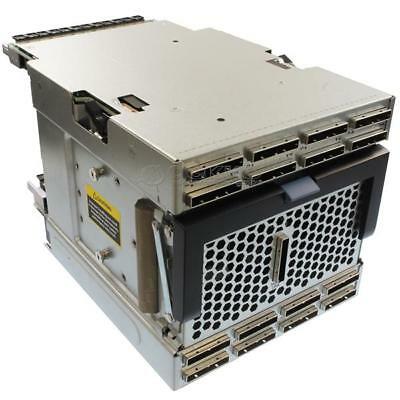
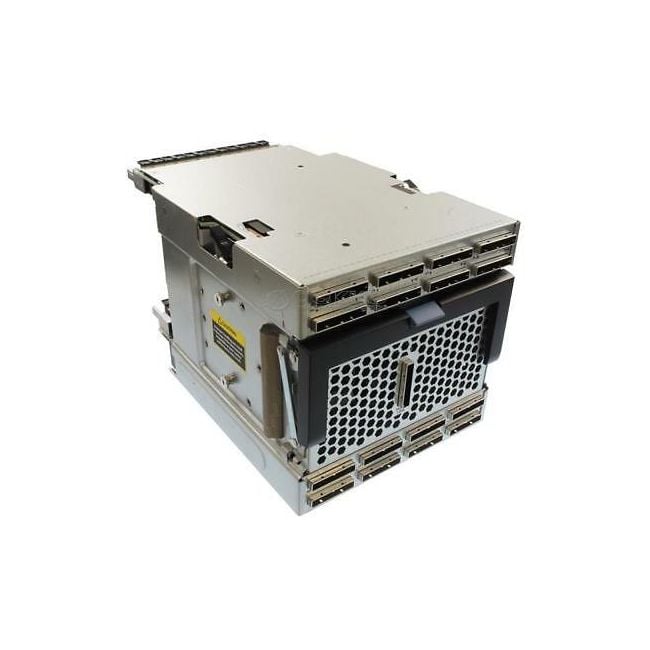
The AM426-69009 HP XNC Module Upper / Lower Node Control Module Assembly manages the coordination of node operations within HP's XNC network chassis. It fits into network setups where reliable communication between node components is vital, helping maintain system stability and performance without unnecessary complexity. |
General Information |
|
|---|---|
| Brand | HP |
Physical Characteristics |
|
|---|---|
| Weight | 13.00 |
| Condition | Refurbished |
Miscellaneous |
|
|---|---|
| Assembly Required | Yes |
| Eco Friendly | Yes |
| Compliance Standards | WEEE, RoHS, cURus, CE, FCC, CCC, UL, TUV, cULus, CSA, cUL |
Product Description |
|---|
This control module assembly is designed to manage the upper and lower nodes within HP's XNC network chassis systems. It plays a critical role in coordinating the functions and data flow between these nodes, making it essential for maintaining system stability and performance. Often found in enterprise networking environments, this module is built for network administrators and IT professionals who maintain HP's robust communication infrastructure. Its role is to ensure smooth operation and reduce downtime in complex network setups. Key Features
This module is typically deployed in data centers and enterprise networking environments where HP XNC chassis are used. It supports the backbone of network communication, helping keep critical systems online and responsive. |
Use Cases |
|---|
The AM426-69009 HP XNC Module Upper / Lower Node Control Module Assembly is primarily deployed within enterprise-level HP XNC network chassis environments. It is critical for IT professionals managing complex server clusters who require precise coordination between node components to ensure system integrity and reduce downtime. How It's Used:
This control module assembly enhances operational efficiency by maintaining seamless communication across nodes, which is essential for scalable and resilient network infrastructures. It supports performance demands typical in modern enterprise and edge environments, enabling consistent system behavior under varied workloads. |
 Shipping Options
 International Delivery
Requires a UPS, FedEx, or DHL account. Customers may arrange pickup from our US warehouse.
International Delivery
Requires a UPS, FedEx, or DHL account. Customers may arrange pickup from our US warehouse.
 Payment Methods
We accept Visa, Mastercard, AMEX, Discover, and Wire Transfer.
Payment Methods
We accept Visa, Mastercard, AMEX, Discover, and Wire Transfer.
 Purchase Orders
We process purchase orders for government agencies, enterprises, data centers, and SMBs.
Purchase Orders
We process purchase orders for government agencies, enterprises, data centers, and SMBs.