

Subscribe To Our Newsletter!
Subscribe to the newsletter to stay up to date with the latest news and most useful
Newsletter
↑
Back to Top



Product Overview |
|---|
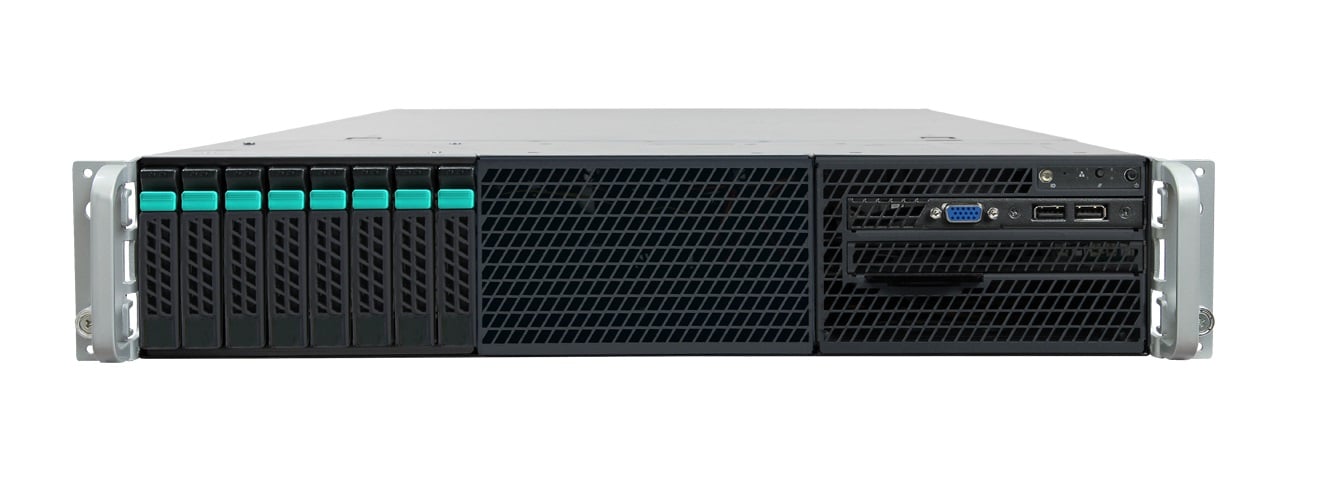
The HP ProLiant DL380 G6 delivers dependable performance with its dual Xeon processors and substantial RAM, fitting well into data centers and business infrastructures. It manages demanding tasks while providing flexible storage options, making it a solid choice for organizations focused on stability and efficiency in their server hardware. |
General Information |
|
|---|---|
| Brand | HP |
| Part Number | 491315-001 |
Physical Characteristics |
|
|---|---|
| Dimensions | 3.5 x 17.5 x 28.5 in |
| Weight | 10.00 |
| Condition | Refurbished |
Miscellaneous |
|
|---|---|
| Compliance Standards | WEEE, RoHS, CE, FCC, UL, TUV, cULus |
Product Description |
|---|
The HP ProLiant DL380 G6 is a powerful and versatile server built for demanding business environments. It commonly serves as a reliable backbone for data centers, virtualized workloads, and enterprise applications. IT professionals and organizations that require stable, manageable, and scalable computing power often use this model. Key Features
This server is typically found in medium to large business environments where consistent uptime and processing power are critical. Its design supports various workloads, including database management, virtualization, and file services. The balance of speed, storage, and memory helps keep essential operations running effectively without unnecessary complexity. |
Use Cases |
|---|
The HP ProLiant DL380 G6 is commonly utilized in medium to large enterprise data centers where reliable processing power and storage are critical. It is particularly suited for IT departments managing virtualization platforms or running multi-tenant applications requiring consistent uptime and resource allocation. How It's Used:
By providing a balance of processing power and scalable storage, this server supports efficient workload distribution and helps maintain operational stability. Its integration into existing infrastructure enhances performance while allowing for future expansion without immediate hardware replacement. |
 Shipping Options
 International Delivery
Requires a UPS, FedEx, or DHL account. Customers may arrange pickup from our US warehouse.
International Delivery
Requires a UPS, FedEx, or DHL account. Customers may arrange pickup from our US warehouse.
 Payment Methods
We accept Visa, Mastercard, AMEX, Discover, and Wire Transfer.
Payment Methods
We accept Visa, Mastercard, AMEX, Discover, and Wire Transfer.
 Purchase Orders
We process purchase orders for government agencies, enterprises, data centers, and SMBs.
Purchase Orders
We process purchase orders for government agencies, enterprises, data centers, and SMBs.