

Subscribe To Our Newsletter!
Subscribe to the newsletter to stay up to date with the latest news and most useful
Newsletter
↑
Back to Top



Product Overview |
|---|
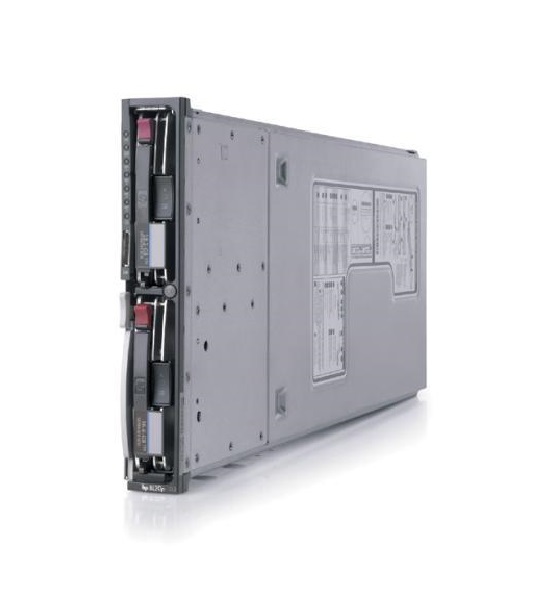
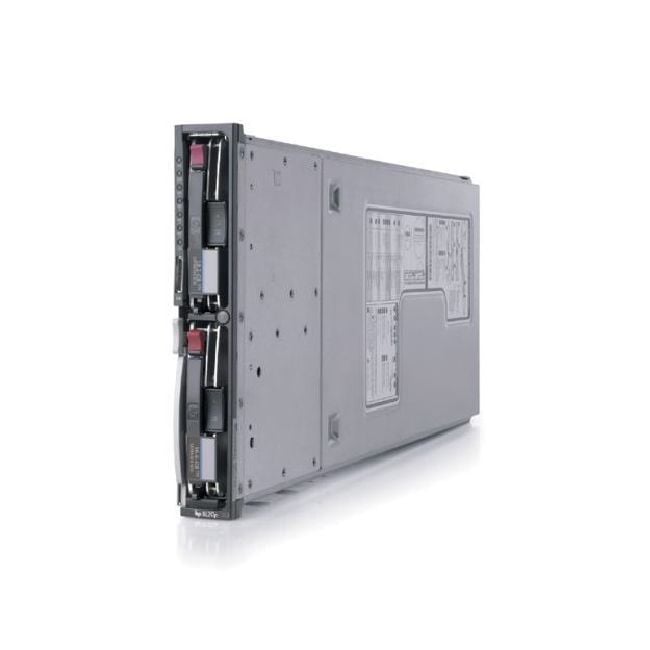
The HP ProLiant BL20p G2 blade server combines dual Intel Xeon processors and multiple Gigabit Ethernet ports to provide a compact yet capable server solution. It fits into blade chassis setups where space efficiency and remote management are important, making it a practical choice for data centers focused on manageable, scalable infrastructure. |
General Information |
|
|---|---|
| Brand | HP |
Technical Information |
|
|---|---|
| Memory | 1GB RAM |
| Processor | 2x Intel Xeon 3.2 GHz |
Physical Characteristics |
|
|---|---|
| Weight | 3.00 |
| Condition | Refurbished |
Miscellaneous |
|
|---|---|
| Assembly Required | Yes |
| Eco Friendly | Yes |
| Compliance Standards | WEEE, RoHS, cURus, CE, FCC, CCC, UL, TUV, cULus, CSA, cUL |
Product Description |
|---|
The HP ProLiant BL20p G2 blade server is built for data centers requiring dense computing power in a compact form. It's often found in enterprise environments managing web applications, virtualization, and database services. Designed for IT professionals and system administrators, this blade delivers reliable processing and connectivity in a shared chassis setup. Key Features
This blade server is typically deployed in HP BladeSystem c-Class environments, optimizing rack space while supporting critical business applications. Its combination of processing power and connectivity suits medium-sized to large organizations that need efficient, scalable server solutions. |
Use Cases |
|---|
The HP ProLiant BL20p G2 blade server is well-suited for data centers and enterprise IT environments requiring high-density compute resources with efficient remote management. Its dual Intel Xeon processors and multiple Gigabit Ethernet ports make it an ideal choice for workloads demanding reliable processing power and network flexibility within constrained rack space. How It's Used:
This blade server enables operational efficiency by consolidating computing resources within minimal physical space, while its scalable architecture supports growing workload demands. The combination of processing capability and network interfaces ensures adaptability across various IT infrastructures. |
 Shipping Options
 International Delivery
Requires a UPS, FedEx, or DHL account. Customers may arrange pickup from our US warehouse.
International Delivery
Requires a UPS, FedEx, or DHL account. Customers may arrange pickup from our US warehouse.
 Payment Methods
We accept Visa, Mastercard, AMEX, Discover, and Wire Transfer.
Payment Methods
We accept Visa, Mastercard, AMEX, Discover, and Wire Transfer.
 Purchase Orders
We process purchase orders for government agencies, enterprises, data centers, and SMBs.
Purchase Orders
We process purchase orders for government agencies, enterprises, data centers, and SMBs.