

Subscribe To Our Newsletter!
Subscribe to the newsletter to stay up to date with the latest news and most useful
Newsletter
↑
Back to Top



Product Overview |
|---|
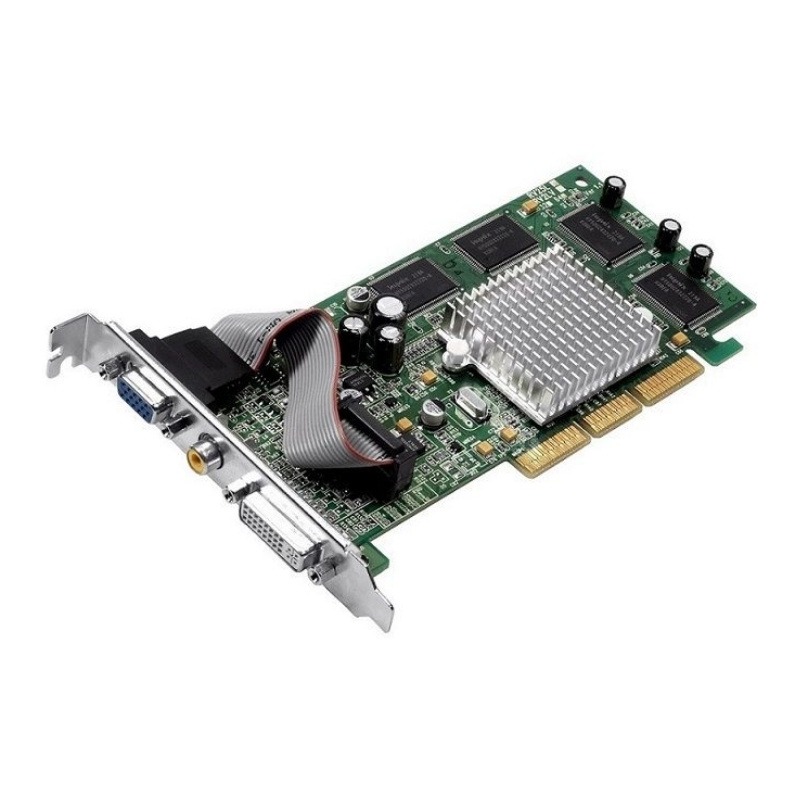
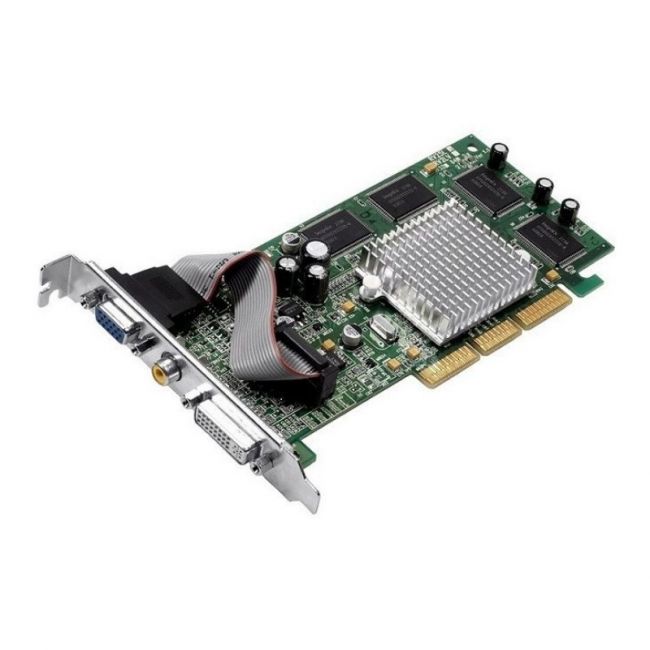
The HP NVIDIA Quadro4 280XGL graphics card (351838-001) is a workstation-class GPU featuring 64MB of DDR memory and an AGP 8X interface. With a DMS-59 output, it supports dual-display configurations, making it suitable for CAD, visualization, and design applications. Engineered for professional environments, this GPU delivers stable and reliable performance for legacy workstation systems requiring efficient graphical processing. |
General Information |
|
|---|---|
| Brand | HP |
| Part Number | 351838-001 |
Physical Characteristics |
|
|---|---|
| Weight | 3.00 |
| Condition | Refurbished |
Product Description |
|---|
The HP NVIDIA Quadro4 280XGL graphics card (Part Number: 351838-001) is designed for professional workstation environments requiring stable and efficient graphics processing. With 64MB of DDR memory and an AGP 8X interface, it offers improved data transfer speeds and compatibility with legacy workstation setups. The card features a DMS-59 output interface, allowing support for dual-display configurations. Engineered for professional 2D and 3D rendering tasks, this GPU provides reliable performance for CAD, visualization, and other design applications. Key Features
The HP NVIDIA Quadro4 280XGL is an ideal choice for legacy workstations requiring a stable and capable graphics solution for professional applications. |
Use Cases |
|---|
The HP NVIDIA Quadro4 280XGL graphics card is typically deployed in legacy professional workstation environments where stable and reliable 2D and 3D graphical processing is essential. It is well-suited for engineers, designers, and CAD specialists working with established software stacks that require precise dual-display setups and legacy AGP interfaces. How It's Used:
This graphics card ensures operational continuity in specialized work environments by delivering consistent rendering capabilities and dual-display support without requiring modern interface upgrades. Its integration supports workflows dependent on legacy systems, enhancing productivity without disrupting existing IT infrastructure. |
 Shipping Options
 International Delivery
Requires a UPS, FedEx, or DHL account. Customers may arrange pickup from our US warehouse.
International Delivery
Requires a UPS, FedEx, or DHL account. Customers may arrange pickup from our US warehouse.
 Payment Methods
We accept Visa, Mastercard, AMEX, Discover, and Wire Transfer.
Payment Methods
We accept Visa, Mastercard, AMEX, Discover, and Wire Transfer.
 Purchase Orders
We process purchase orders for government agencies, enterprises, data centers, and SMBs.
Purchase Orders
We process purchase orders for government agencies, enterprises, data centers, and SMBs.