

Subscribe To Our Newsletter!
Subscribe to the newsletter to stay up to date with the latest news and most useful
Newsletter
↑
Back to Top



Product Overview |
|---|
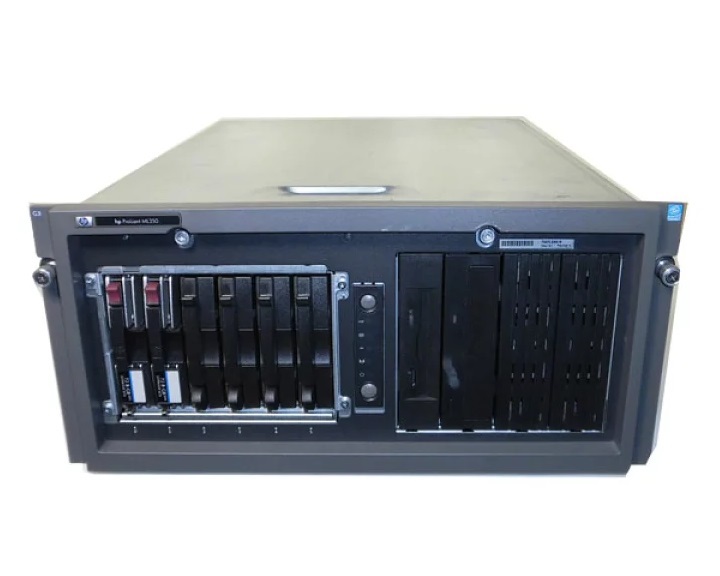
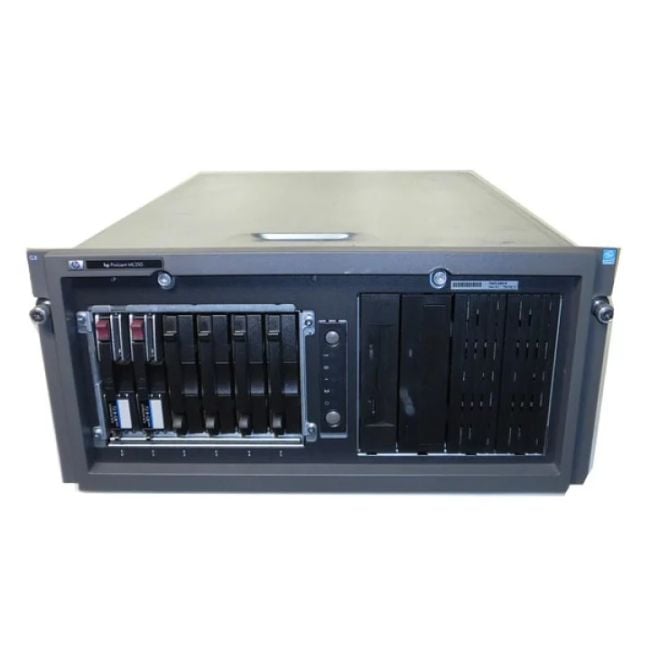
The HP ProLiant ML350 G3 is a rack server designed to deliver steady performance for business environments that require reliable processing and expandable configurations. It fits well into data center racks and serves as a workhorse for various IT tasks ranging from file storage to application hosting. |
General Information |
|
|---|---|
| Brand | HP |
Technical Information |
|
|---|---|
| Memory | 2GB (installed) |
| Processor | Intel Xeon 2.80GHz |
Physical Characteristics |
|
|---|---|
| Weight | 3.00 |
| Condition | Refurbished |
Miscellaneous |
|
|---|---|
| Assembly Required | Yes |
| Eco Friendly | Yes |
| Compliance Standards | WEEE, RoHS, cURus, CE, FCC, CCC, UL, TUV, cULus, CSA, cUL |
Product Description |
|---|
The HP ProLiant ML350 G3 is a rack-mounted server built for small to medium-sized businesses that require dependable computing power. Often found in office server rooms and data centers, it's designed to support a range of applications from file sharing to database hosting. Users who need a balance between processing speed and expandability typically rely on this model. Key Features
This server is commonly installed in small business IT setups or branch offices where reliability matters more than cutting-edge specs. It plays a key role in managing network resources and running essential business applications without excessive complexity. |
Use Cases |
|---|
The HP ProLiant ML350 G3 server is typically deployed in mid-sized enterprise data centers and IT departments where dependable rack-mounted computing resources are critical. It serves organizations requiring a balance between processing power and expandability, particularly in environments focused on virtualization, storage, and application hosting. How It's Used:
By offering reliable processing and scalable RAM options in a 5U rack form, the ML350 G3 supports efficient resource allocation and operational continuity in complex IT infrastructures. Its design accommodates evolving workload requirements, helping maintain system performance as organizational demands increase. |
 Shipping Options
 International Delivery
Requires a UPS, FedEx, or DHL account. Customers may arrange pickup from our US warehouse.
International Delivery
Requires a UPS, FedEx, or DHL account. Customers may arrange pickup from our US warehouse.
 Payment Methods
We accept Visa, Mastercard, AMEX, Discover, and Wire Transfer.
Payment Methods
We accept Visa, Mastercard, AMEX, Discover, and Wire Transfer.
 Purchase Orders
We process purchase orders for government agencies, enterprises, data centers, and SMBs.
Purchase Orders
We process purchase orders for government agencies, enterprises, data centers, and SMBs.