

Subscribe To Our Newsletter!
Subscribe to the newsletter to stay up to date with the latest news and most useful
Newsletter
↑
Back to Top



Product Overview |
|---|
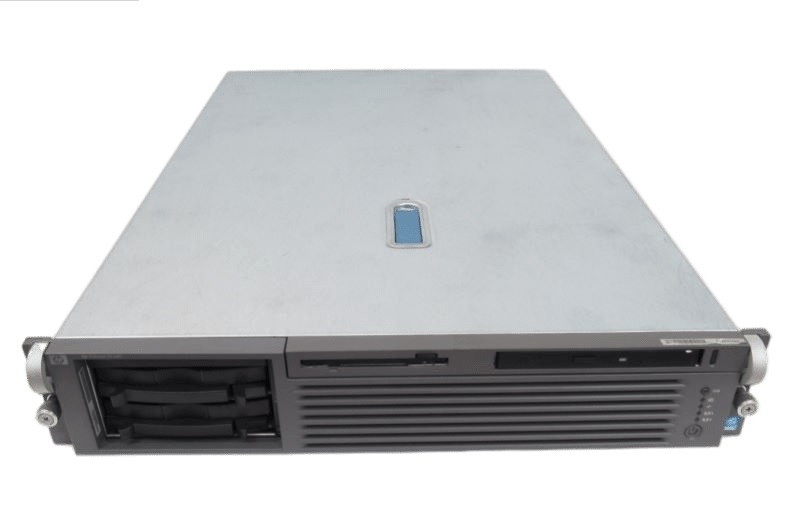
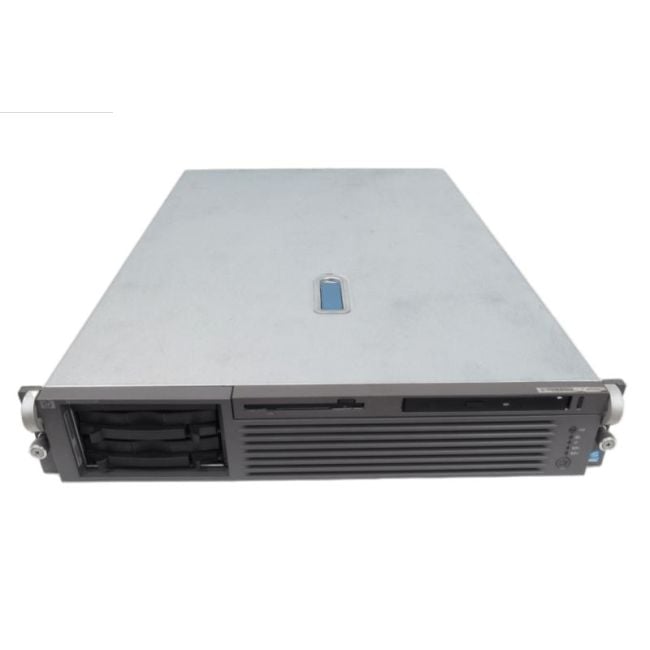
The HP ProLiant DL560 is a versatile rack server offering a blend of processing power, storage speed, and network connectivity. It fits well in environments like data centers where reliable multi-processor servers are needed for virtualization, databases, or heavy computing tasks. |
General Information |
|
|---|---|
| Brand | HP |
Technical Information |
|
|---|---|
| Memory | 2GB RAM (installed) |
| Processor | 4 x Intel Xeon MP 2.0 GHz |
| Storage | Ultra160 SCSI controller, 24x CD-ROM (optical), Floppy Disk Drive (FDD) |
Physical Characteristics |
|
|---|---|
| Weight | 3.00 |
| Condition | Refurbished |
Miscellaneous |
|
|---|---|
| Assembly Required | Yes |
| Eco Friendly | Yes |
| Compliance Standards | WEEE, RoHS, cURus, CE, FCC, CCC, UL, TUV, cULus, CSA, cUL |
Product Description |
|---|
The HP ProLiant DL560 is built for enterprise environments that require robust processing and reliable performance. It’s often found in data centers handling intensive applications and virtualization tasks. This 2U rack server is designed for IT professionals managing medium to large workloads who need dependable hardware with flexible management options. It offers a balanced setup with multiple processors and solid connectivity. Key Features
This server is typically deployed in enterprise racks where space efficiency and performance are essential. It plays an important role in running mission-critical applications and consolidating workloads in a manageable package. |
Use Cases |
|---|
The HP ProLiant DL560 server is designed for environments requiring high processing throughput and reliable multi-processor performance. It is ideal for enterprises and data centers that manage intensive workloads such as virtualization and database management, where scalability and consistent uptime are critical. How It's Used:
This server's architecture enables efficient handling of concurrent processes and rapid data access, which aids in maintaining operational stability and performance as workloads grow. Its scalability and remote management features help IT teams optimize resource allocation and system maintenance. |
 Shipping Options
 International Delivery
Requires a UPS, FedEx, or DHL account. Customers may arrange pickup from our US warehouse.
International Delivery
Requires a UPS, FedEx, or DHL account. Customers may arrange pickup from our US warehouse.
 Payment Methods
We accept Visa, Mastercard, AMEX, Discover, and Wire Transfer.
Payment Methods
We accept Visa, Mastercard, AMEX, Discover, and Wire Transfer.
 Purchase Orders
We process purchase orders for government agencies, enterprises, data centers, and SMBs.
Purchase Orders
We process purchase orders for government agencies, enterprises, data centers, and SMBs.