

Subscribe To Our Newsletter!
Subscribe to the newsletter to stay up to date with the latest news and most useful
Newsletter
↑
Back to Top



Product Overview |
|---|
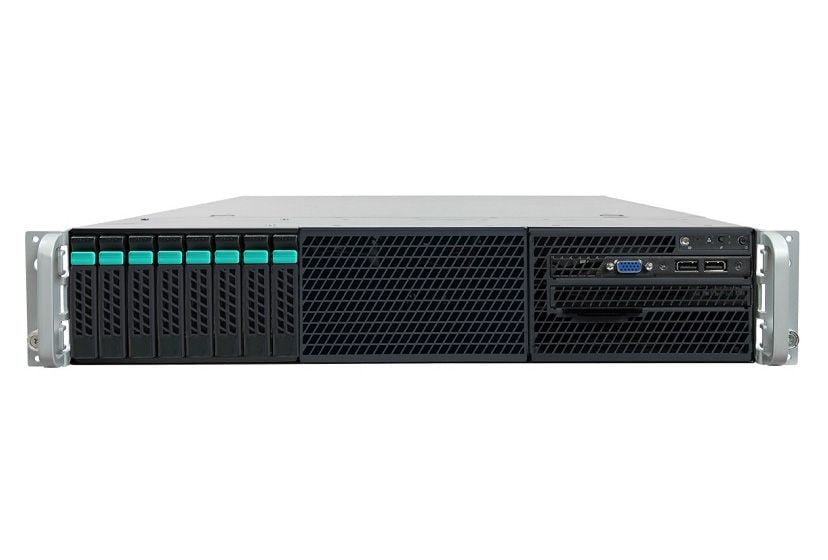
The HP ProLiant CL380R 01 is a rack-mounted server featuring an Intel Pentium III 1GHz processor and 128MB of RAM. It fits well into small business or departmental setups where basic computing and network services are required. Its straightforward design and modest specs make it an accessible option for managing routine server functions without complexity. |
General Information |
|
|---|---|
| Brand | HP |
Technical Information |
|
|---|---|
| Memory | 128MB (installed) |
| Processor | Intel Pentium III 1.0 GHz (256KB L2 cache), single CPU |
Physical Characteristics |
|
|---|---|
| Weight | 50.00 |
| Condition | Refurbished |
Miscellaneous |
|
|---|---|
| Assembly Required | Yes |
| Eco Friendly | Yes |
| Compliance Standards | WEEE, RoHS, cURus, CE, FCC, CCC, UL, TUV, cULus, CSA, cUL |
Product Description |
|---|
The HP ProLiant CL380R 01 is a compact rack server built for handling entry-level computing needs. It's often found in small to medium business environments that require dependable performance without extensive resource demands. System administrators and IT staff typically use this server for tasks like file sharing, print services, and basic application hosting. Key Features
This server is commonly deployed in office server racks where space and budget limit high-end options. It plays a solid role in maintaining network stability and file management in less demanding environments, making it a practical choice for straightforward server needs. |
Use Cases |
|---|
The HP ProLiant CL380R 01 server is commonly deployed in environments where basic server functions need to be maintained with minimal resource demands. It is well-suited for small to medium business (SMB) networks and departmental servers within larger organizations that require cost-effective and space-saving rack-mounted solutions. How It's Used:
This server accommodates straightforward workloads where operational consistency and efficient rack utilization are priorities. Its configuration facilitates stable performance while allowing IT teams to manage network services without excessive complexity or overhead. |
 Shipping Options
 International Delivery
Requires a UPS, FedEx, or DHL account. Customers may arrange pickup from our US warehouse.
International Delivery
Requires a UPS, FedEx, or DHL account. Customers may arrange pickup from our US warehouse.
 Payment Methods
We accept Visa, Mastercard, AMEX, Discover, and Wire Transfer.
Payment Methods
We accept Visa, Mastercard, AMEX, Discover, and Wire Transfer.
 Purchase Orders
We process purchase orders for government agencies, enterprises, data centers, and SMBs.
Purchase Orders
We process purchase orders for government agencies, enterprises, data centers, and SMBs.