

Subscribe To Our Newsletter!
Subscribe to the newsletter to stay up to date with the latest news and most useful
Newsletter
↑
Back to Top



Product Overview |
|---|
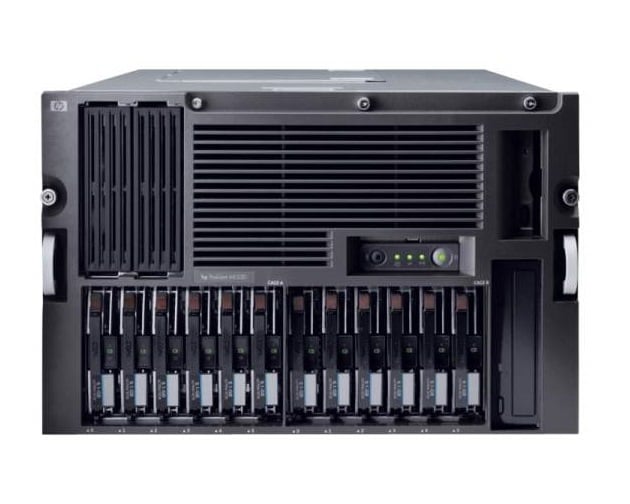
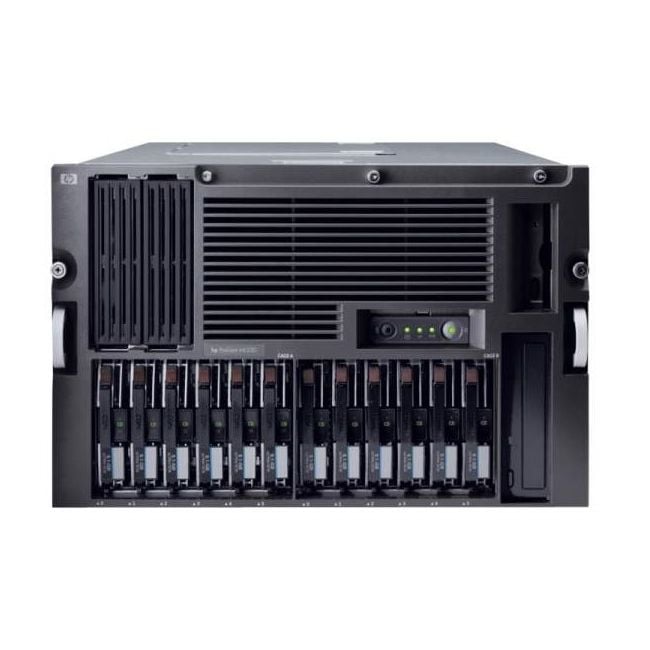
The HP ProLiant ML530 G2 (part number 161157-001) is a dependable tower server featuring an Intel Pentium III Xeon 1GHz processor and 128MB of PC133 ECC Registered SDRAM. It boasts an integrated Dual Channel Wide Ultra3 SCSI Adapter for reliable storage connectivity and offers extensive expansion with seven PCI-X slots. This model is ideal for environments needing a stable server for file sharing, print management, or as a foundational server for small-scale applications and departmental use, providing a balance of performance and expandability for its generation. |
General Information |
|
|---|---|
| Brand | HP |
Physical Characteristics |
|
|---|---|
| Weight | 50.00 |
| Condition | Refurbished |
Product Description |
|---|
The HP ProLiant ML530 G2 is a robust tower server engineered to provide reliable performance for small to medium-sized business applications and departmental workloads. Its balanced architecture and expansion capabilities make it suitable for a variety of foundational server roles. Key Features
This server is well-suited for file and print services, entry-level database applications, and basic network infrastructure support. It provides a solid platform for core business operations requiring dependable, scalable computing. |
Use Cases |
|---|
The HP ProLiant ML530 G2 tower server is typically deployed in small to medium-sized business environments where reliable, expandable server infrastructure is required without the complexity of rack deployment. Its balance of processing power and storage connectivity makes it well-suited for departmental IT teams managing file services, print queues, or foundational application hosting. How It's Used:
In these deployments, the ML530 G2 supports operational efficiency by delivering stable performance and expansion flexibility. Its integrated SCSI adapter and multiple PCI-X slots allow IT teams to scale storage and connectivity as needed, ensuring continued utility in evolving network infrastructures. |
 Shipping Options
 International Delivery
Requires a UPS, FedEx, or DHL account. Customers may arrange pickup from our US warehouse.
International Delivery
Requires a UPS, FedEx, or DHL account. Customers may arrange pickup from our US warehouse.
 Payment Methods
We accept Visa, Mastercard, AMEX, Discover, and Wire Transfer.
Payment Methods
We accept Visa, Mastercard, AMEX, Discover, and Wire Transfer.
 Purchase Orders
We process purchase orders for government agencies, enterprises, data centers, and SMBs.
Purchase Orders
We process purchase orders for government agencies, enterprises, data centers, and SMBs.