

Subscribe To Our Newsletter!
Subscribe to the newsletter to stay up to date with the latest news and most useful
Newsletter
↑
Back to Top



Product Overview |
|---|
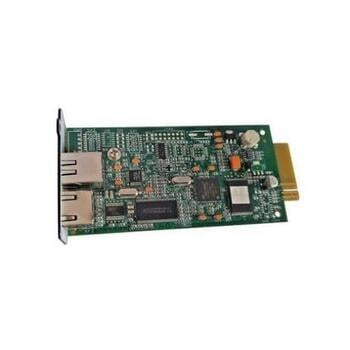
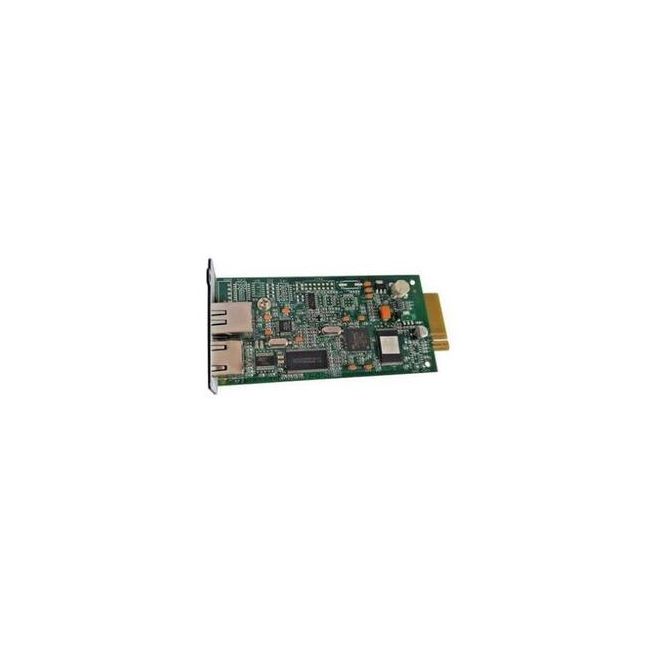
The HP MSA 1510i Ethernet SCSI Module provides network connectivity for the HP MSA 1510i storage array, allowing servers to access shared storage over Ethernet. It fits directly into the MSA chassis and supports 1 Gbps speeds, making it a practical choice for businesses looking to extend their storage network without complex configurations. |
General Information |
|
|---|---|
| Brand | HP |
Technical Information |
|
|---|---|
| Protocol | iSCSI |
Physical Characteristics |
|
|---|---|
| Weight | 3.00 |
| Condition | Refurbished |
Product Description |
|---|
The HP MSA 1510i Ethernet SCSI Module enables efficient data transfer between storage arrays and networked servers. It is commonly used in small to medium business environments that require dependable storage connectivity without complex setup. Built for the HP Modular Smart Array 1510i, this module provides a straightforward way to extend storage capabilities over Ethernet. Key Features
This module is often found in data centers or server rooms where HP storage arrays serve multiple clients or applications. It provides a reliable link for critical storage operations, helping organizations maintain smooth data workflows and minimize downtime. |
Use Cases |
|---|
The HP 1Gbps Ethernet SCSI Module is primarily utilized in mid-sized enterprise storage environments where reliable, high-speed network connectivity to storage arrays is essential. It is particularly beneficial for IT teams managing HP MSA 1510i storage systems seeking to integrate Ethernet-based storage access without the complexity of additional infrastructure. How It's Used:
This module aids in maintaining operational efficiency by consolidating network and storage traffic through a single interface, simplifying management and scaling. Its compatibility with existing Ethernet infrastructure helps organizations adapt storage access to evolving workload demands without extensive reconfiguration. |
 Shipping Options
 International Delivery
Requires a UPS, FedEx, or DHL account. Customers may arrange pickup from our US warehouse.
International Delivery
Requires a UPS, FedEx, or DHL account. Customers may arrange pickup from our US warehouse.
 Payment Methods
We accept Visa, Mastercard, AMEX, Discover, and Wire Transfer.
Payment Methods
We accept Visa, Mastercard, AMEX, Discover, and Wire Transfer.
 Purchase Orders
We process purchase orders for government agencies, enterprises, data centers, and SMBs.
Purchase Orders
We process purchase orders for government agencies, enterprises, data centers, and SMBs.