

Subscribe To Our Newsletter!
Subscribe to the newsletter to stay up to date with the latest news and most useful
Newsletter
↑
Back to Top



Product Overview |
|---|
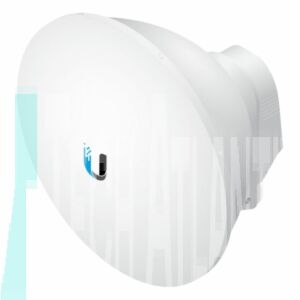
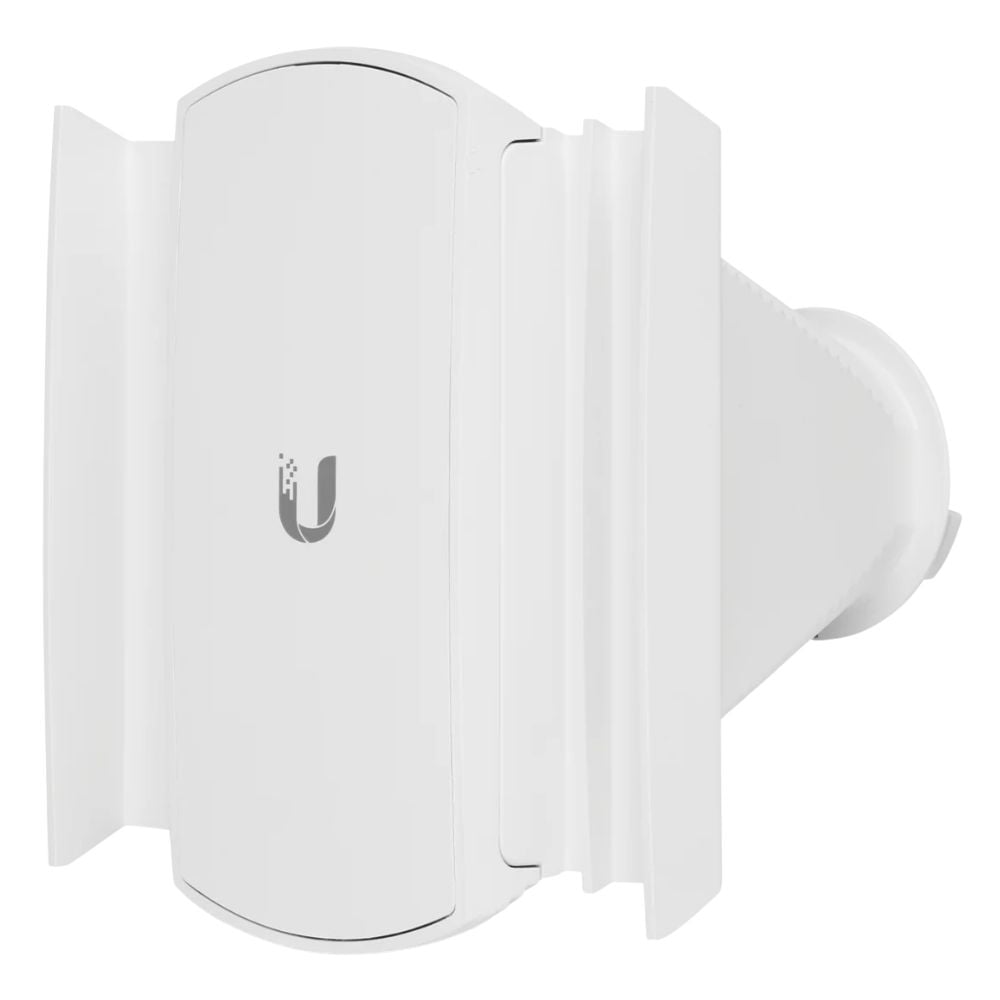
The Ubiquiti HORN-5-60 is a horn antenna intended for 5GHz wireless applications. It offers 16dBi gain and a 60-degree beamwidth, providing directional signal coverage suitable for targeted network deployments requiring focused signal strength and controlled propagation. |
General Information |
|
|---|---|
| Brand | Ubiquiti |
Technical Information |
|
|---|---|
| Series | HORN |
| product type | Directional Horn Antenna (5 GHz, 60° beamwidth) |
| Product Category | Antennas |
| Compatibility | 5 GHz wireless devices; Ubiquiti airMAX radios (e.g., RocketM5) and other 5 GHz radios with N-type connector (via appropriate pigtail) |
Miscellaneous |
|
|---|---|
| Assembly Required | No |
| Compliance Standards | RoHS, CE, FCC |
Physical Characteristics |
|
|---|---|
| Form Factor | Horn Antenna |
| Weight | 3.00 |
| Condition | Refurbished |
Product Description |
|---|
The Ubiquiti HORN-5-60 is a horn antenna designed for use in the 5GHz frequency range. It provides a directional signal with a 60-degree beamwidth, making it suitable for focused wireless communication in specific coverage areas. This antenna is typically used in wireless networking setups where targeted signal transmission is required, often deployed by IT professionals and network engineers. Key Features
Overall, the HORN-5-60 antenna serves as a component that provides directional wireless connectivity, fitting into network environments that demand precise signal targeting. It is a practical choice for deployments requiring focused transmission within the 5GHz band. |
Use Cases |
|---|
The HORN-5-60 antenna is typically used in wireless networking environments where directional coverage in the 5GHz band is needed. It benefits network engineers and IT teams deploying point-to-point or point-to-multipoint links requiring focused signal transmission. How It's Used:
This antenna plays a role in structuring networks that require targeted wireless communication, helping maintain link quality by concentrating signal transmission within a specific beamwidth. |
FAQ's |
|---|
|
 Shipping Options
 International Delivery
Requires a UPS, FedEx, or DHL account. Customers may arrange pickup from our US warehouse.
 Payment Methods
We accept Visa, Mastercard, AMEX, Discover, and Wire Transfer.
 Purchase Orders
We process purchase orders for government agencies, enterprises, data centers, and SMBs.