

Subscribe To Our Newsletter!
Subscribe to the newsletter to stay up to date with the latest news and most useful
Newsletter
↑
Back to Top



Product Overview |
|---|
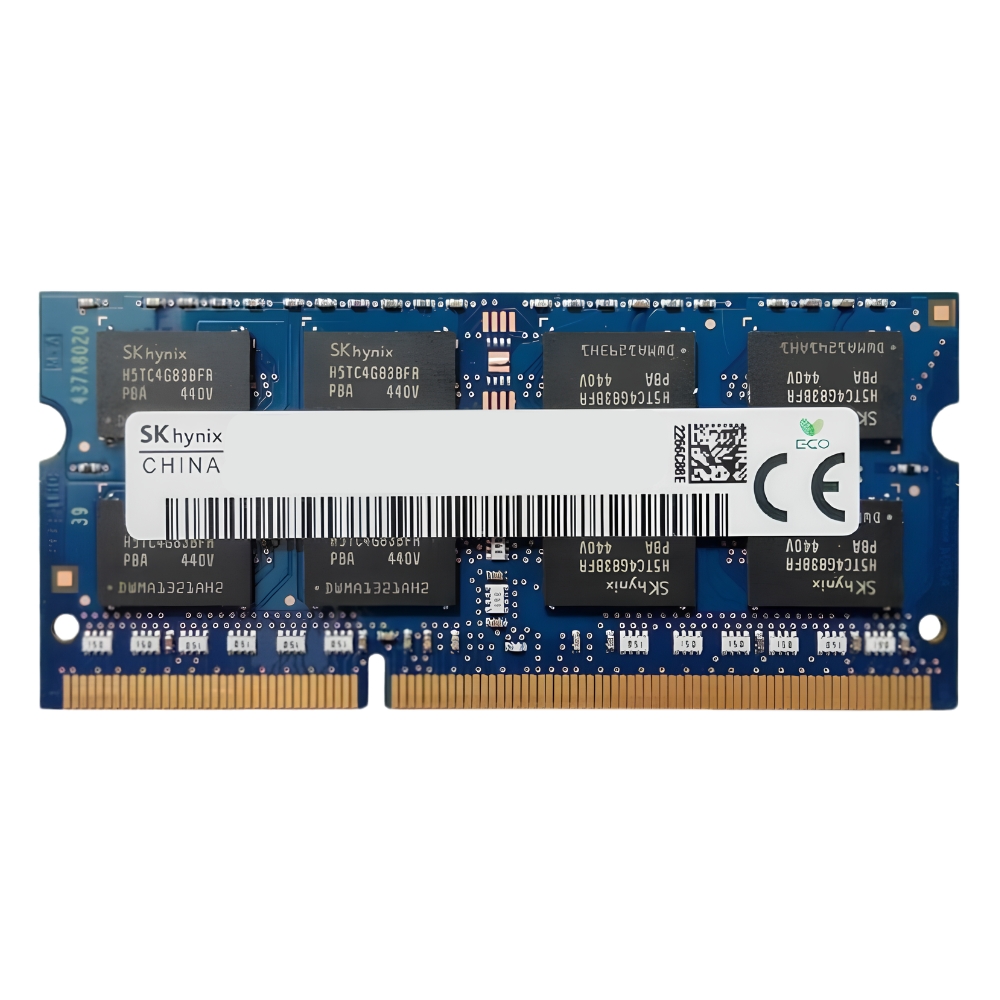
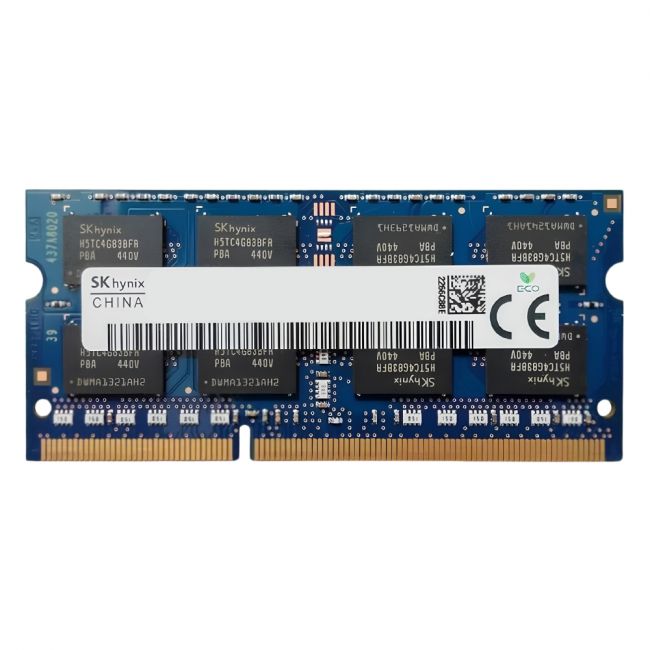
The HMT125S6BFR8C-G7 from SK Hynix is a 2GB DDR3-1066 MHz SODIMM memory module designed for laptops and small form factor systems. It features a CAS latency of 7 and non-ECC architecture, supporting standard computing needs where error correction is not required. |
General Information |
|
|---|---|
| Brand | SK Hynix |
Technical Information |
|
|---|---|
| Memory Capacity | 2GB |
| Memory Technology | DDR3 |
| Module Type | SO-DIMM |
| RAM Standard | PC3-8500 |
| Pin Count | 204-Pin |
| Error Correction | Non-ECC |
| Rank | 1Rx8 |
| Voltage | 1.5V |
Performance |
|
|---|---|
| Bus Speed | 1066MHz |
| Bandwidth | 8528 MB/s |
| Native Speed | 1066 MT/s |
| CAS | CL7 |
Physical Characteristics |
|
|---|---|
| Weight | 3.00 |
| Condition | Refurbished |
Miscellaneous |
|
|---|---|
| Compliance Standards | RoHS |
| Assembly Required | No |
Product Description |
|---|
The HMT125S6BFR8C-G7 is a 2GB DDR3-1066 SODIMM memory module designed by SK Hynix. It provides standard memory capacity and speed suitable for upgrading or replacing memory in compatible laptops and compact systems. This non-ECC memory operates with a CAS latency of 7, supporting system responsiveness in everyday computing tasks. The SODIMM form factor allows installation in devices with limited space. Key Features
This module is suitable for general-purpose memory expansion in portable and compact computing environments. It helps maintain system functionality by providing memory that matches specific form factor and timing requirements. |
Use Cases |
|---|
This 2GB DDR3-1066 SODIMM module is commonly used in laptops and compact desktop systems requiring memory upgrades or replacements within DDR3-1066 specifications. It fits environments that do not demand ECC memory and where system compatibility with CL7 timing is necessary. How It's Used:
The memory module serves an essential role in maintaining and improving system performance within its supported hardware constraints. It is not intended for applications requiring error-correcting memory or higher-performance configurations. |
FAQ's |
|---|
|
 Shipping Options
 International Delivery
Requires a UPS, FedEx, or DHL account. Customers may arrange pickup from our US warehouse.
 Payment Methods
We accept Visa, Mastercard, AMEX, Discover, and Wire Transfer.
 Purchase Orders
We process purchase orders for government agencies, enterprises, data centers, and SMBs.