

Subscribe To Our Newsletter!
Subscribe to the newsletter to stay up to date with the latest news and most useful
Newsletter
↑
Back to Top



Product Overview |
|---|
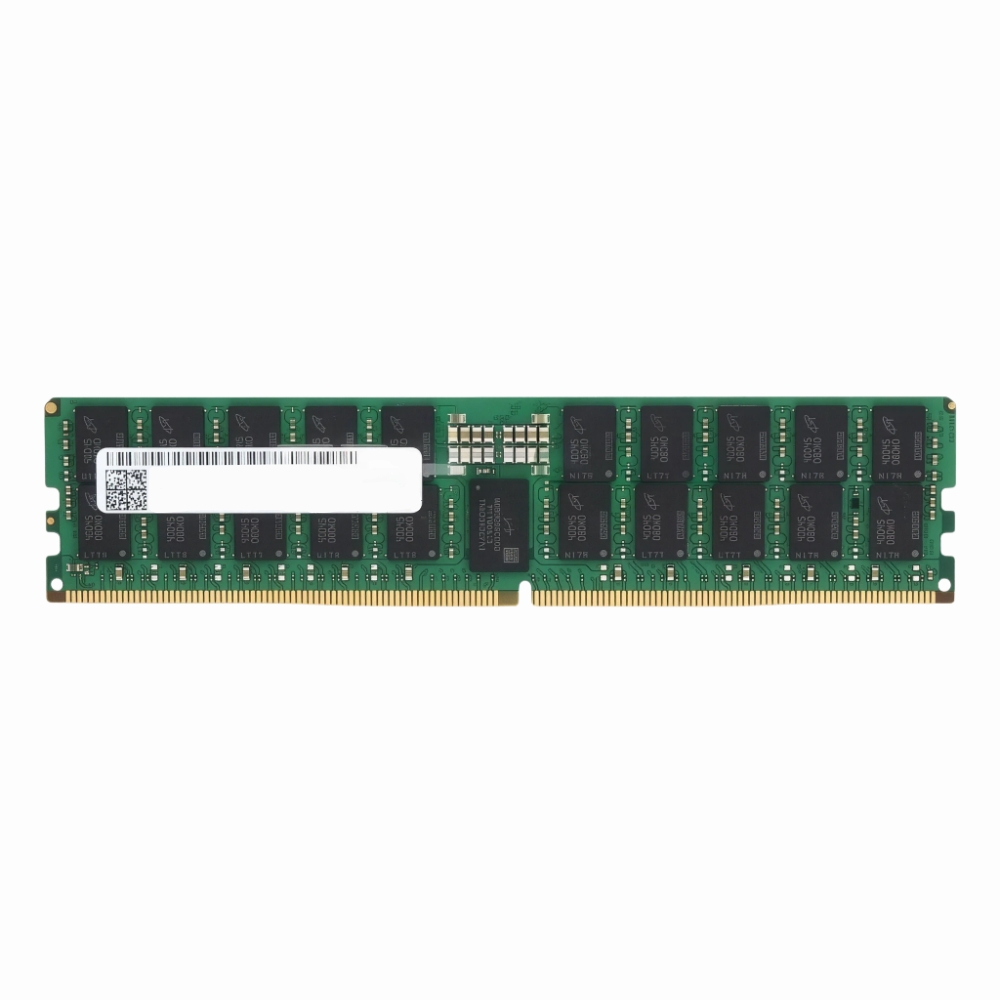
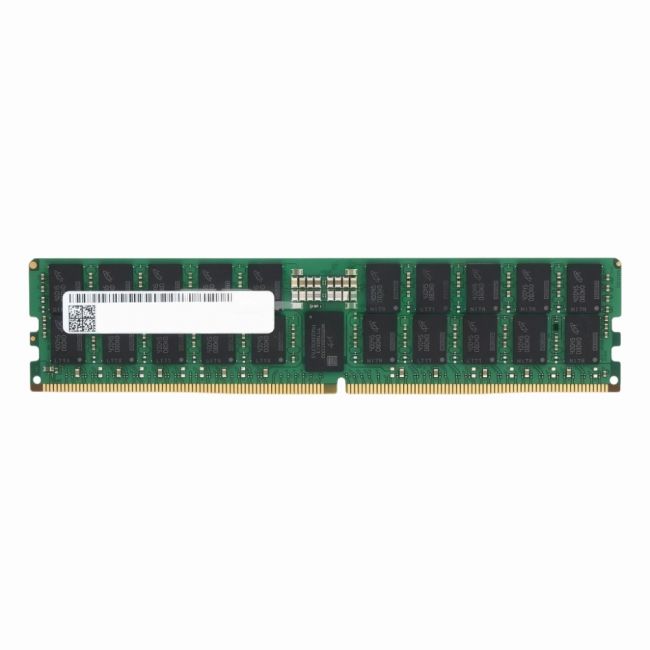
The HMCT14MEERA144N SK Hynix 256GB DDR5-4800MHz memory module is designed for servers and data centers needing reliable, high-capacity RAM. It provides ECC Registered error correction to maintain data integrity and operates at a low voltage to improve energy efficiency, fitting into standard 288-pin DDR5 slots common in modern enterprise hardware. |
General Information |
|
|---|---|
| Brand | SK Hynix |
| Part Number | HMCT14MEERA144N |
Technical Information |
|
|---|---|
| Memory Capacity | 256GB |
| Memory Technology | DDR5 |
| Module Type | RDIMM |
| RAM Standard | PC5-38400 |
| Pin Count | 288-Pin |
| Error Correction | ECC Registered |
| Rank | 8Rx4 |
| Voltage | 1.1V |
Performance |
|
|---|---|
| Bus Speed | 4800 MT/s |
| Bandwidth | 38400 MB/s |
| Native Speed | 4800 MT/s |
| CAS | CL40 |
Physical Characteristics |
|
|---|---|
| Package | FBGA |
| Weight | 0.50 |
| Condition | Refurbished |
Product Description |
|---|
This SK Hynix memory module offers 256GB of DDR5 RAM running at 4800MHz, designed to meet the demands of high-performance servers and data centers. It's built for environments where reliability and error correction are critical, using ECC Registered RDIMM technology to reduce data errors in mission-critical applications. Often found in enterprise-grade servers and workstations, this module supports heavy multitasking and intensive data processing. IT professionals and system administrators benefit from its balance of high capacity and stability, making it suitable for virtualization, databases, and large-scale computing tasks. Key Features
This memory module is typically deployed in enterprise servers running critical workloads that require both speed and reliability. Its large capacity helps handle demanding applications without bottlenecks, while ECC ensures that data integrity is maintained during operation. In practice, it plays a key role in keeping data centers running smoothly by minimizing downtime caused by memory errors and allowing systems to operate efficiently under heavy loads. |
 Shipping Options
 International Delivery
Requires a UPS, FedEx, or DHL account. Customers may arrange pickup from our US warehouse.
International Delivery
Requires a UPS, FedEx, or DHL account. Customers may arrange pickup from our US warehouse.
 Payment Methods
We accept Visa, Mastercard, AMEX, Discover, and Wire Transfer.
Payment Methods
We accept Visa, Mastercard, AMEX, Discover, and Wire Transfer.
 Purchase Orders
We process purchase orders for government agencies, enterprises, data centers, and SMBs.
Purchase Orders
We process purchase orders for government agencies, enterprises, data centers, and SMBs.