

Subscribe To Our Newsletter!
Subscribe to the newsletter to stay up to date with the latest news and most useful
Newsletter
↑
Back to Top



Product Overview |
|---|
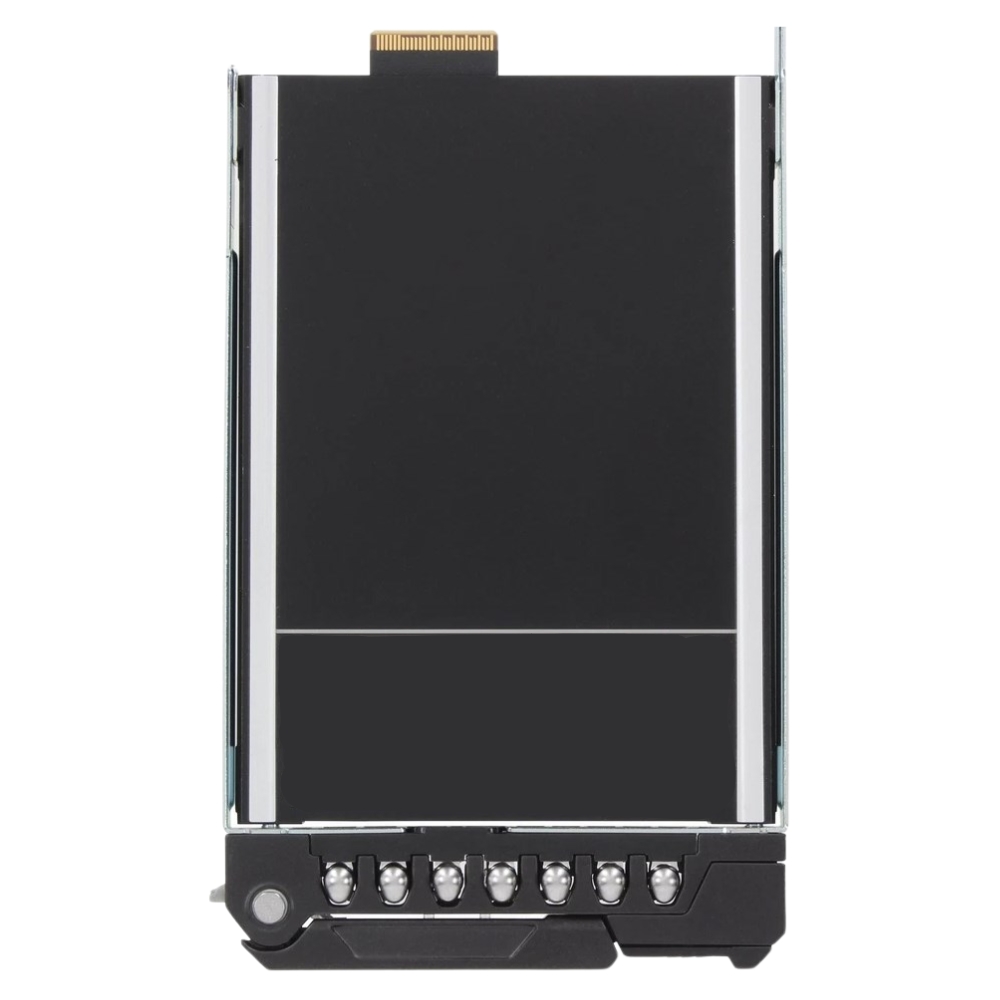
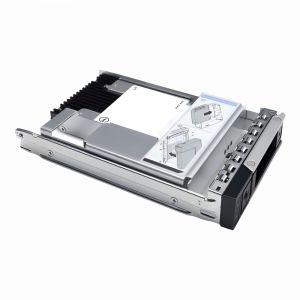
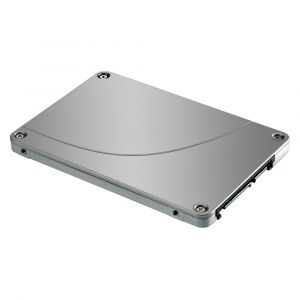
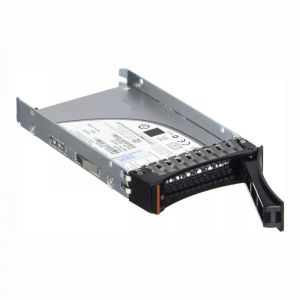
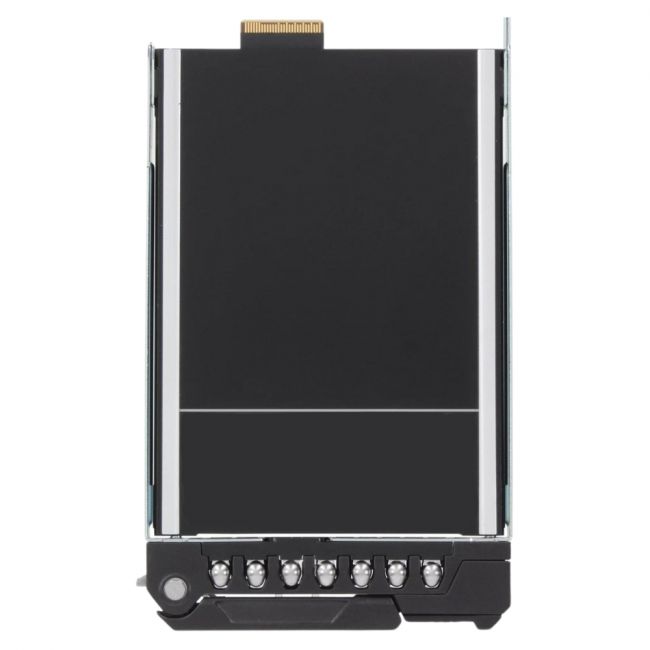
The Dell HK6WK SSD is a 15.36TB read-intensive drive featuring PCIe 5.0 x4 NVMe connectivity in an E3.S 2.5" form factor. It fits enterprise environments that require dense storage capacity combined with a fast interface optimized for workloads dominated by read operations. |
General Information |
|
|---|---|
| Brand | Dell |
Technical Information |
|
|---|---|
| Capacity | 15.36TB |
| Hot Swappable | Yes |
| Hot Pluggable | Yes |
Physical Characteristics |
|
|---|---|
| Weight | 0.60 |
| Condition | Refurbished |
Product Description |
|---|
The Dell HK6WK SSD delivers 15.36TB of storage capacity in a compact E3.S 2.5" form factor. It utilizes a PCIe 5.0 x4 NVMe interface, providing advanced connectivity suitable for modern data center environments. This drive is crafted for read-intensive workloads, making it appropriate for applications where read operations dominate. Typically deployed in enterprise storage systems, the HK6WK supports operations requiring consistent read throughput without compromising on space efficiency. IT professionals and data center operators often use this SSD to optimize storage layers focused on read-heavy access patterns. Key Features
This SSD provides a practical balance of capacity and interface speed geared toward read-centric tasks in enterprise settings. Its design supports efficient storage management in data centers where space and performance must coexist according to workload demands. |
Use Cases |
|---|
The Dell HK6WK SSD is typically used in enterprise data centers and storage arrays where read-intensive workloads are common. Its form factor and interface make it suitable for environments needing substantial storage capacity alongside the latest PCIe connectivity. How It's Used:
This SSD plays a role in enhancing storage layers focused on read operations, helping maintain throughput efficiency and storage density in enterprise systems. It supports workload-specific deployment where read performance and capacity are prioritized. |
FAQ's |
|---|
|
 Shipping Options
 International Delivery
Requires a UPS, FedEx, or DHL account. Customers may arrange pickup from our US warehouse.
 Payment Methods
We accept Visa, Mastercard, AMEX, Discover, and Wire Transfer.
 Purchase Orders
We process purchase orders for government agencies, enterprises, data centers, and SMBs.