

Subscribe To Our Newsletter!
Subscribe to the newsletter to stay up to date with the latest news and most useful
Newsletter
↑
Back to Top



| Product Overview |
|---|
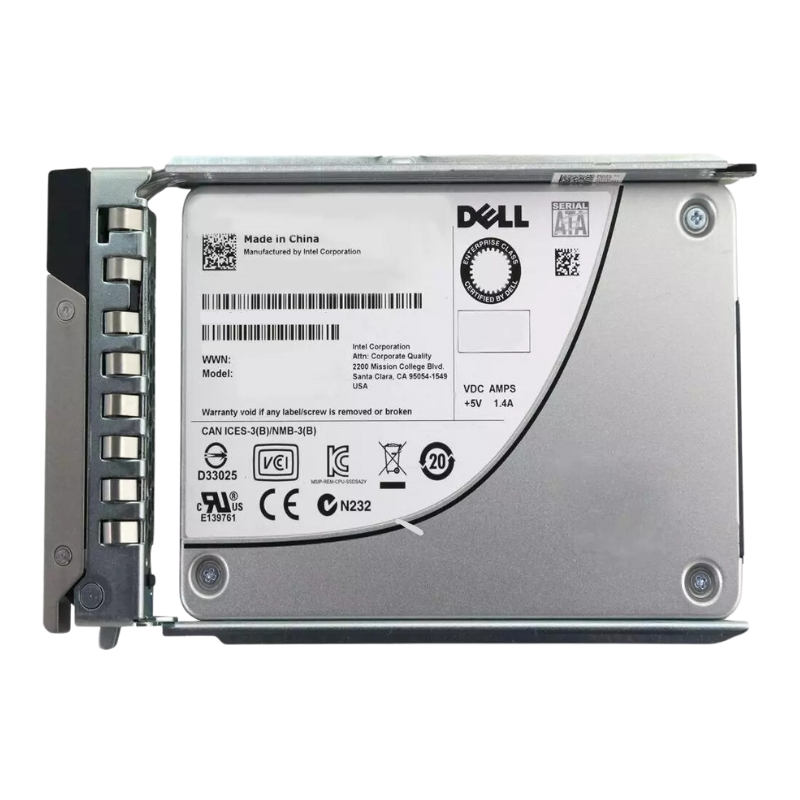
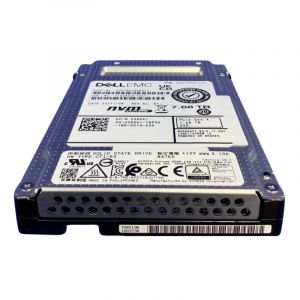
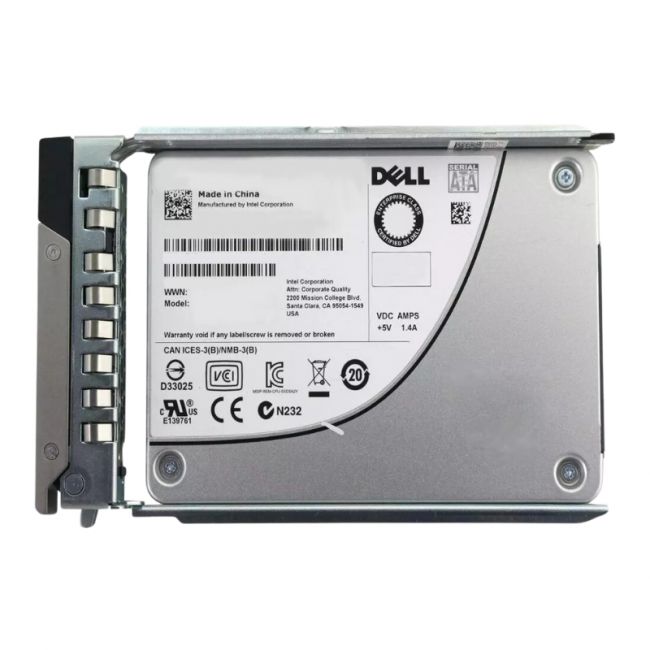
The Dell 3.84TB Data Center NVMe Read Intensive U2 Gen4 SSD (SKU: HK4T3) is a powerful storage solution designed to enhance the performance of enterprise systems. Offering high sequential read speeds of up to 6,500 MB/s, this NVMe SSD is ideal for applications requiring high data throughput and low latency. The U.2 Gen4 interface ensures rapid data transfer, while its 3.84 TB capacity provides ample space for large datasets. Optimized for read-intensive operations, this SSD is perfect for data centers and businesses seeking to improve the speed and efficiency of their storage infrastructure. |
| General Information | |
|---|---|
| Brand | Dell |
| Part Number | HK4T3 |
| Drive Type | NVMe |
| Technical Information | |
|---|---|
| Capacity | 3.84TB |
| Memory Technology | Triple-Level Cell (TLC) |
| Form Factor | 2.5-inch |
| Interface | PCIe Gen 4.0 x4 |
| Physical Characteristics | |
|---|---|
| Dimensions | 0.28 x 2.76 x 3.96 Inches |
| Weight | 0.50 |
| Condition | Refurbished |
| Product Description |
|---|
The Dell 3.84TB Data Center NVMe Read Intensive U2 Gen4 SSD (SKU: HK4T3) is engineered to meet the demands of modern data centers and enterprise environments. With a substantial 3.84TB capacity, this SSD offers exceptional storage for read-intensive applications, providing high sequential read speeds of up to 6,500 MB/s. It utilizes the U.2 Gen4 interface, which supports higher throughput and faster data transfer compared to previous generation interfaces. This drive is designed for workloads that prioritize read operations, making it ideal for high-performance computing, virtualization, and database applications where quick data access is essential. Key Features
This SSD is an optimal choice for businesses looking to improve storage efficiency in data center environments. It delivers the necessary performance and capacity to handle demanding read-intensive workloads while ensuring quick, reliable access to large volumes of data. |
 Shipping Options
 International Delivery
Requires a UPS, FedEx, or DHL account. Customers may arrange pickup from our US warehouse.
International Delivery
Requires a UPS, FedEx, or DHL account. Customers may arrange pickup from our US warehouse.
 Payment Methods
We accept Visa, Mastercard, AMEX, Discover, and Wire Transfer.
Payment Methods
We accept Visa, Mastercard, AMEX, Discover, and Wire Transfer.
 Purchase Orders
We process purchase orders for government agencies, enterprises, data centers, and SMBs.
Purchase Orders
We process purchase orders for government agencies, enterprises, data centers, and SMBs.