

Subscribe To Our Newsletter!
Subscribe to the newsletter to stay up to date with the latest news and most useful
Newsletter
↑
Back to Top



Product Overview |
|---|
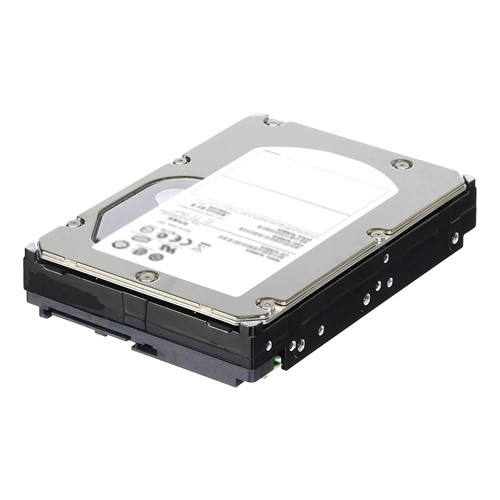
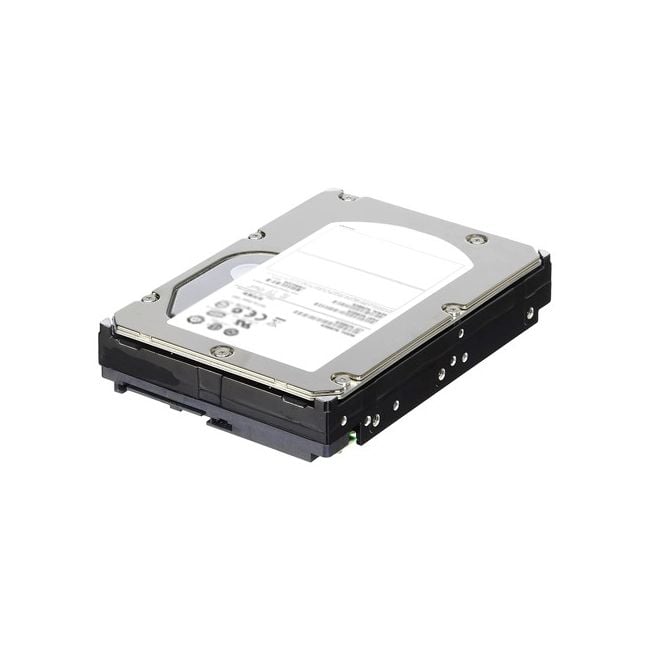
The HDD-T2000-WD2000FYYZ is a 2TB hard drive designed for reliable and efficient data storage in Supermicro systems. It fits standard 3.5-inch bays and uses a SATA 6Gb/s interface to deliver steady performance, making it a solid component for servers and workstations needing consistent data access and capacity. |
General Information |
|
|---|---|
| Brand | Supermicro |
| Part Number | HDD-T2000-WD2000FYYZ |
Technical Information |
|
|---|---|
| Capacity | 2TB |
| Form Factor | 3.5-inch |
| Cache | 64MB |
| Spindle Speed | 7200 RPM |
| Hybrid Drive | No |
Interfaces/Ports |
|
|---|---|
| Interface | SATA 6GB/s |
Physical Characteristics |
|
|---|---|
| Condition | Refurbished |
| Weight | 1.76 |
Product Description |
|---|
This 3.5-inch hard drive is built for servers and workstations requiring dependable storage with ample capacity. It is commonly used in enterprise environments where consistent data access and durability are important. IT professionals and system builders often choose this drive to expand storage or replace existing drives in Supermicro systems. Key Features
You'll typically find this drive in rack-mounted servers or desktop workstations where steady performance and storage density matter. It's a practical choice for managing databases, file storage, or virtualization workloads without frequent downtime concerns. |
Use Cases |
|---|
The HDD-T2000-WD2000FYYZ is predominantly utilized in data-centric environments where consistent access to large volumes of data is essential. IT professionals managing mid-sized to large storage arrays in server racks and workstations find it well-suited for workloads demanding steady throughput and moderate latency. How It's Used:
By delivering reliable performance with its SATA 6Gb/s interface and sizeable cache, this hard drive facilitates operational efficiency in environments where data throughput and storage scalability are critical. Its design accommodates evolving storage needs without compromising system stability. |
 Shipping Options
 International Delivery
Requires a UPS, FedEx, or DHL account. Customers may arrange pickup from our US warehouse.
International Delivery
Requires a UPS, FedEx, or DHL account. Customers may arrange pickup from our US warehouse.
 Payment Methods
We accept Visa, Mastercard, AMEX, Discover, and Wire Transfer.
Payment Methods
We accept Visa, Mastercard, AMEX, Discover, and Wire Transfer.
 Purchase Orders
We process purchase orders for government agencies, enterprises, data centers, and SMBs.
Purchase Orders
We process purchase orders for government agencies, enterprises, data centers, and SMBs.