

Subscribe To Our Newsletter!
Subscribe to the newsletter to stay up to date with the latest news and most useful
Newsletter
↑
Back to Top



Product Overview |
|---|
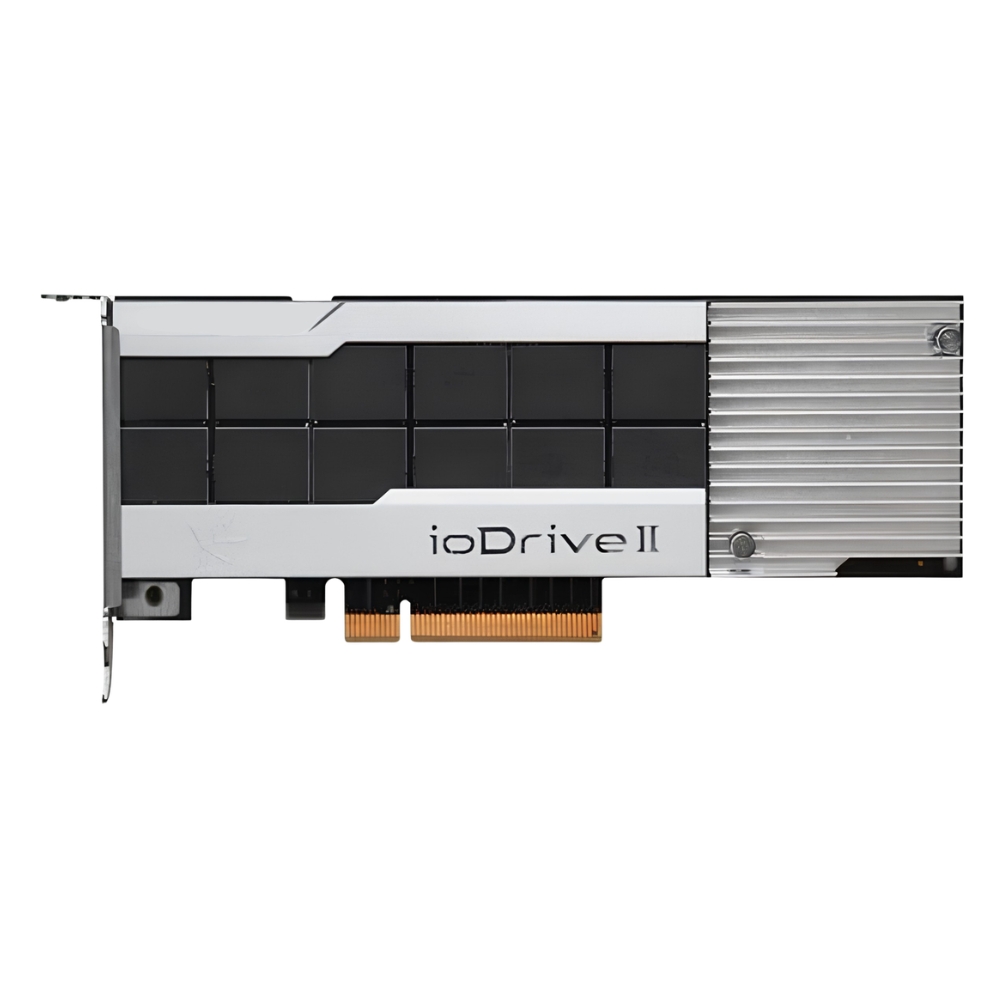
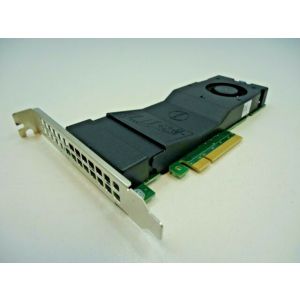
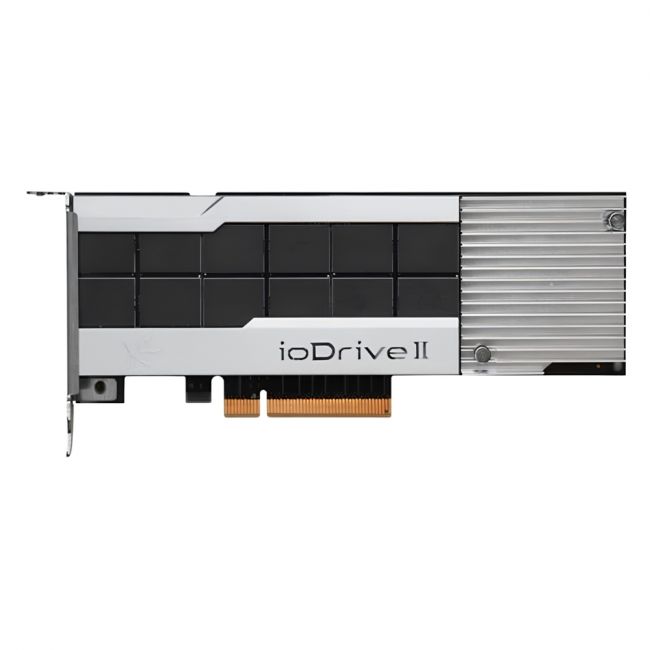
The Dell ioDrive2 785GB PCIe 2.0 Accelerator SSD provides solid-state storage with a capacity of 785GB and utilizes a PCI Express 2.0 interface. Designed specifically for server acceleration, this device fits into PCIe slots and leverages ioDrive2 technology to improve data access speeds within Dell hardware setups. |
General Information |
|
|---|---|
| Brand | Dell |
Technical Information |
|
|---|---|
| Cooling Type | Passive |
| Power Connector | None (slot-powered) |
Miscellaneous |
|
|---|---|
| Assembly Required | No |
| Compliance Standards | WEEE, RoHS, CE, FCC |
Physical Characteristics |
|
|---|---|
| Form Factor | Full-Height Full-Length (FHFL) |
| Weight | 3.00 |
| Condition | Refurbished |
Product Description |
|---|
The Dell ioDrive2 785GB PCIe 2.0 Accelerator SSD is a solid-state storage device designed to enhance data throughput and reduce latency in server environments. Typically deployed in enterprise IT systems, this SSD is used to accelerate workloads requiring fast access to stored data. IT professionals and system architects integrate this product into servers to improve application responsiveness and storage performance where traditional drives may create bottlenecks. Key Features
This SSD serves a critical role in accelerating data-intensive operations, reducing input/output wait times, and enabling better utilization of system resources. Its use can lead to more efficient data processing in environments that demand rapid storage access. |
Use Cases |
|---|
The Dell ioDrive2 785GB PCIe 2.0 Accelerator SSD is typically used in enterprise servers where fast storage access is required for workload acceleration. It benefits data centers and IT environments that handle large data sets or require rapid I/O operations. How It's Used:
In practice, this SSD acts as a high-capacity, low-latency storage layer that supports demanding workloads by reducing storage-related delays. It is integrated within servers to enhance overall data handling efficiency. |
FAQ's |
|---|
|
 Shipping Options
 International Delivery
Requires a UPS, FedEx, or DHL account. Customers may arrange pickup from our US warehouse.
 Payment Methods
We accept Visa, Mastercard, AMEX, Discover, and Wire Transfer.
 Purchase Orders
We process purchase orders for government agencies, enterprises, data centers, and SMBs.